
The $34M Ad Secret: How to Bully Algorithms and Hijack Attention
Creating high-converting video ads requires more than just templates and buzzwords; it demands a psychological understanding of the market. This guide outlines a proven framework for conducting deep research, hijacking user attention through pattern interrupts, and structuring creatives that maintain engagement and drive sales.

Sections
The Foundation: Deep Market Research
Eighty percent of ad performance is determined by the creative strategy, which stems entirely from understanding the prospect. Amateurs often rely on templates and hyperbolic claims, whereas professionals focus on identifying the specific "bruised knee"—the deep-seated pain point—of their dream customer. Before filming or writing, extensive research is required to extract the exact language used by the market.
The Halo Strategy
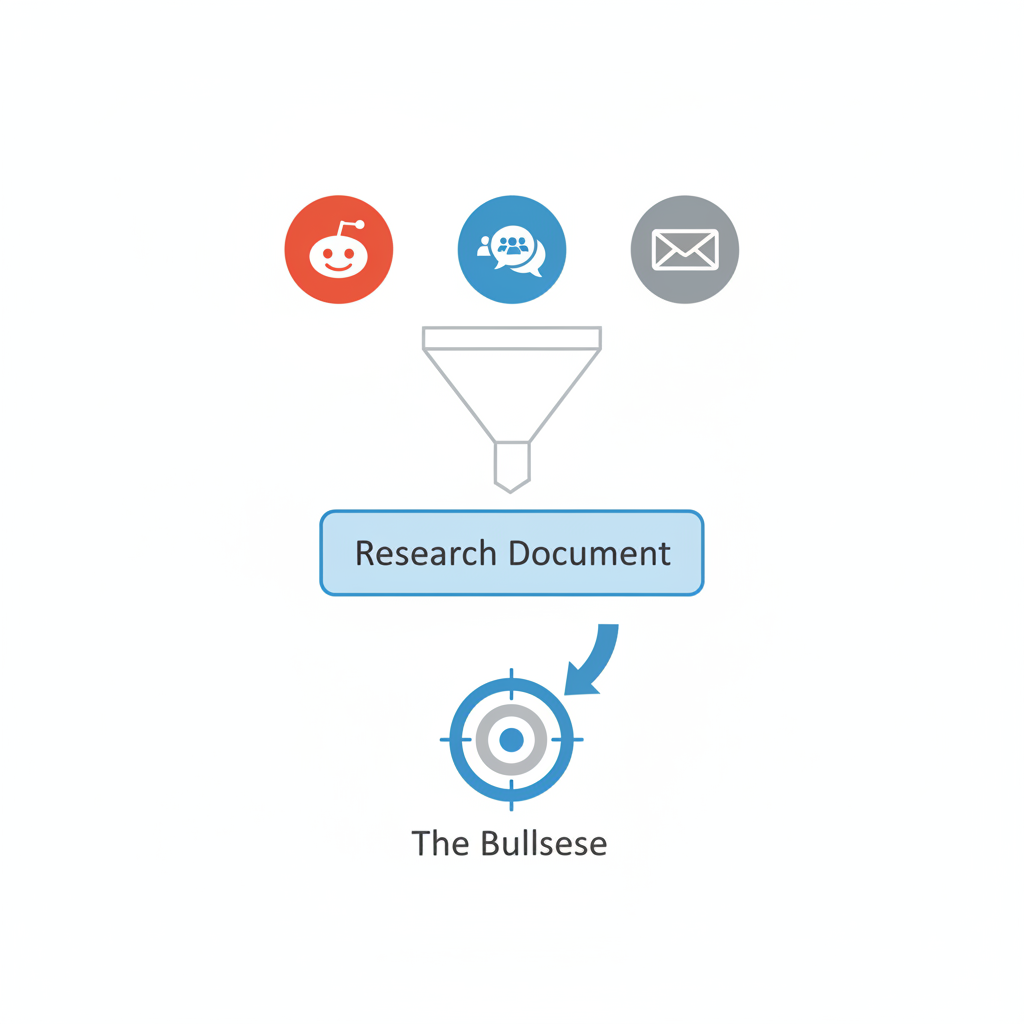
The Halo Strategy involves keeping a constant pulse on market shifts, new technologies, and competitor claims. This ensures ad copy remains relevant and addresses current consumer sentiment. Effective research sources include:
- Reddit & Forums: Look for long, emotionally charged comments. These users have put significant thought into their frustrations. Copy their exact verbiage to mirror their internal monologue.
- Facebook Groups: Monitor groups with large memberships (80k+) to see what solutions are being discussed and what fears are prevalent.
- Search Tools: Use browser extensions that filter Google results to show only forum discussions to find candid feedback.
- Customer Support Data: Export customer service emails and analyze them (using AI tools) to identify the top five recurring pains and benefits.
Finding the "Bullseye"
While research will uncover many symptoms, the goal is to boil these down to one singular problem—the "Bullseye." All messaging should wrap around this single core issue to maximize impact.
Hijacking Attention in a Chaotic Feed
The internet news feed is a "chaotic blizzard" of information. To compete, ads must stop the scroll immediately. This is achieved through two psychological mechanisms: Pattern Matching and Pattern Interrupts.
Mechanism 1: Pattern Matching
Pattern matching leverages visual cues that the audience is already exposed to daily. This signals immediate relevance.
- Example: Showing a Shopify dashboard to e-commerce store owners or an Ads Manager interface to media buyers.
- Function: It triggers an identity-based response: "This is relevant to my work/life, I should pay attention."
Mechanism 2: Pattern Interrupts
Once relevance is established—or sometimes to establish it—a pattern interrupt breaks the norm. This involves doing the absolute opposite of what is expected in a standard ad environment.
- Visual Interrupts: unexpected costumes, out-of-place props (e.g., holding a farm animal in an office), or high-contrast sets.
- Auditory Interrupts: Sudden changes in sound design or unexpected dialogue lines.
Crucial Rule: A pattern interrupt cannot happen only once. Because viewers enter a "zombie state" quickly after the hook, interrupts must be deployed multiple times throughout the ad to re-engage attention.
Structuring for Longevity: The Multi-Hook Approach
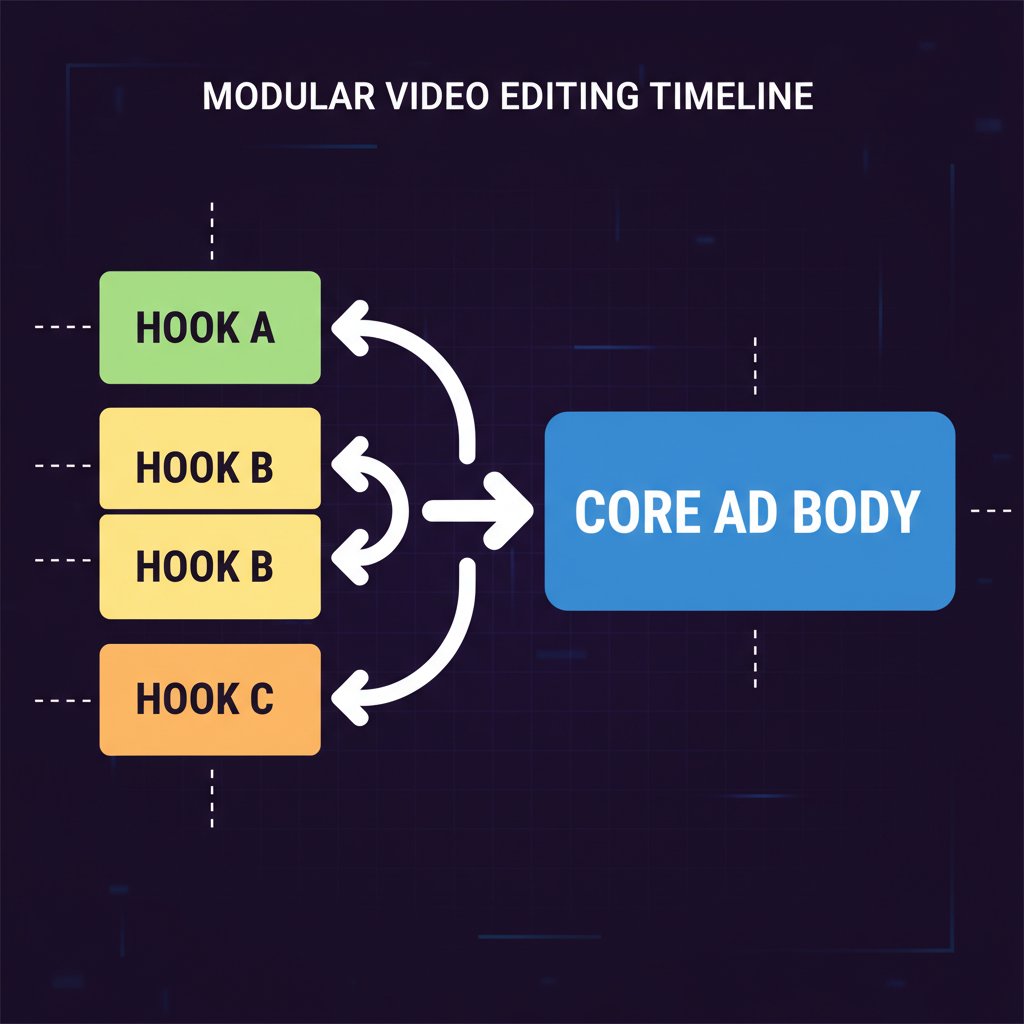
Even the strongest ad creative will fatigue quickly if it relies on a single hook. To ensure campaign longevity (running for months or years), production should focus on variety.
- Production Efficiency: During a shoot, film 10 to 12 different hooks for the same core body content.
- Rotation Strategy: Launch with one or two hooks. As performance dips (ad fatigue), swap in the next hook without needing to re-shoot the entire commercial.
- Outcome: This extends the lifespan of the winning core message by constantly refreshing the entry point for the user.
Selling Against Alternatives
Most leads are not first-time buyers; they have likely tried other solutions and failed. Ignoring this reality creates skepticism. To convert the 97% of the market that isn't ready to buy immediately, ads must "name and frame" the alternatives.
Acknowledge previous failures directly (e.g., "You tried X and it resulted in Y"). By validating their past negative experiences, you build trust and differentiate the new offer as the logical next step rather than just "more of the same."
Building Strategic Swipe Files
To sustain creativity, maintain two distinct research repositories:
- Competitor Swipe File: A collection of ads, claims, and landing pages from direct competitors. Use this to understand the "noise" the prospect is hearing.
- Attention Swipe File: A collection of any content (ads, organic posts, videos) that successfully hijacked your own attention. Screenshot or save anything that stops your scroll, regardless of the niche. Analyze these to discover new visual patterns and interrupt techniques.
Related Tools
Frequently Asked Questions
What is the 'Halo Strategy' in ad research?
The Halo Strategy involves continuously monitoring market conversations, competitor claims, and forum discussions to understand shifting customer sentiments. It ensures ad copy uses the exact language and addresses the current pain points of the target audience.
Why should I sell against alternatives?
Most prospects have already tried solving their problem with other products and failed. By acknowledging these past failures ('Name it and frame it'), you validate their skepticism and differentiate your solution from previous attempts.
How many hooks should I film for one ad?
It is recommended to film 10 to 12 different hooks for a single ad body. This allows you to rotate the opening seconds of the video when ad fatigue sets in, significantly extending the lifespan of the campaign without full reshoots.
What is the difference between a pattern match and a pattern interrupt?
A pattern match uses familiar visuals (like a specific software interface) to signal relevance to a specific audience. A pattern interrupt uses unexpected or bizarre visuals to shock the viewer out of their scrolling habit. Effective ads often combine both.
Key Terms
- Pattern Interrupt
- A technique used to break a person's habitual behavior or thought process (like scrolling) using something unexpected or shocking.
- Bullseye
- The single root cause or core problem that connects all the various symptoms a customer is experiencing.
- Swipe File
- A collection of tested advertising examples, headlines, and visuals kept for inspiration and reference.
- Hook
- The first 3-5 seconds of a video ad designed exclusively to grab attention and stop the viewer from scrolling.