
Algorithmic Ad Targeting: How Creative Assets Define Audiences in Modern Campaigns
Modern advertising algorithms have shifted from manual demographic inputs to content-based targeting, where the ad creative itself dictates audience delivery.
Sections
Advertising platforms have undergone a significant architectural shift, moving away from granular manual targeting toward algorithmic interpretation of creative assets. Updates to delivery systems—often referred to within the industry by codenames such as "Andromeda"—now prioritize the content of an advertisement as the primary signal for finding potential customers. This evolution requires marketers to rethink how scripts, visual hooks, and campaign settings are structured.

The Shift to Content-Based Targeting
Historically, advertisers relied on manual inputs to define their audience. This involved selecting specific age ranges, genders, interests, and device behaviors within the ad platform's dashboard. While effective in the past, this method often restricted the algorithm's ability to find high-intent buyers outside of rigid parameters.
Current ad systems utilize advanced artificial intelligence to analyze the actual media file. The algorithm scans visual elements, transcribes spoken audio, and interprets on-screen text to build a profile of the ideal viewer. If an advertisement explicitly calls out a specific demographic or problem, the platform leverages historical user data to deliver that ad to relevant users, regardless of manual targeting settings.
Aligning Creative Hooks with Algorithmic Delivery
Under this new paradigm, the "hook"—the first three seconds of a video ad—serves a dual purpose. It captures viewer attention and simultaneously instructs the algorithm on who should see the content.
Direct Audience Call-Outs
To maximize relevance, scripts must explicitly identify the target demographic or the specific pain point immediately. Generic user-generated content (UGC) that begins with broad statements like "I love this product" provides weak signals to the delivery system.
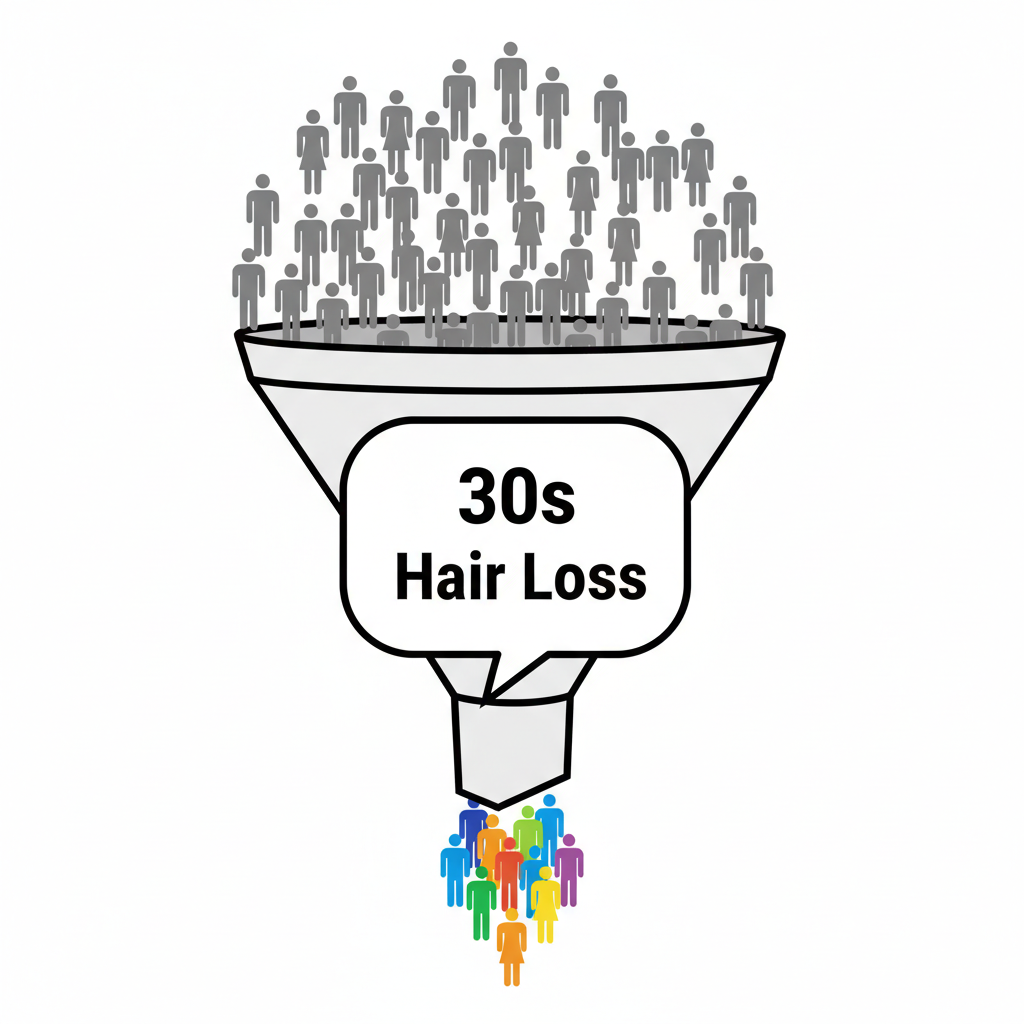
Instead, effective creatives now utilize specific qualifiers. For example, a script stating, "Are you a man in your 30s experiencing hair loss?" provides the AI with clear semantic data. The system matches this audio and text input against its user database to find men in that age bracket with a history of interacting with hair loss content. This technique, often called "soft targeting," allows the creative to filter the audience more effectively than manual interest groups.
Simplified Campaign Architecture
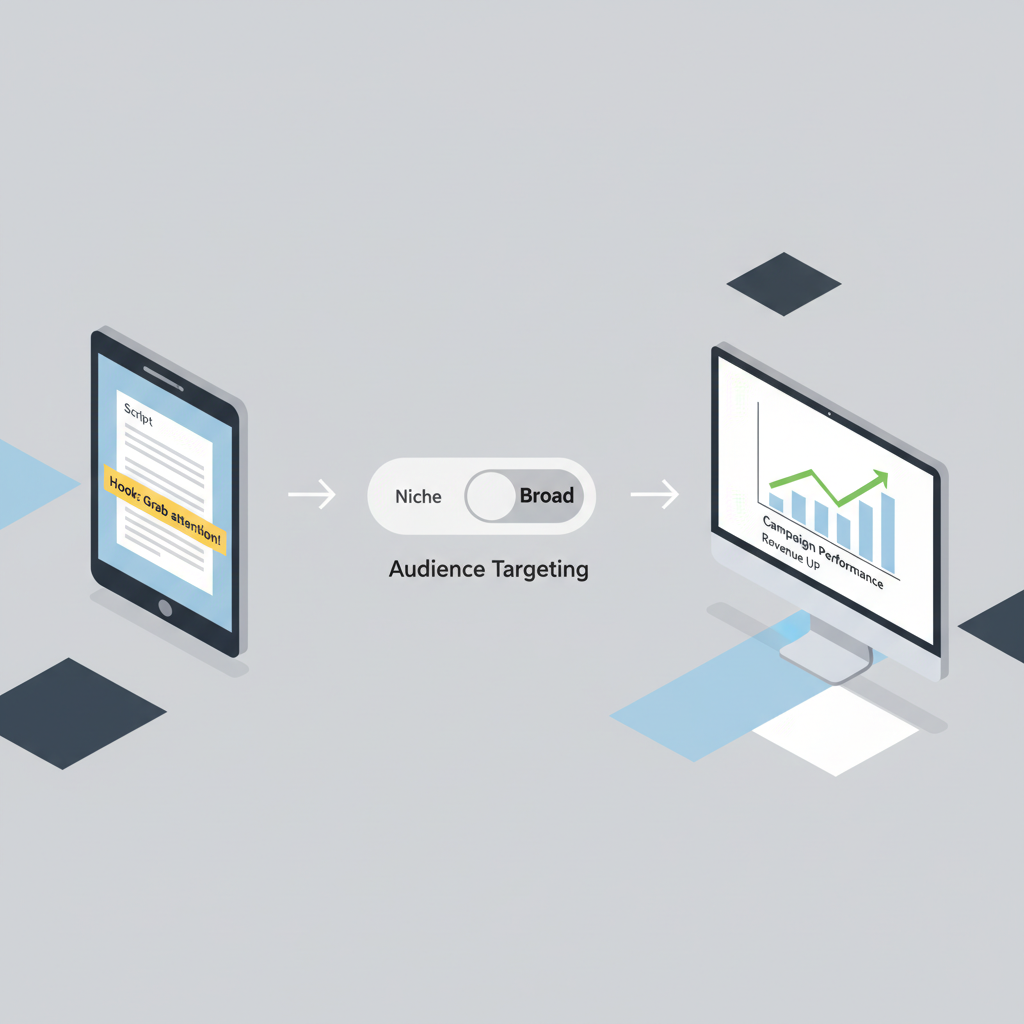
With the creative acting as the primary targeting mechanism, complex campaign structures have become redundant and potentially harmful to performance. Strategies relying on multiple interest stacks, narrow demographic filters, or fragmented ad sets often constrain the algorithm's learning phase.
Modern best practices suggest a minimalist approach to internal targeting settings:
- Broad Geography: Limiting targeting to the primary country (e.g., USA) without state or city restrictions.
- Broad Demographics: Removing interest tags and utilizing wide age ranges (e.g., 18–55+), allowing the content to naturally select the demographic.
- Platform Autonomy: allowing the delivery system to determine placement across networks (e.g., Feeds, Reels, Stories) based on performance probability.
Practical Workflow: Designing for Algorithmic Targeting
Implementing a creative-first targeting strategy involves a structured workflow that prioritizes scriptwriting over dashboard configuration.
- Step 1: Define the Ideal Customer Profile (ICP): clearly identify the specific demographic and the exact problem they are facing before scripting.
- Step 2: Script the Qualifier Hook: Write an opening line that verbally and textually names the audience or the pain point within the first three seconds.
- Step 3: Configure Broad Ad Sets: Set up campaigns with minimal constraints, typically restricting only the country and upper age limits if necessary (e.g., capping at 55).
- Step 4: Analyze Creative Retention: Monitor metrics to see if the algorithm is correctly identifying the audience; high engagement from the wrong demographic indicates a vague hook.
Common Mistakes
Relying on Legacy Manual Targeting
Over-layering interests and behaviors restricts the algorithm's pool of data, preventing it from optimizing based on the creative signals.
Using Generic Openers
Hooks that lack specificity (e.g., "You need to try this") force the algorithm to guess the audience, leading to inefficient spend during the learning phase.
Ignoring Audio Signals
Failing to speak the audience's pain points aloud deprives the platform's speech-to-text engine of critical targeting keywords.
Premature Granular Testing
Attempting to isolate variables by breaking audiences into small segments contradicts the volume of data required for modern AI modeling to function effectively.
Disconnecting Creative from Strategy
Treating ad creative and media buying as separate disciplines fails; the media buyer's targeting strategy is now executed by the creative director's script.
Understanding how competitors phrase their hooks and structure their audience call-outs is essential for adapting to these algorithmic changes. Platforms like AdLibrary help researchers analyze successful ad formats and script structures across different industries, providing the data needed to formulate stronger hypotheses for creative testing.
How to Optimize Creative for Algorithmic Targeting
Since the algorithm analyzes your creative to find audiences, structure your ads to signal clearly:
- Lead with the hook: First 3 seconds should immediately signal who the ad is for.
- Use explicit language: Name the problem, audience, or outcome directly.
- Watch for creative fatigue: When CTR drops, the algorithm has exhausted its best matches.
Key Metrics to Monitor
- CTR — Is the creative resonating?
- CPM — How competitive is the auction?
- ROAS — Is the algorithmic targeting profitable?