
Evaluating AI Tools for Ad Creative Generation and Rapid Testing
Marketers leverage AI tools to accelerate the production of ad visuals and copy across various digital platforms. Understanding the workflow and constraints of these automated systems is essential for effective campaign testing and iteration.

Sections
The rise of automated creative platforms offers advertisers a path to high-volume ad generation without reliance on extensive design resources. These systems are specifically engineered to simplify the complex steps of ad production, from initial concept to final export, supporting rapid testing cycles necessary for performance marketing.
While AI speeds up the mechanical aspects of ad creation, optimizing performance still requires strong strategic input regarding messaging hooks and visual elements. The value of these tools is maximized when marketers provide clear directional guidance rather than expecting fully automated campaign success.
The Role of AI in Scaling Ad Creative Production
Modern ad campaigns require constant iteration and testing of diverse creative variants across numerous platforms. AI generation tools address the logistical challenge of maintaining this creative velocity by handling repetitive design tasks and layout adjustments.
The typical process involves setting up a brand identity once, defining the campaign objective, and then letting the system produce numerous ready-to-use assets. This speed allows media buyers to move quickly from creative hypothesis to A/B testing, minimizing the time spent waiting for internal or external design teams.
Core Capabilities of AI Creative Platforms
Effective ad intelligence relies on identifying patterns in high-performing creatives. AI generation tools integrate several key features designed to streamline the production pipeline and maintain consistency, which facilitates better comparative analysis.
Brand Profile Consistency
A crucial feature is the ability to establish and save a detailed brand profile, including the logo, primary color palettes, and defined tone of voice. Once configured, the AI applies these assets consistently across all generated creatives, ensuring visual coherence for multi-platform campaigns.
Multi-Format Resizing and Export
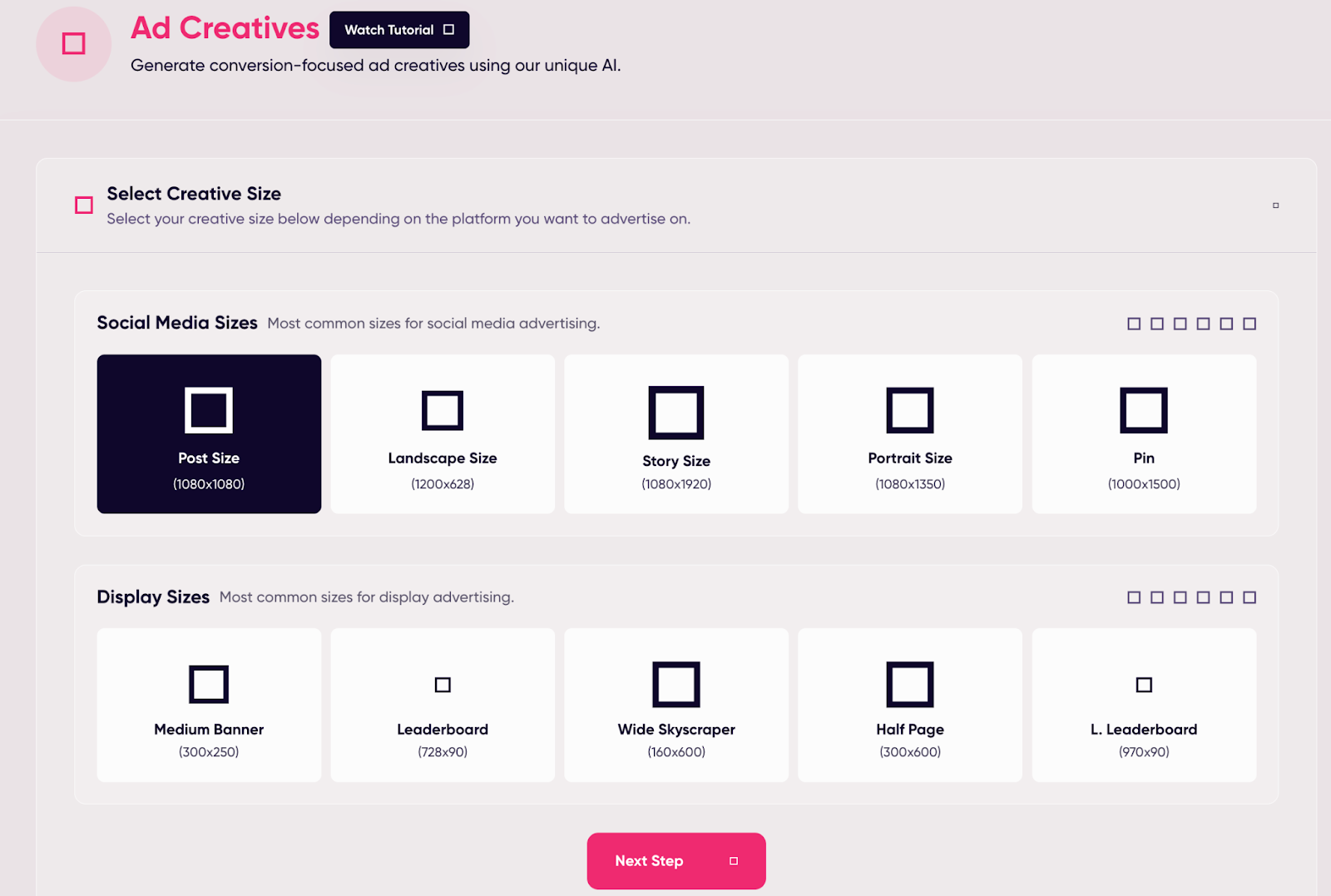
Manually adapting visuals for various placements, such as feed, story, or landscape, is time-consuming. AI platforms specialize in automatic creative resizing, exporting the same core design in multiple standard dimensions required by networks like Instagram, Facebook, and Google Display.
This automated layout management ensures that the design integrity of the creative holds up across different aspect ratios without the marketer needing to intervene with manual cropping or repositioning.
Conversion Scoring Mechanisms
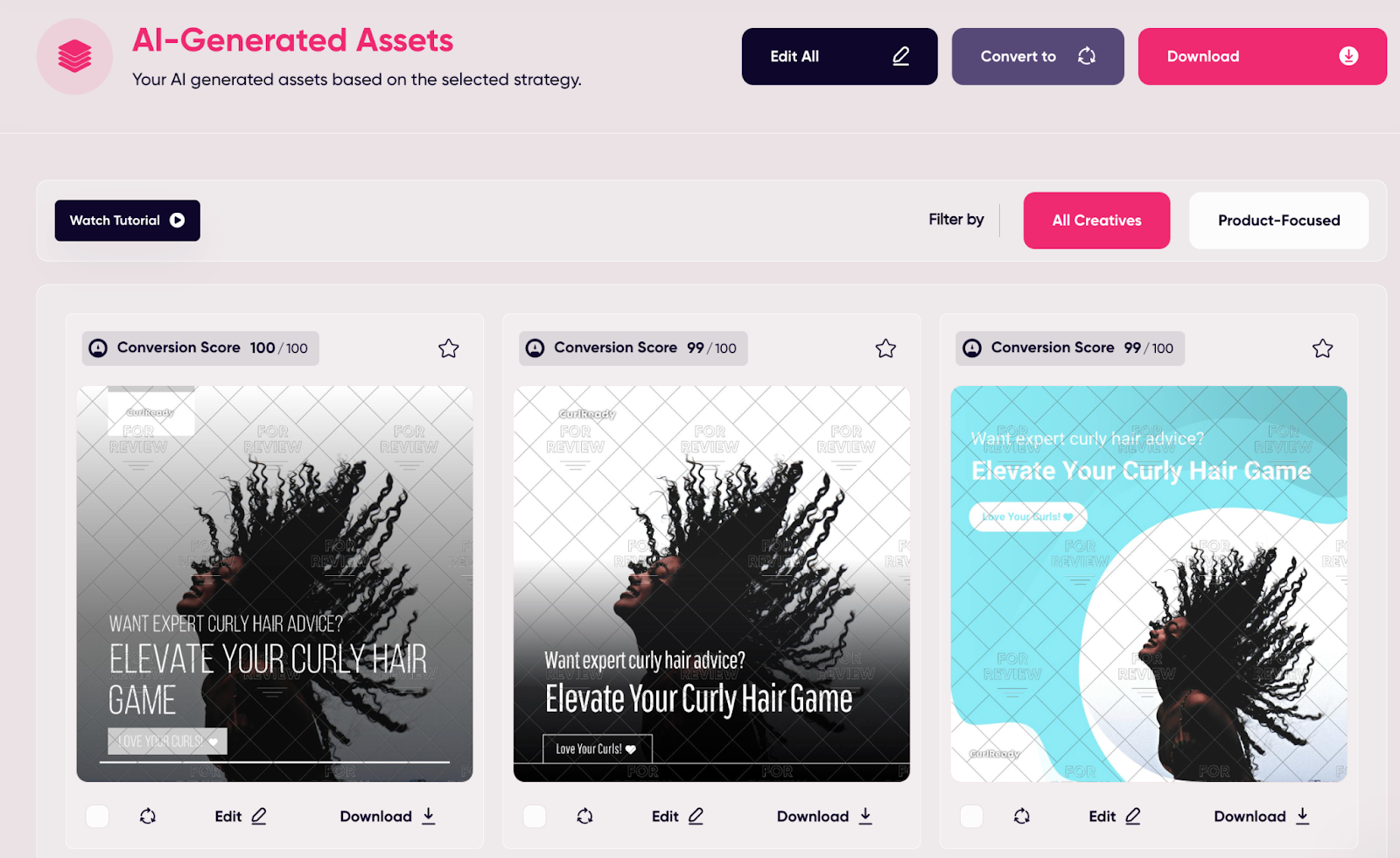
Many AI generation tools include a prediction metric, often called a "conversion score." This score is assigned to each generated ad variant to estimate its potential performance based on underlying algorithmic analysis of visual and textual elements.
While these scores require validation through actual live testing, they help focus the selection process, directing marketers toward variants that are algorithmically predicted to resonate strongly with the target audience.
Integrated Copy Generation
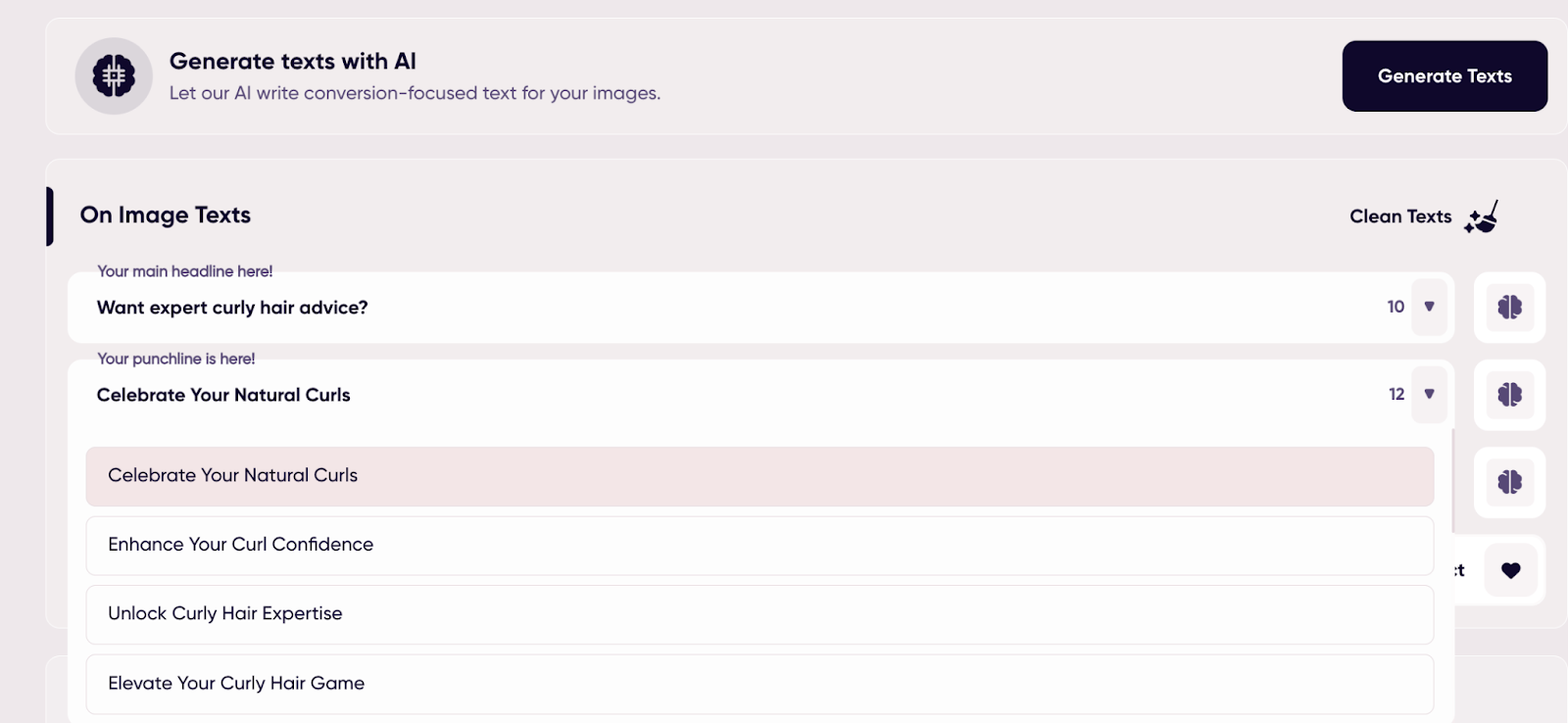
Beyond visuals, integrated text generators assist in writing marketing copy elements such as headlines, calls to action (CTAs), and full descriptions. Marketers can guide the output by selecting a specific tone, framework, or theme.
This feature significantly reduces friction in the initial drafting phase, providing several usable copy options instantly that can be refined by the marketer before deployment.
Platform Coverage and Format Flexibility
A multi-channel creative strategy demands tools that seamlessly integrate output across various digital advertising ecosystems. AI generation platforms typically offer pre-set formats tailored for major network requirements.
- Facebook (feed, carousel, story)
- Instagram (square, story, reel)
- LinkedIn (single image, sponsored content)
- Google Display Network (GDN)
- X (formerly Twitter)
This comprehensive coverage allows marketers to focus on the content of the message, knowing that the structural dimensions and export parameters are handled automatically for the required placement.
Practical Workflow for Rapid Creative Iteration
Generating and deploying high volumes of creative variants requires a structured approach. This workflow details the standard sequence for utilizing AI tools to develop scalable ad creatives.
- Step 1: Define Project Scope: Start by naming the project and selecting the desired asset type (e.g., image ad, video, batch set) and target ad dimensions.
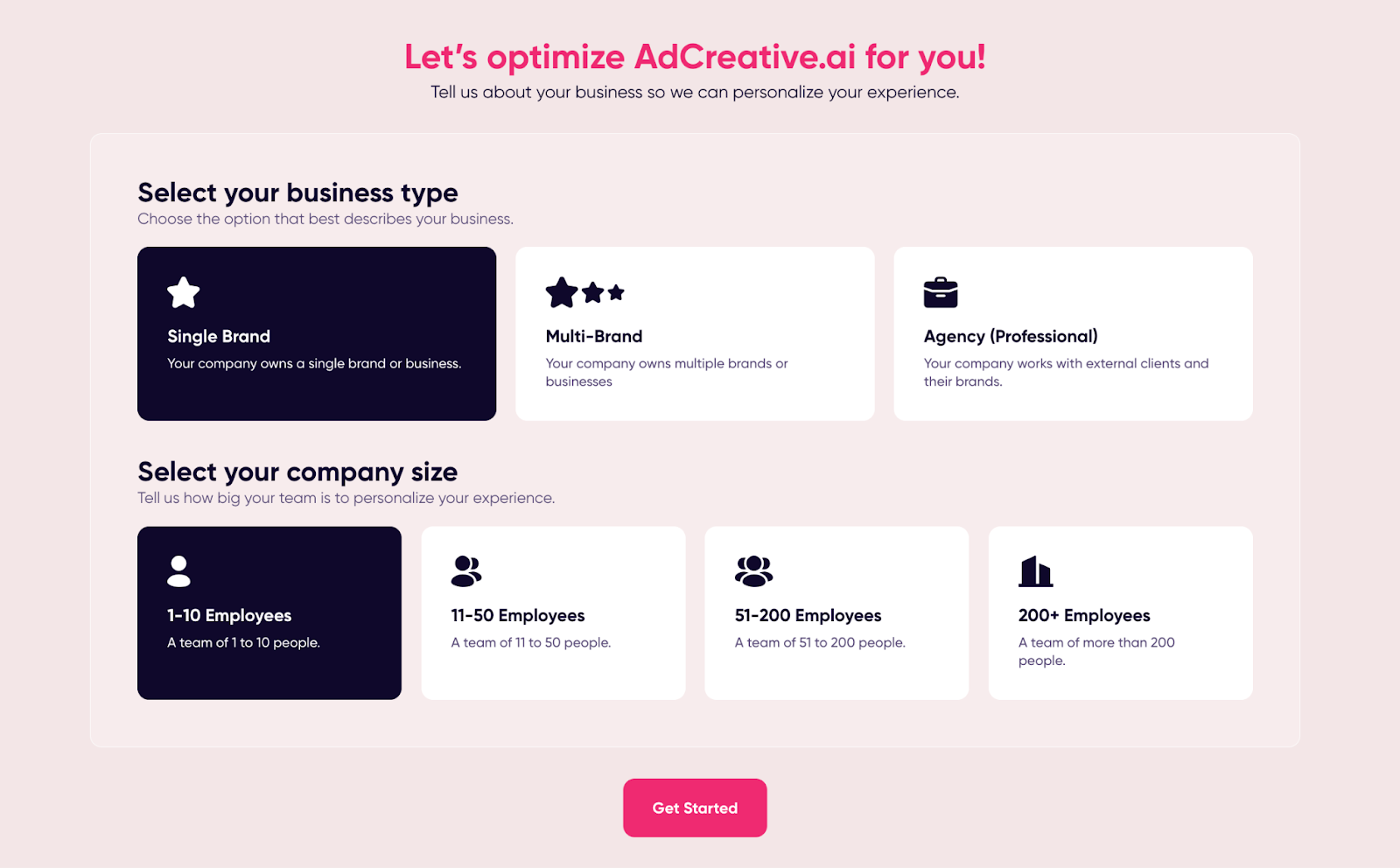
- Step 2: Input Brand Details: Configure or select an existing brand profile, ensuring the logo, color scheme, company name, and product description are accurately reflected in the system.
- Step 3: Define Creative Angles: Supply initial inputs, such as core headlines, target audience details, and a website URL, which serve as the foundation for the AI generation.
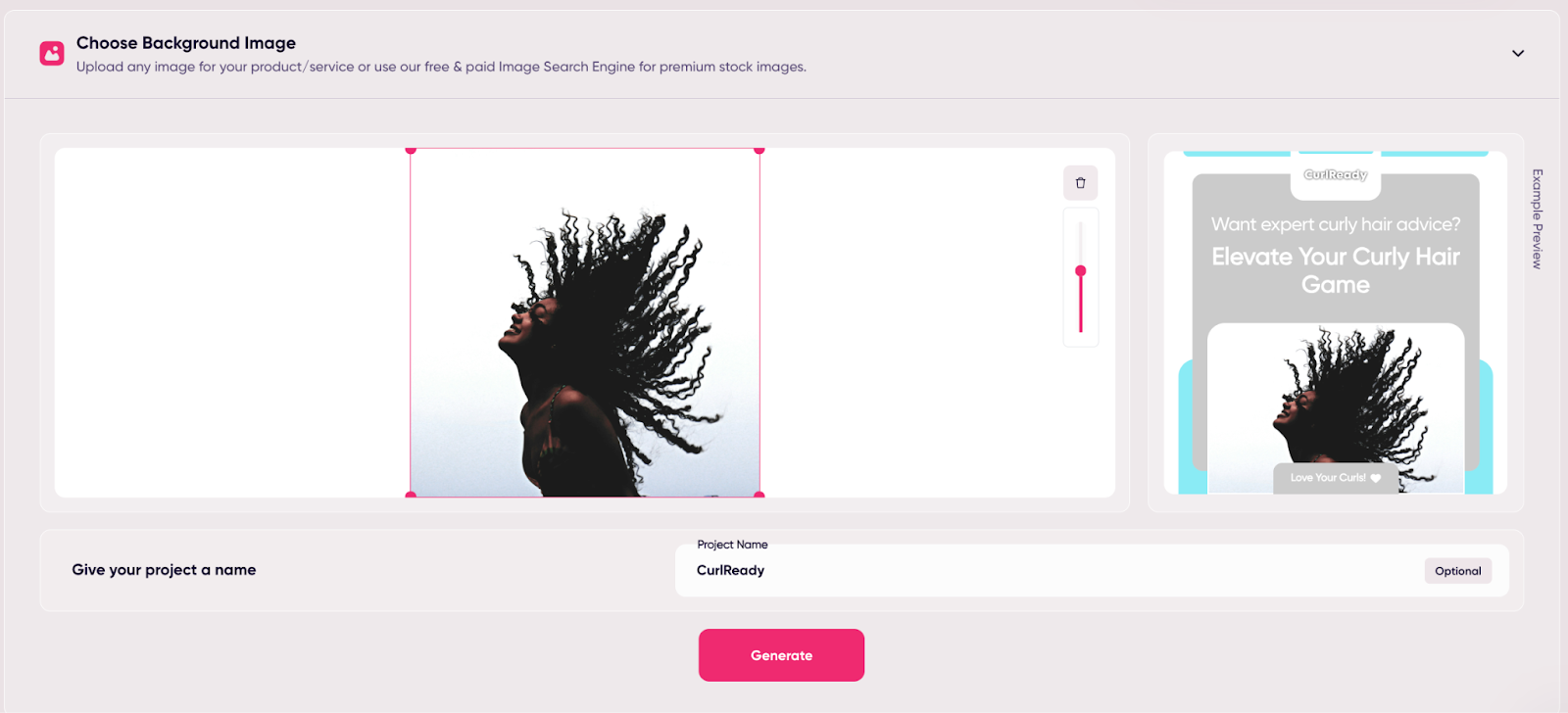
- Step 4: Select Visual Assets: Choose primary images, either by uploading proprietary product shots or selecting relevant visuals from the tool’s built-in stock image library.
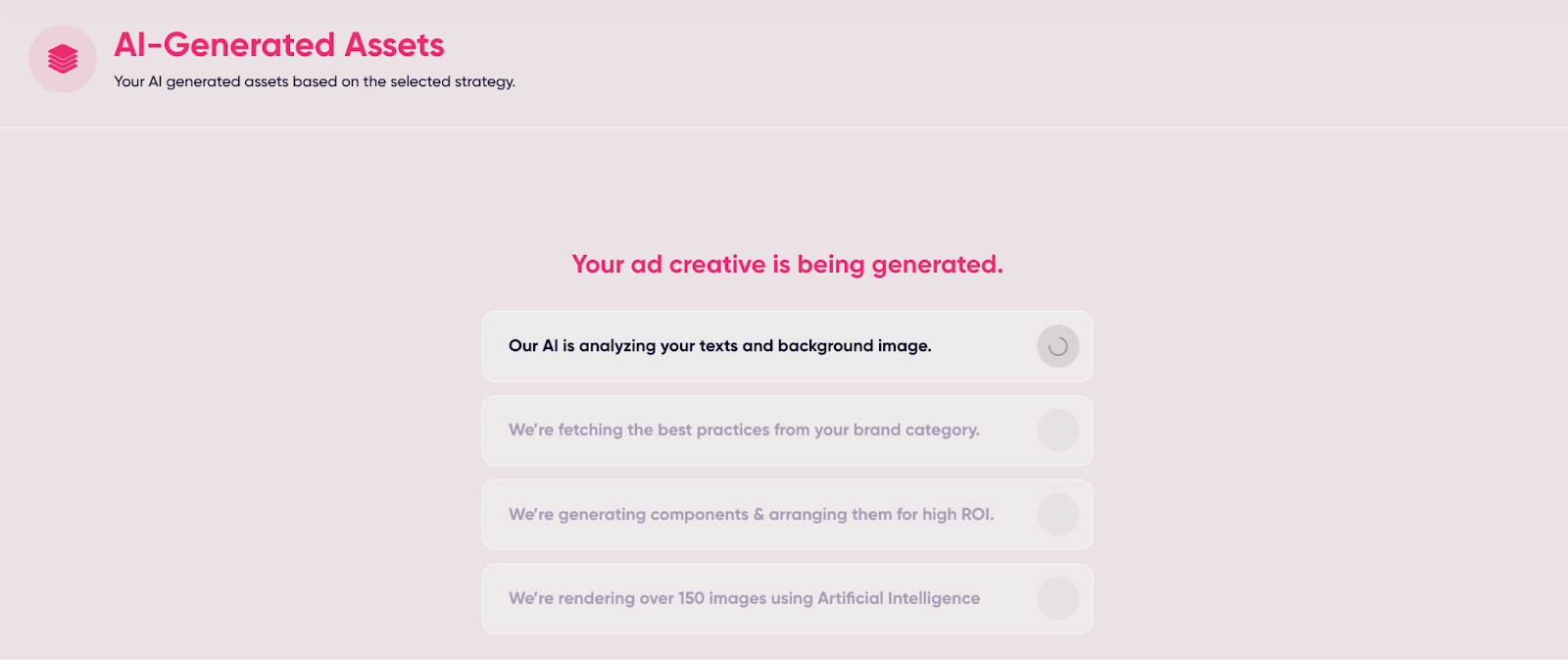
- Step 5: Generate Variations: Initiate the generation pipeline, allowing the system to combine text, visuals, and brand styling to render multiple potential ad variants.
- Step 6: Review and Score Analysis: Analyze the generated results, prioritizing creatives based on the provided predicted performance scores, then manually editing the most promising options.
- Step 7: Multi-Platform Export: Download the final, selected creatives, automatically formatted for all required placement dimensions across various connected advertising platforms.
Decision Criteria: When to Adopt AI Creative Tools
Determining if an AI creative platform is suitable for your marketing team depends on balancing the need for speed against requirements for creative control and team integration.
Recommended Adoption If:
- There is an immediate requirement for rapid production of numerous ad creatives and variants.
- Internal design resources are limited, and the goal is to handle both visual and copy needs through a simplified interface.
- The primary focus is on fast A/B testing and experimentation across diverse visual concepts.
- A guided onboarding experience is necessary for team members who are new to ad design workflows.
Adoption Should Be Reconsidered If:
- High-level creative control over specific layouts, typography, and complex visual elements is a strict priority.
- The workflow relies heavily on real-time team collaboration, iterative editing, and structured creative review within the platform.
- Expectations involve generating high-performing ads from minimal or generic textual inputs.
Common Pitfalls in AI-Assisted Ad Creation
While AI streamlines the workflow, strategic mistakes can undermine creative performance. Marketers must maintain strategic oversight when using automated generation tools.
- Failure Pattern: Accepting generic outputs derived from weak or unspecific prompts. Corrective Principle: Invest manual effort into crafting compelling, specific headlines and selecting impactful images before hitting the generate button.
- Failure Pattern: Relying solely on the automated performance or conversion score for creative selection. Corrective Principle: Use the score as a filter, but validate the top variants through live campaign testing to confirm audience reaction.
- Failure Pattern: Treating the AI tool as fully hands-off automation capable of managing complex strategy. Corrective Principle: Recognize that the tool generates first drafts rapidly, but requires human direction and review to achieve truly polished, high-concept results.
- Failure Pattern: Assuming platform capabilities include advanced features like dynamic video editing or multi-step ad sequences. Corrective Principle: Understand the current limitations of the system, which typically focuses on generating static images and basic video ads across standard formats.
- Failure Pattern: Neglecting to establish a comprehensive brand profile before generation begins. Corrective Principle: Ensure the brand logo, colors, and tone are correctly set up initially to maintain consistency and avoid off-brand outputs.
Pricing Structures for Creative Generation Tools
The cost model for AI creative tools is typically structured around usage limits, specifically the volume of finalized creative assets downloaded per month. Scaling requirements directly influence the required subscription tier.
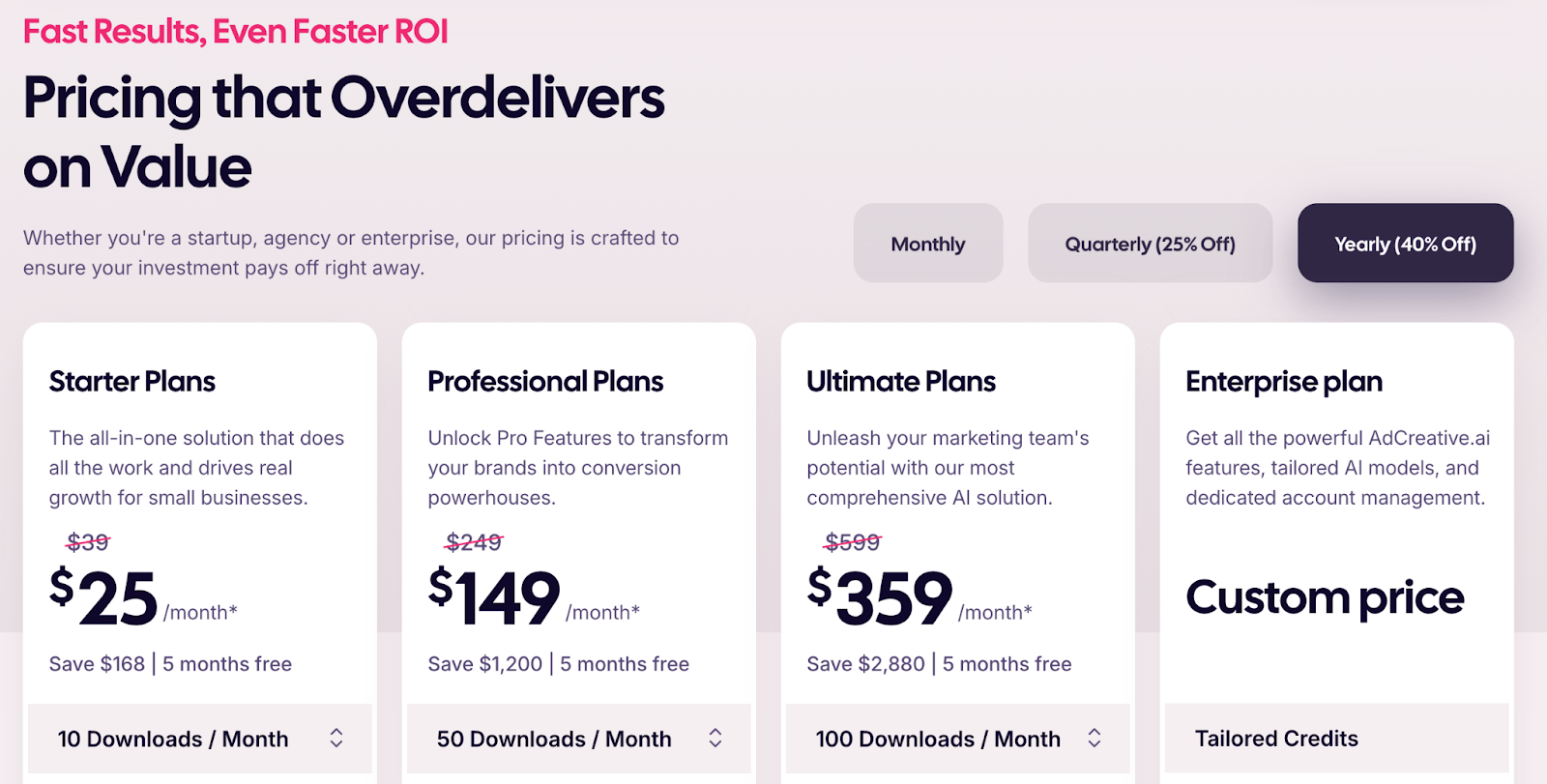
Entry-level plans usually cover basic access and a limited number of monthly downloads, suitable for solo users or micro-brands focused on minimal variant testing. For example, a Starter Plan may offer 10 monthly downloads.
Mid-tier plans provide significant increases in downloads and often support multiple brand profiles, making them suitable for small teams needing substantial iteration capacity, such as 50 downloads and support for three separate brands.
High-volume plans, such as Ultimate, cater to larger in-house teams or agencies by increasing download limits to 100 per month and allowing access for multiple users (e.g., up to 10). These tiers often unlock features like batch creative generation.
Enterprise options are available for organizations requiring custom solutions, which may include specialized features like private AI models, asset management capabilities, and dedicated onboarding support.
Frequently Asked Questions about Automated Ad Systems
How does AI creative generation compare to utilizing a human designer or agency?
For immediate volume output and producing a large number of ad variants quickly, AI tools offer speed and cost efficiency over human resources. However, for campaigns requiring highly customized, conceptual, or complex visual strategy, a human designer or agency typically retains the creative edge.
Is it possible to achieve full ad creation automation using these tools?
While bulk generation features exist, achieving full automation is not currently feasible. The system still requires critical inputs—such as the headline, target audience, brand visuals, and overall direction—from the marketer. Post-generation review and manual adjustment remain necessary before publishing.
What types of ad formats are supported by these creative generators?
These systems are built to generate image and video ad formats across key platforms like Facebook, Instagram, LinkedIn, and Google. Marketers can customize outputs for various aspect ratios and placements, though support for complex sequences or highly dynamic video editing may be absent.
Do these platforms offer robust team workflow capabilities?
Some subscription tiers allow for user access sharing within specific brand workspaces to streamline asynchronous processes and asset storage. However, full support for real-time collaborative editing, review flows, or complex approval pipelines is often limited.