
Strategic Pillars for Digital Marketing in 2026: Search, AI, and Brand
As the digital landscape evolves toward 2026, marketing effectiveness relies on mastering three critical pillars: the modernization of traditional search, the rise of AI-driven discovery, and the unification of brand experience.
Sections
The trajectory of digital marketing leading into 2026 indicates a shift toward three foundational pillars: Traditional Search, AI Search, and Brand Experience. Success in this evolving environment requires moving beyond isolated tactics to build integrated systems that satisfy both algorithmic requirements and human purchase intent.

Modernizing Traditional Search Strategies
While generative AI creates new avenues for discovery, traditional search engines remain a dominant source of traffic and commercial intent. However, the methods for capturing this traffic are shifting from keyword-centric approaches to holistic content ecosystems.
Topic-First SEO
Search engines increasingly reward content systems organized around broad topics rather than isolated keywords. A topic-first strategy involves creating interconnected content that covers a subject from multiple angles, preventing content gaps and reducing cannibalization between similar pages.
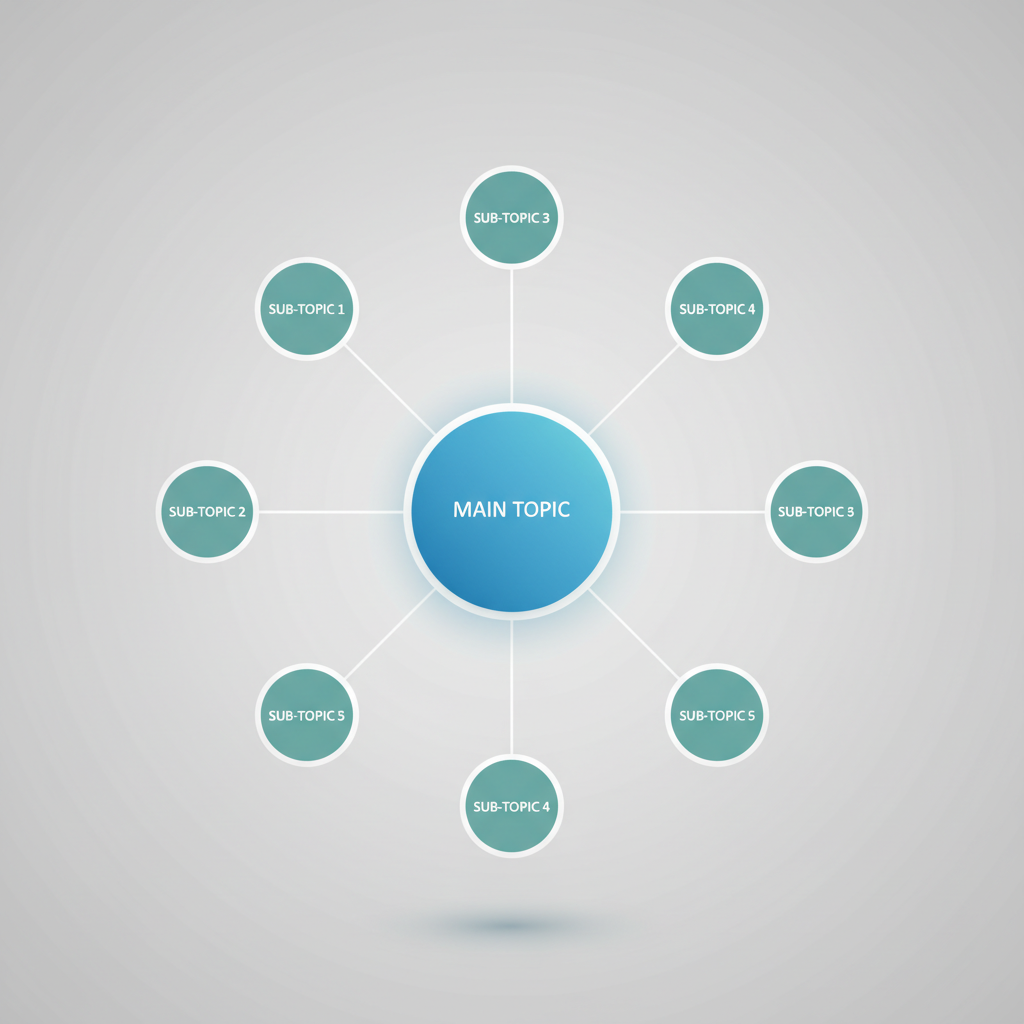
Effective implementation maps content to specific stages of the buyer funnel:
- Top of Funnel: Comprehensive guides addressing general interests (e.g., broad lawn care advice) to introduce the brand.
- Middle of Funnel: Specific problem-solving content (e.g., weed removal techniques) that begins to recommend solutions.
- Bottom of Funnel: Detailed comparisons and product-specific guides (e.g., best herbicides for specific grass types) targeting high-intent users ready to purchase.
Search to Conversion Optimization
Generating traffic is insufficient if it does not translate into revenue. Search to Conversion Optimization focuses on maximizing the commercial value of organic traffic. This involves restructuring blogs and resource centers from brand-led publishing to user-centric topic hubs.
Tactics to improve conversion within informational content include:
- Embedding relevant products directly into articles with "Add to Cart" functionality.
- Linking strategically to product pages when discussing solutions.
- Providing regimen builders or selection guides to help users navigate complex product lines.
Optimizing for AI Search
As AI-powered search engines and Large Language Model (LLM) interfaces gain market share, brands must optimize for visibility within these new platforms. Unlike traditional SEO, which focuses on ranking a website, AI Search Optimization focuses on being cited and recommended by the AI as a credible answer.
Citation-Worthy Content and Brand Mentions
AI models synthesize answers by pulling information from authoritative sources across the web. To appear in these syntheses, brands need a strong technical foundation, including clean site architecture and proper schema usage. Furthermore, content must be "citation-worthy," featuring unique data, expert quotes, and visuals that AI agents can verify and reference.
External validation is equally critical. A high correlation exists between branded mentions on third-party sites and inclusion in AI overviews. Being discussed across the web reinforces the brand's entity status, signaling to the AI that the brand is a recognized authority.
Preparing for Agentic Commerce
The next iteration of e-commerce involves "Agentic AI"—systems capable of executing tasks, such as purchasing products, on behalf of a user. With developments like the Agentic Commerce Protocol (ACP), secure, tokenized payments by AI agents are becoming feasible.

To prepare for agentic commerce, e-commerce infrastructure must support machine readability:
- Structured Product Data: Comprehensive schema markup on every product page.
- Real-Time Feeds: Accurate data regarding inventory levels and pricing.
- Trust Signals: clear, detailed descriptions and aggregated reviews that agents can parse to validate quality.
Brand Experience and Positioning
In a saturated market, clear positioning is essential for both human decision-making and algorithmic recommendation. AI tools scour the internet to understand what a company is known for and who it serves. If a brand's positioning is inconsistent or generic, it is less likely to be surfaced as a specific recommendation.
Defining the Proposition
A defined brand identity answers two core questions: "Who are you?" and "Why should they buy from you?" This requires a deep understanding of customer personas, pain points, and motivations. A consistent message regarding quality, audience, and value proposition ensures that when an AI evaluates the brand across multiple data points, it encounters a unified signal.
Multi-Channel Consistency
Users interact with brands across various touchpoints, including search, social media, and email. Data suggests that purchase rates increase significantly when brands utilize three or more channels. However, effectiveness relies on consistency. The visual style, tone of voice, and core messaging must remain uniform across all platforms to reinforce the brand identity and move the customer toward conversion.

Practical Workflow: Building a Future-Proof Strategy
Implementing these strategies requires a methodical approach to content and technical infrastructure.
- Step 1: Audit Content Architecture. Group existing content into topic clusters rather than keyword lists to identify gaps.
- Step 2: Map the Funnel. Assign content pieces to specific buyer stages (Awareness, Consideration, Decision) and ensure interlinking between stages.
- Step 3: Implement Conversion Features. Update high-traffic informational pages with embedded products or direct transaction pathways.
- Step 4: optimize for Citations. diverse reliable sources and ensure technical schema is present to assist AI indexing.
- Step 5: Prepare Data Feeds. Ensure product data is structured and accessible for potential agentic commerce protocols.
- Step 6: Unify Brand Messaging. Review all channels to ensure the value proposition is consistent and distinct.
Common Mistakes in Digital Strategy
Failing to differentiate brand positioning.
Generic messaging leads to invisibility in AI recommendations. Brands must clearly define their specific audience and unique value proposition.
Relying solely on keyword density.
Focusing on individual keywords often results in shallow content. The corrective principle is to cover topics comprehensively to satisfy user intent.
Neglecting the technical foundation for AI.
Great content is useless to an AI agent if the site architecture or schema data is unreadable. Technical SEO remains a prerequisite for visibility.
Inconsistent multi-channel experiences.
Disjointed messaging across ads, email, and organic search dilutes brand authority. Consistency builds the trust required for conversion.
Ignoring conversion paths in educational content.
Attracting traffic without providing a clear path to purchase wastes resources. Always bridge the gap between information and transaction.
Market research tools like AdLibrary can assist in this process by allowing marketers to analyze competitor creative and messaging strategies, ensuring that brand positioning remains distinct and consistent across different networks.