
The Modern Toolkit: How Ecommerce Uses AI for Creative Research and Campaign Optimization
Effective digital advertising requires seamless alignment between ad creatives, audience targeting, and on-site experiences. Modern AI tools help marketing teams translate competitive insights into structured campaign workflows that drive efficiency.

Sections
Managing an ecommerce operation involves balancing complex tasks ranging from ad placement and creative iteration to dynamic pricing and customer support. Artificial Intelligence platforms are now essential components, automating repetitive jobs and providing data-driven insights that help businesses adapt quickly to market shifts. The following analysis examines how various AI tools integrate into workflows to enhance ad performance and personalize the customer journey.
The Role of AI in Ecommerce Campaign Efficiency
Ecommerce marketing success depends heavily on the speed and relevance of creative execution across platforms like Facebook, Instagram, TikTok, and YouTube. AI tools facilitate this by handling data analysis, optimizing messaging angles, and ensuring that post-click landing experiences are tailored to the customer.
This capability enables marketers to focus on strategy and testing new hypotheses rather than manual optimization.
Creative Intelligence and Competitor Research Tools
Ad intelligence and creative research platforms provide the foundational knowledge necessary for developing winning campaigns. These tools analyze existing ad performance, track rival strategies, and offer prescriptive insights into effective visuals, hooks, and call-to-action structures.
Ad Intelligence and Creative Scoring
Creative scoring tools evaluate an ad’s performance potential based on factors like visual impact, audience engagement metrics, and sales orientation. This type of analysis speeds up iteration by flagging when creatives begin to fatigue or peak, suggesting updates like refreshing hooks or rotating visuals to extend campaign life.
Platforms like Pathmatics extend this intelligence by monitoring competitor campaigns in real time, showing where rivals allocate spend across display, video, and social channels.
AI Ad Copy Generation and Testing
The process of drafting product descriptions, email subject lines, and ad text can be dramatically sped up using generative AI. Tools like Jasper AI offer structured templates and brand voice controls designed for high-volume content creation, ensuring consistency across channels.
For more flexible drafting and brainstorming, platforms like ChatGPT provide versatile assistants capable of generating multiple variations for campaign testing. Specialized applications like Persado even experiment with emotional triggers, such as urgency or curiosity, to find optimal messaging angles.


Essential Workflow for AI-Driven Creative Testing
Developing a systematic approach to creative testing involves cycling quickly between research, creation, deployment, and on-site refinement. Leveraging integrated AI tools at each stage minimizes manual data handling and maximizes the speed of learning.
A successful creative testing workflow follows these key steps:
- Step 1: Research Competitor Angles and Hooks: Use ad intelligence platforms to track rival campaigns, identifying which creatives and formats are performing well across multiple platforms (Facebook, Instagram, TikTok, etc.). This ensures testing begins with validated messaging angles.
- Step 2: Generate Ad Variations: Employ generative content tools to quickly produce numerous ad copy drafts, email subject lines, and video script variations based on the gathered competitive insights. The goal is rapid, scaled asset creation that aligns with a predefined brand voice.
- Step 3: Deploy and Optimize Campaigns: Utilize cross-platform campaign management tools, such as Adzooma, to launch and manage campaigns across Google, Meta, and Microsoft. Simultaneously, apply creative scoring platforms to track performance and receive actionable recommendations on what elements to update or pause.
- Step 4: Refine Post-Click Experience: Ensure personalized experiences greet customers arriving from targeted ads. Tools like Klaviyo automate personalized email flows for abandoned carts, while Nosto or Rebuy dynamically adjust on-site recommendations and upsell offers.
- Step 5: Review and Learn: Analyze the combined data from ad performance and on-site behavior to identify winning creative patterns. Feed these insights back into Step 1 for continuous iteration and hypothesis refinement.
AI Tools for On-Site Experience and Conversion
Optimizing the experience once a customer arrives from an ad is crucial for improving conversion rates and average order value (AOV). AI tools focus on personalization, making product discovery seamless, and ensuring pricing remains competitive.
Dynamic Personalization and Recommendation Engines
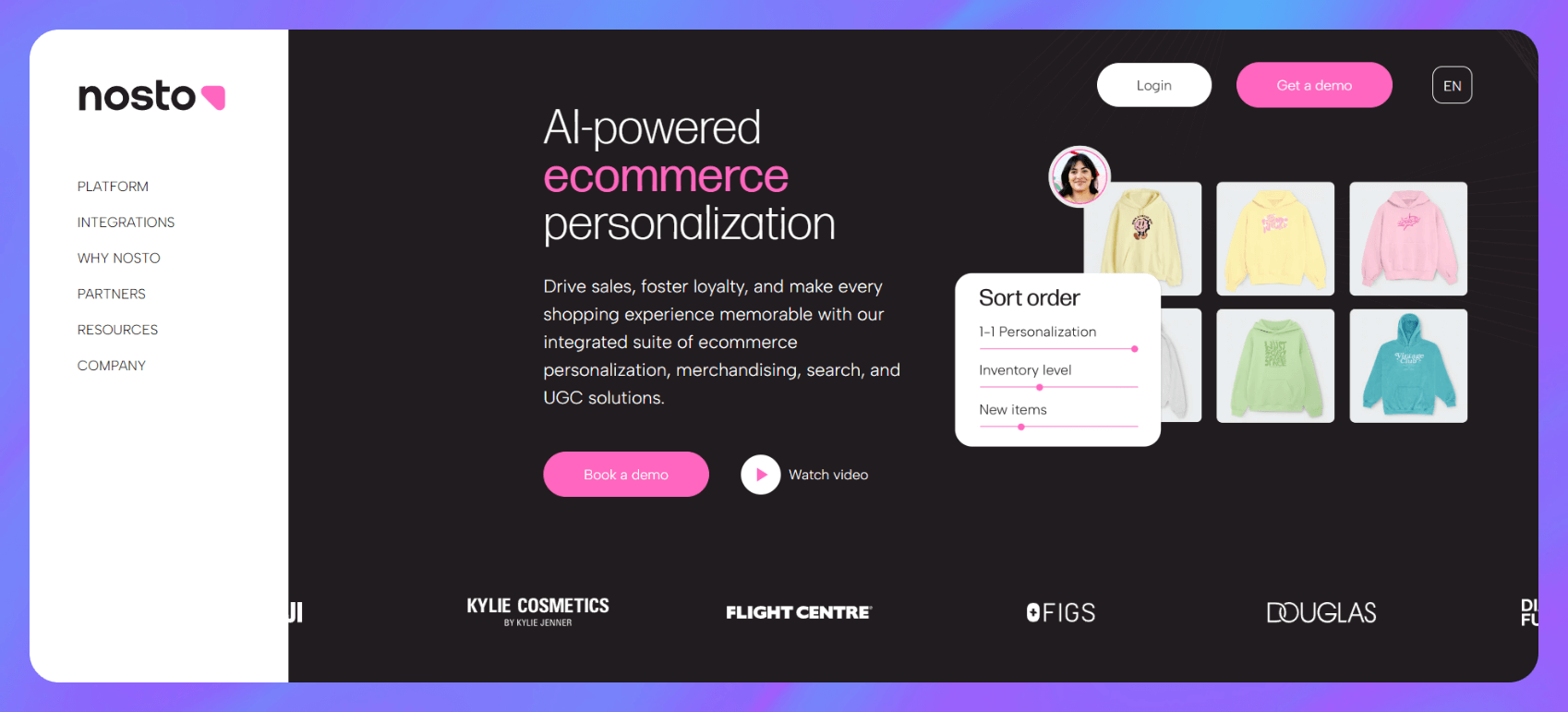
Personalization platforms dynamically tailor storefronts, product recommendations, and promotions based on individual customer behavior and purchase history. Nosto, for example, handles real-time product recommendations and merchandising, allowing rules to be set for sorting and boosting specific items.
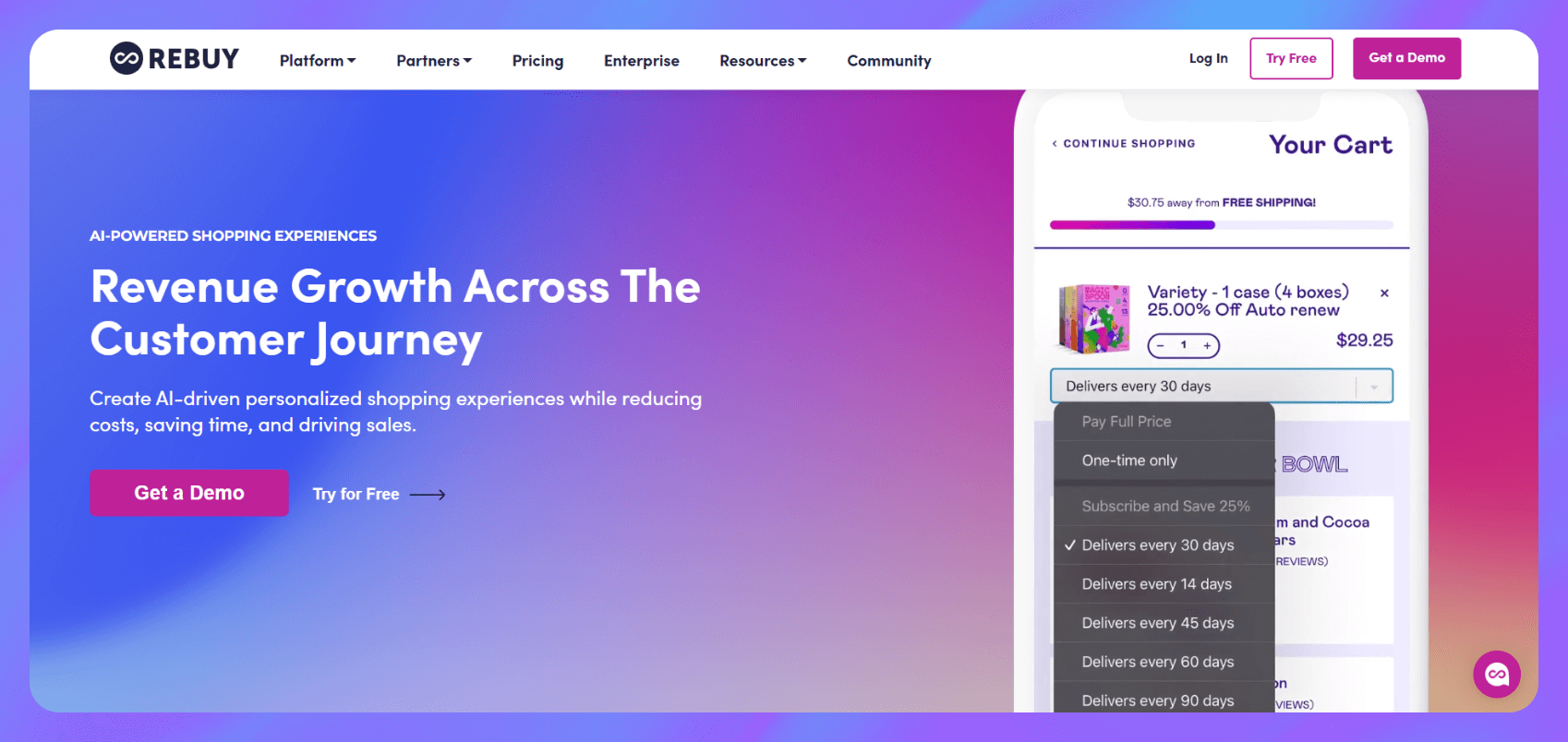
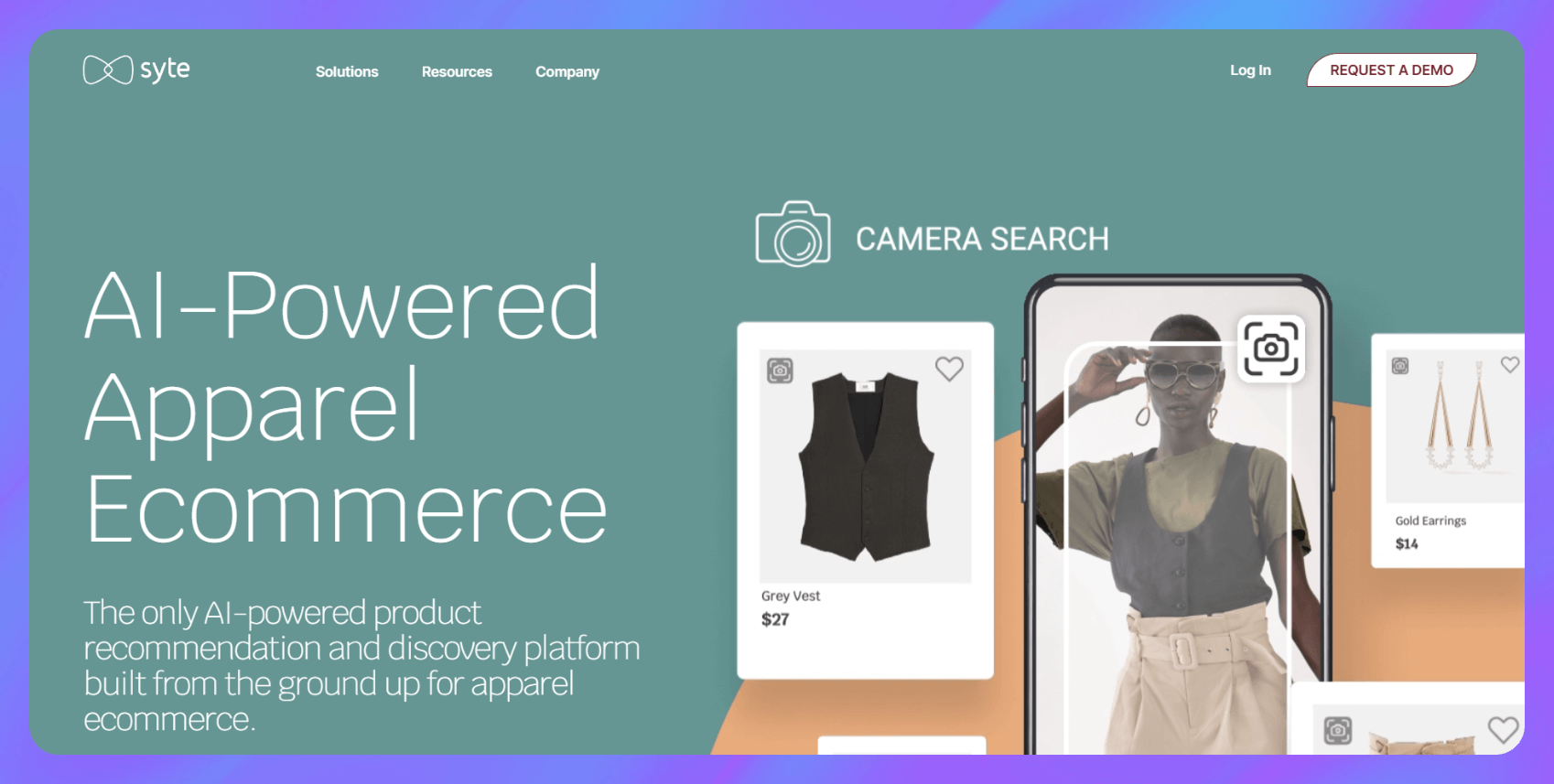
Similarly, Rebuy specializes in upsells and cross-sells at various checkout stages for Shopify stores, using dynamic bundles and smart cart features to nudge customers toward higher AOV. For apparel, Syte uses visual AI to offer style recommendations and curated "shop the look" suggestions, guiding shoppers through large style-driven catalogs.
Visual Search and Catalog Management
For categories like fashion or furniture, where appearance drives purchasing decisions, visual search tools enhance product discovery. ViSenze allows customers to search using images rather than text, automating product tagging and categorization to improve the accuracy of results.
Additionally, fast, typo-tolerant site search engines like Algolia improve the core usability of the storefront.
Competitive Pricing Strategies
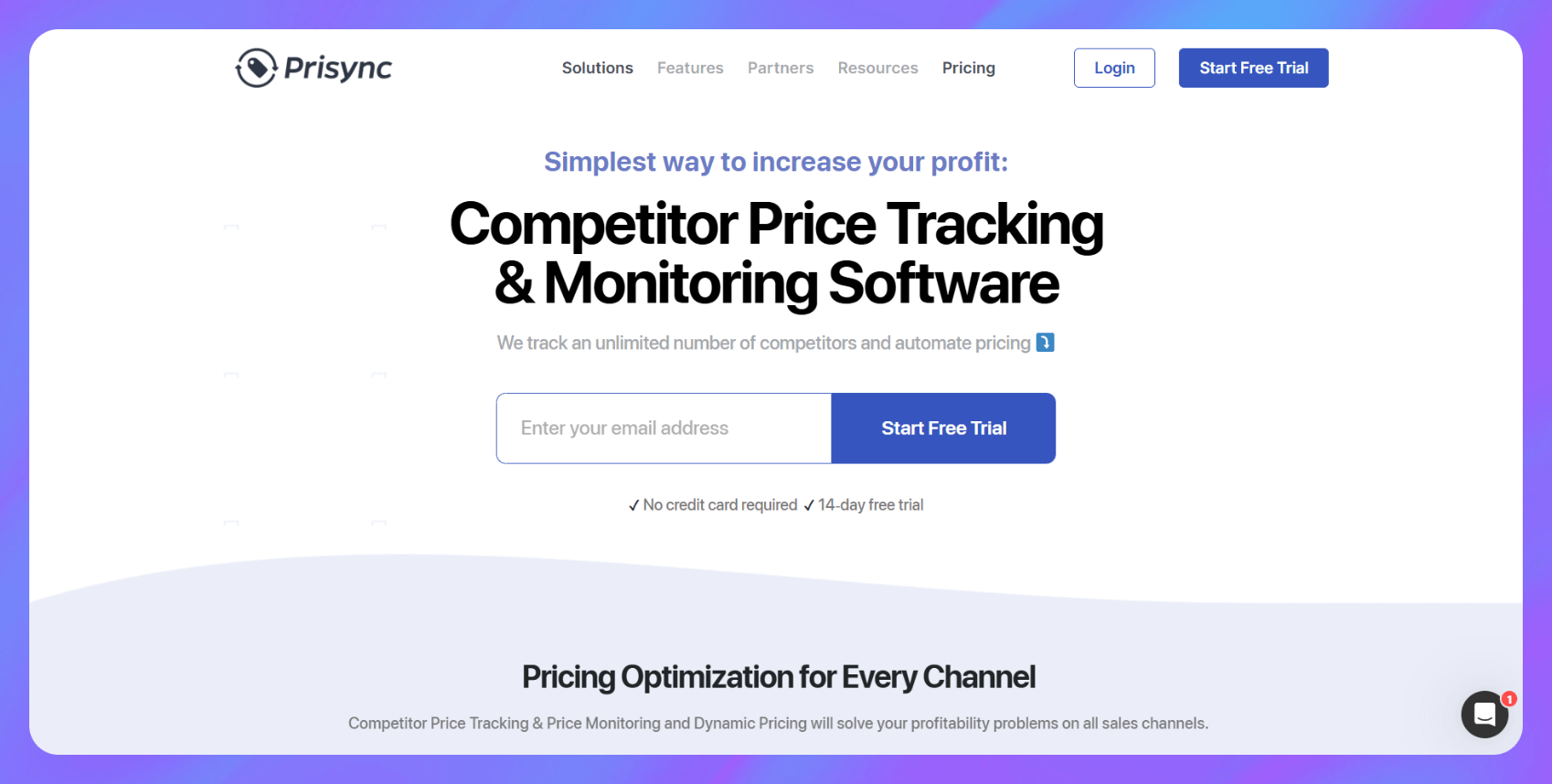
Staying competitive often means reacting quickly to fluctuations in the market. Prisync tracks competitor prices and stock levels, providing the ability to implement automated repricing rules based on margin targets or cost limitations. This capability is essential for managing large catalogs in competitive verticals where manual price monitoring is impractical.

Common Pitfalls When Implementing AI Marketing Tools
Avoiding common mistakes ensures that investments in AI technology yield demonstrable returns in campaign performance and operational efficiency.
- Failure Pattern: Relying solely on raw, unedited AI output for external communication. Corrective Principle: All AI-generated copy (product descriptions, ad text) requires human editing to ensure accuracy, brand alignment, and appropriate tone.
- Failure Pattern: Implementing too many tools simultaneously without defined goals. Corrective Principle: Start small, focusing on automating the single biggest pain point—such as creative analysis or email segmentation—and build the stack incrementally.
- Failure Pattern: Ignoring the integration challenge between systems. Corrective Principle: Prioritize tools known for strong ecommerce integrations, ensuring data flows seamlessly between ad intelligence, content generation, and storefront platforms.
- Failure Pattern: Treating AI recommendations as absolute mandates. Corrective Principle: Use AI insights, such as creative scoring or personalization suggestions, as hypotheses for A/B testing rather than automatic replacements for proven strategies.
- Failure Pattern: Neglecting to track the downstream impact of ad creative performance on AOV or conversion rates. Corrective Principle: Pair ad intelligence metrics with on-site personalization data to understand the full customer journey impact, from initial impression to final purchase.
Frequently Asked Questions
What are AI tools used for in ecommerce?
Ecommerce AI tools are specialized platforms utilizing artificial intelligence to assist online stores with critical functions, including ad analysis, customer support automation, dynamic pricing adjustments, and personalized product recommendations. They are designed to streamline operations and enhance the testing of campaigns and messaging.
How does AI help improve sales performance?
AI improves sales performance primarily by boosting efficiency and increasing customer conversion rates. AI platforms automate tasks like generating product copy, creating customized upsell offers, and optimizing ad creatives by analyzing which visuals and hooks resonate most effectively with target audiences. This optimization effort helps increase conversions and average order values.
What AI applications are most beneficial for small ecommerce teams?
Small ecommerce businesses benefit most from essential AI applications that cover core functions without excessive complexity. Recommended areas include simple tools for content generation (like Shopify Magic or flexible large language models), efficient customer communication (like Klaviyo or Tidio), and accessible platforms for tracking ad creative performance.
How is pricing typically structured for ecommerce AI software?
Pricing for ecommerce AI tools varies based on functionality and scale, often starting in the range of $20 to $100 per month for basic plans. Platforms focusing on high-volume tasks, like scaling copywriting or advanced price tracking, may charge higher monthly fees. Many providers offer a free tier or a time-limited trial period for testing purposes.