
How ChatGPT Ads Will Reshape the Digital Marketing Landscape
The anticipated introduction of advertising on ChatGPT marks a pivotal moment for digital marketers. Understanding the driving forces, potential ad formats, and strategic implications is essential for preparing for this new frontier.
Sections
The anticipated introduction of advertising on ChatGPT marks a pivotal moment for digital marketers. Understanding the driving forces, potential ad formats, and strategic implications is essential for preparing for this new frontier.
 advertising.">
Why Advertising on ChatGPT is Inevitable
With a user base growing to hundreds of millions of weekly active users, ChatGPT's operational costs are substantial. The platform's parent company, OpenAI, faces a significant gap between revenue and expenses, largely because the vast majority of its audience uses the free tier.
To achieve profitability, a turn towards advertising appears unavoidable. This mirrors the monetization strategy of other large-scale platforms like Google and Meta, which successfully built profitable businesses by serving ads to their massive free user bases.
Potential Formats for Conversational Ads
The primary challenge for OpenAI will be integrating ads without eroding the user trust that drives its popularity. The quality and impartiality of its responses are core to the user experience. Several ad formats could emerge that attempt to balance monetization with user satisfaction.
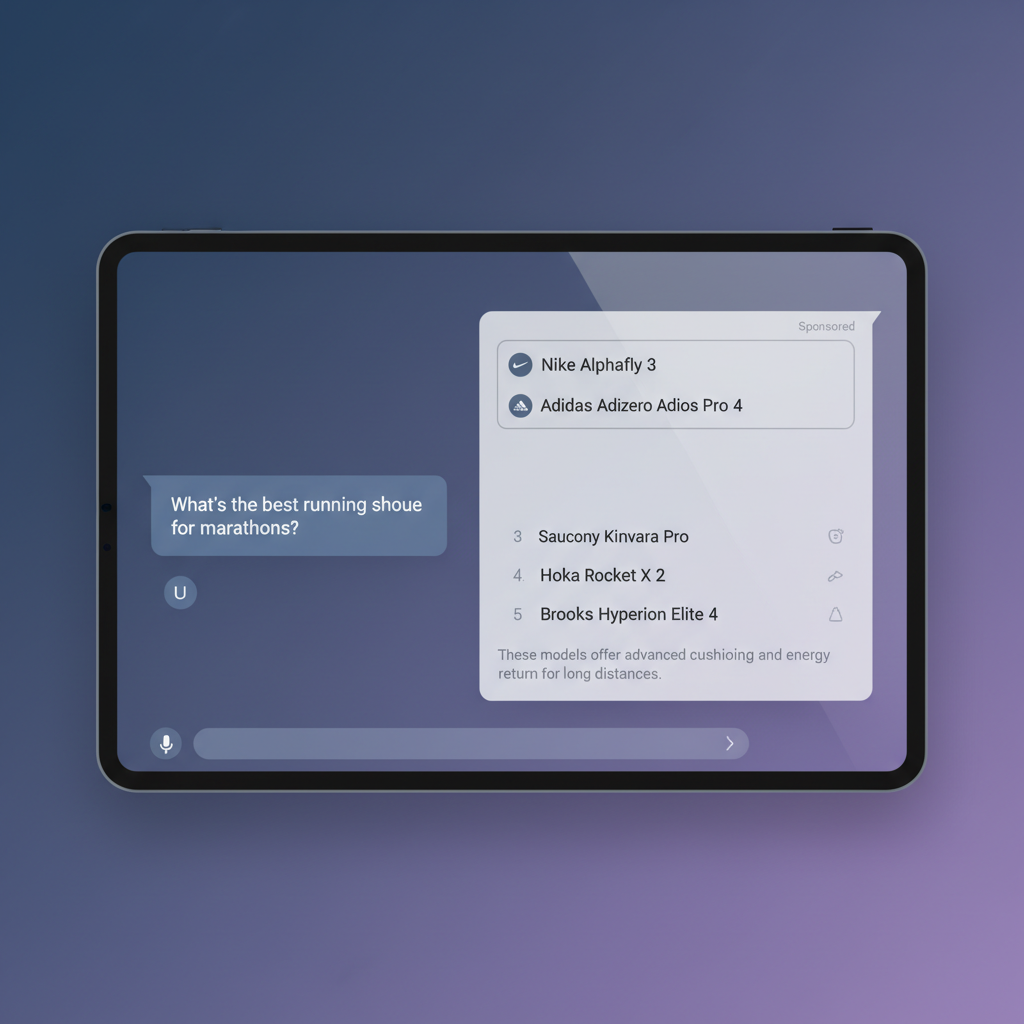
Sponsored Product Listings
One of the most probable formats is the integration of sponsored results within shopping-related queries. Similar to Google's Shopping ads, the first few products in a generated list could be marked as sponsored. This approach is familiar to users and could be one of the least disruptive ways to introduce commercial content.
Integrated App Partnerships
Another model involves partnerships with other applications. Ads could manifest as promotions for specific ChatGPT-integrated apps or allow partners to surface their own sponsored content through the API. For example, a travel query could feature sponsored hotel listings directly from a partner like Booking.com, providing a seamless and contextually relevant ad experience.
The Challenge of Measurability
Successfully implementing these ads will not be simple. Other AI platforms, like Perplexity, have experimented with sponsored related-search prompts but reportedly scaled back due to difficulties in providing measurable results for advertisers. OpenAI must solve this attribution puzzle to create a sustainable ad ecosystem.
The New Advertising Equation: Combining Intent and Intelligence
ChatGPT ads represent a potential paradigm shift by merging the strengths of today's dominant advertising platforms. It combines the deep audience understanding of social media platforms with the high purchase intent characteristic of search engine marketing.
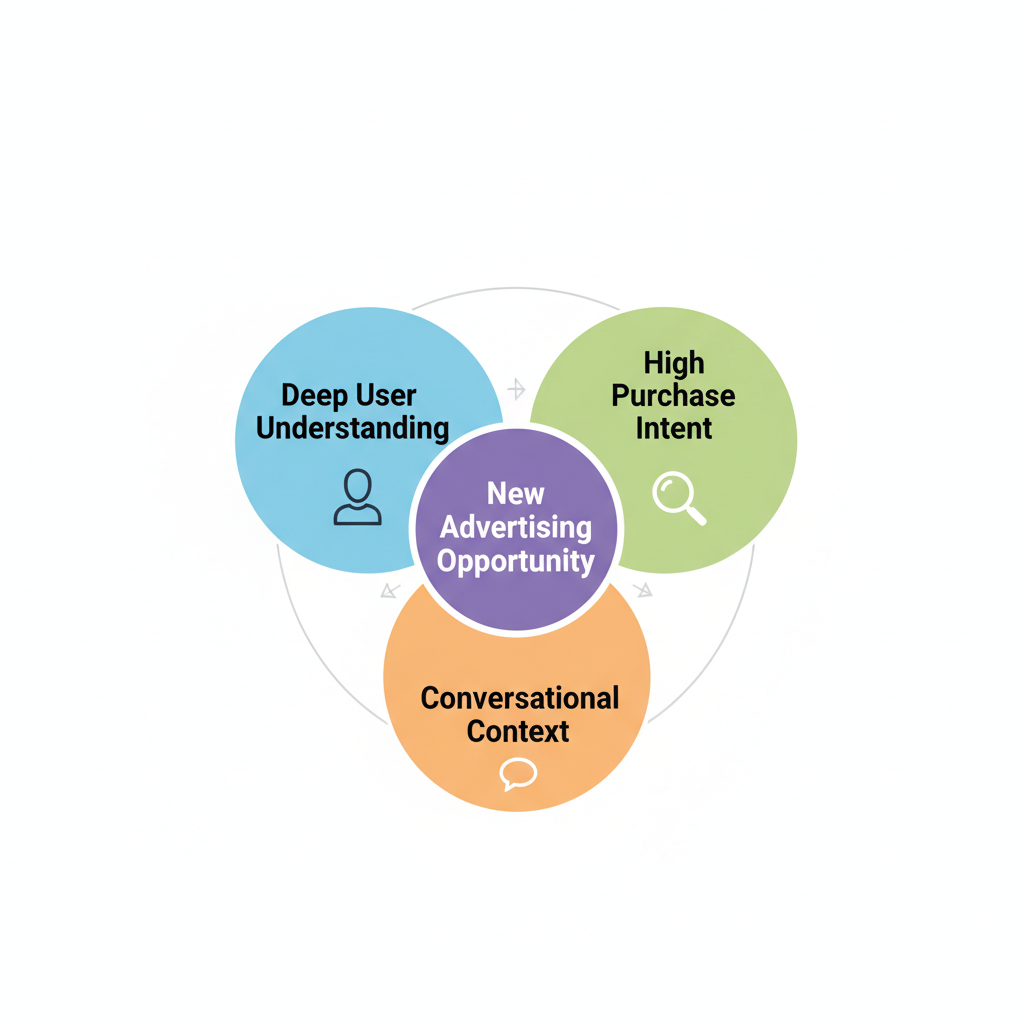
Because AI tools are becoming integrated into daily personal and professional workflows, they are a habitual touchpoint. This creates a powerful environment for advertisers. The blend of rich targeting capabilities and clear user intent signals an entirely new type of advertising opportunity.
For early adopters, the initial phase may offer significant advantages. With high user demand and low advertiser competition, brands that move quickly could experience strong performance and low costs, especially if ads are integrated in a way that feels authentic and helpful.
A Practical Workflow for AI Advertising Readiness
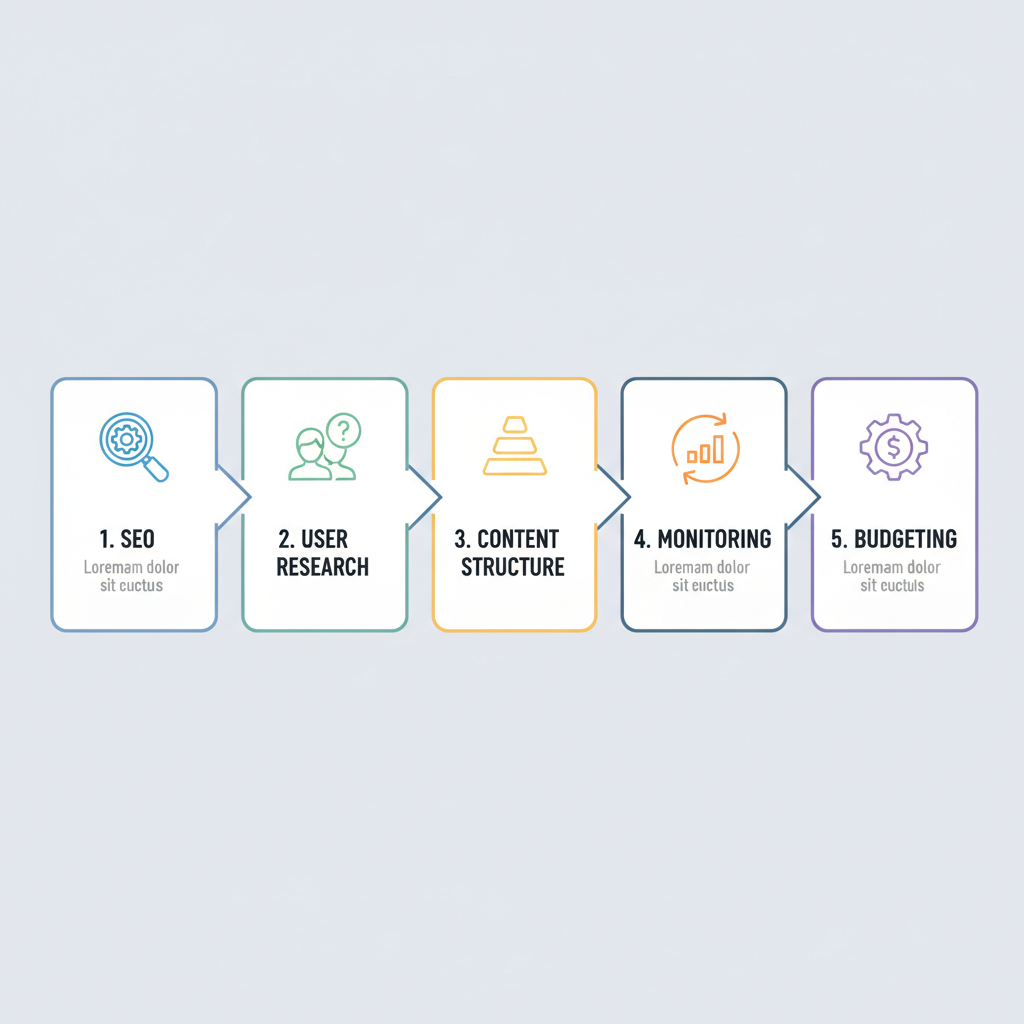
While ChatGPT's ad platform is not yet public, marketers can take proactive steps to prepare for its arrival. A strategic approach today can build a significant competitive advantage for tomorrow.
- Step 1: Prioritize organic visibility in AI answers by optimizing content for conversational queries and clear, structured information.
- Step 2: Analyze conversational search patterns to understand the types of questions and prompts users submit in your niche.
- Step 3: Structure website content with clear headings, lists, and direct answers that AI models can easily parse and cite.
- Step 4: Monitor how your brand and products are currently represented in AI-generated responses to establish a baseline.
- Step 5: Earmark an experimental budget to test the new platform and gather performance data as soon as it becomes available.
 advertising platforms." loading="lazy">
Common Mistakes to Avoid in the AI Advertising Era
As this new channel emerges, avoiding common pitfalls will be critical for success. Marketers should be mindful of the unique nature of conversational AI and adjust their strategies accordingly.
- Failure Pattern: Neglecting organic AI optimization.
Corrective Principle: Build a strong organic foundation now to support future paid efforts and gain two opportunities to appear in a response. - Failure Pattern: Reusing existing search or social creative.
Corrective Principle: Develop new creative concepts suited for a conversational, trust-based environment rather than direct interruption. - Failure Pattern: Waiting for the official ad platform release.
Corrective Principle: Begin preparing content strategy and analyzing user behavior on AI platforms immediately to gain a competitive advantage. - Failure Pattern: Underestimating the importance of user trust.
Corrective Principle: Plan for ad formats that add value to the user's query rather than simply disrupting the experience. - Failure Pattern: Measuring success with traditional PPC metrics alone.
Corrective Principle: Prepare for new performance indicators that may focus on contribution to the final answer or assisted conversions.
Analyzing the messaging, hooks, and formats of top-performing ads on existing platforms can provide a foundational understanding of the creative angles that resonate with audiences. This creative intelligence, gathered using a tool like AdLibrary.com, can inform initial hypotheses for testing within a new conversational ad environment.