
How Marketing Agencies Can Prepare for ChatGPT Ads: A Strategic Guide
The anticipated introduction of advertising on platforms like ChatGPT represents a significant shift in the digital marketing landscape. For marketing agencies, this evolution offers a new frontier for client growth, blending high-intent search with sophisticated user understanding. This guide provides a strategic framework for agencies to prepare for, and capitalize on, the emergence of conversational AI advertising.

Sections
Why ChatGPT Ads Present a Paradigm Shift for Agencies
Conversational AI platforms are poised to introduce advertising due to the immense operational costs associated with serving hundreds of millions of users, many of whom are on free tiers. Following the monetization models of search engines and social media platforms, advertising is the most viable path to profitability. For agencies, understanding this new ecosystem is critical for maintaining a competitive edge and delivering innovative solutions to clients.
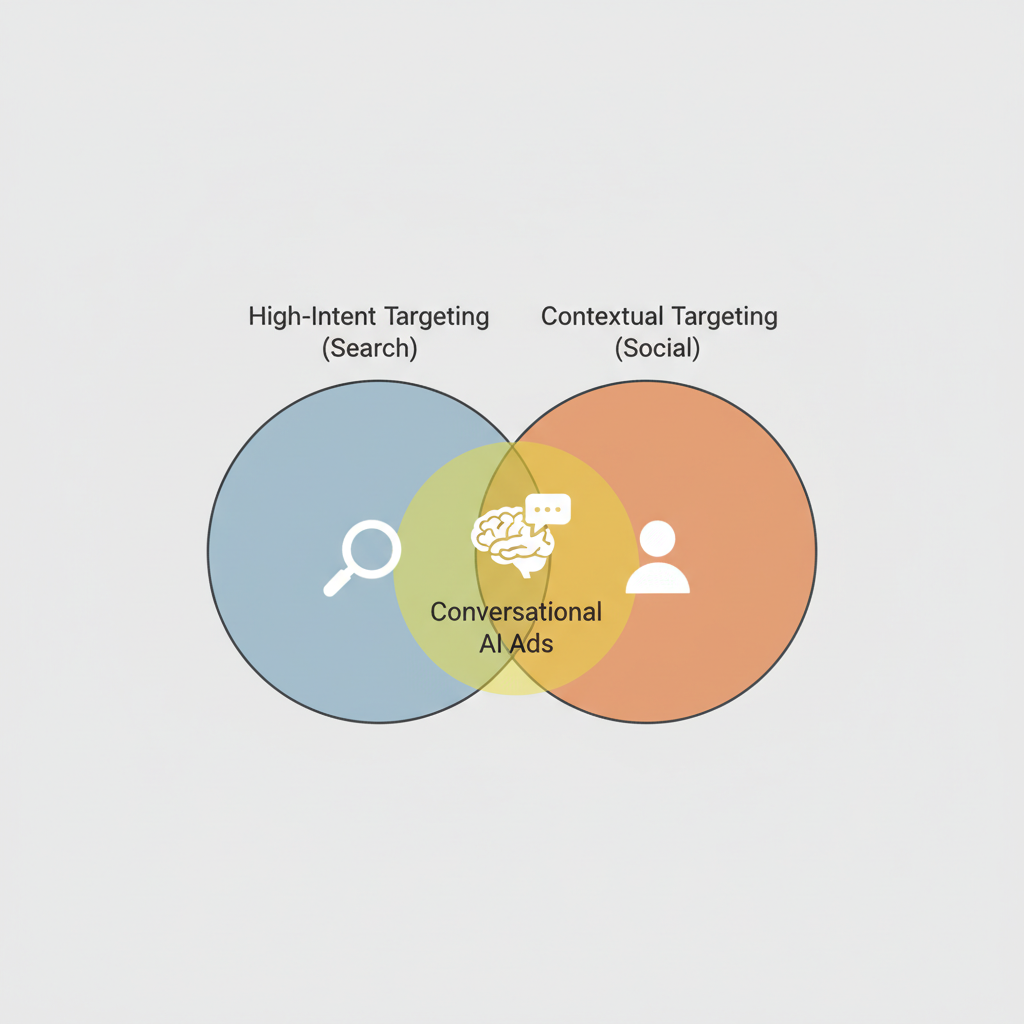
The Convergence of Intent and Targeting
The unique power of AI advertising lies in its ability to merge two traditionally distinct models:
- Intent-Based Advertising (like Google Ads): Captures users who are actively searching for a product or solution.
- Attention-Based Advertising (like Meta Ads): Interrupts users with targeted creative to generate interest and demand.
ChatGPT ads are expected to combine the high-purchase intent of search with a deep, nuanced understanding of user context and history, similar to advanced social media targeting. This hybrid model allows for advertising that is not only relevant to a user's immediate query but also aligned with their broader needs and preferences, creating a powerful opportunity for high-conversion campaigns.
The Early Adopter Advantage
As with any new advertising platform, the initial phase is likely to be characterized by high user supply and low advertiser competition. This imbalance typically results in lower costs-per-click (CPC) and higher conversion rates for early adopters. Agencies that prepare clients to enter this market early can secure significant performance advantages before the platform becomes saturated.
Potential Ad Formats and Client Opportunities
While the exact formats are yet to be confirmed, several logical implementations provide a basis for strategic planning. Agencies can begin exploring how these formats might align with different client goals and industries.
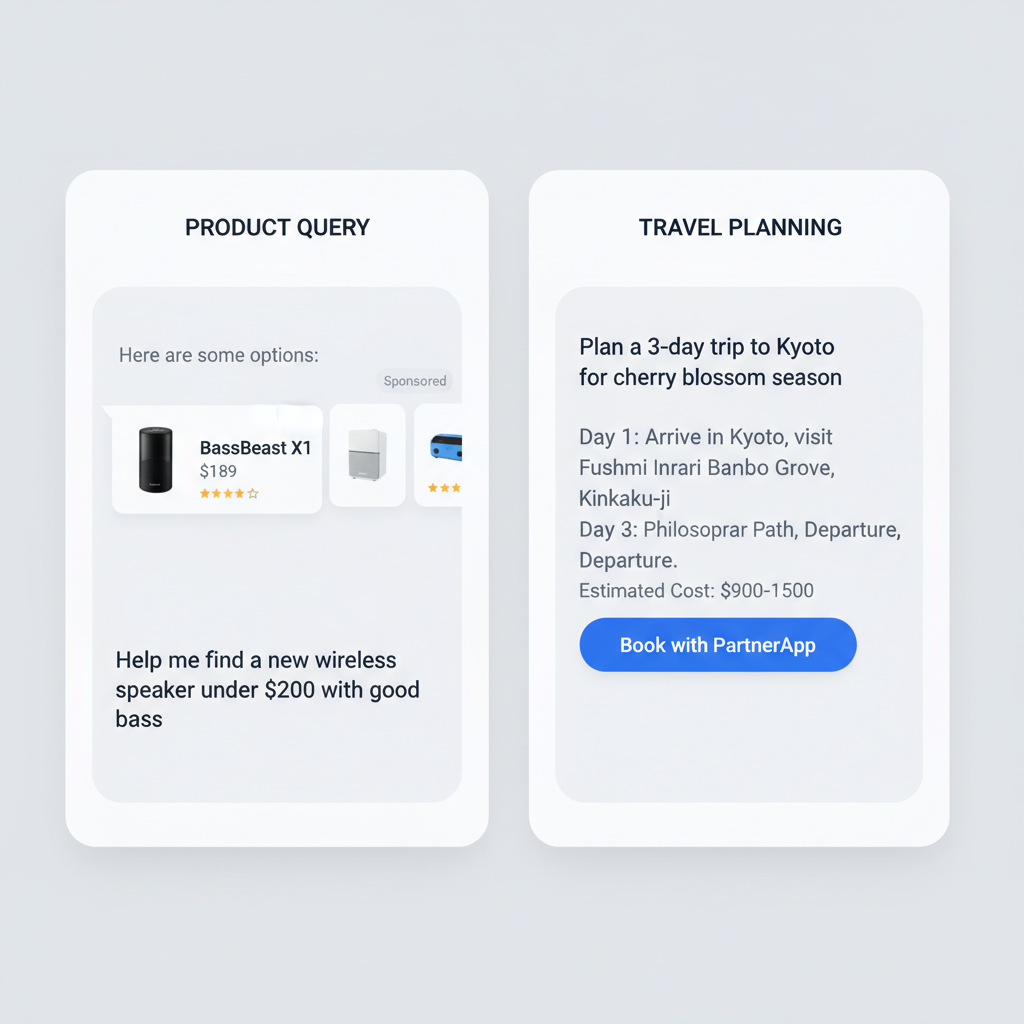
Sponsored Shopping Results
One of the most probable formats involves integrating sponsored product listings directly into conversational responses. When a user asks for product recommendations, the AI could feature sponsored items at the top of a list or in a dedicated shopping carousel. This format is a natural fit for e-commerce clients, creating a seamless path from consideration to purchase within the chat interface.
Integrated App-Based Advertising
Another potential avenue involves partnerships with third-party applications or 'plugins'. For example, if a user plans a vacation, the AI could leverage a connection with a travel app like Booking.com to serve sponsored hotel or flight listings. This model allows for highly contextual and functional advertising, where the ad is not just a link but a direct action facilitated by a partner service. This opens opportunities for clients in travel, SaaS, and other service-based industries.
A Strategic Workflow for Agency Preparedness
Proactive preparation is essential for capitalizing on this new channel. Agencies can follow this workflow to build a foundation for success before ChatGPT ads are officially launched.
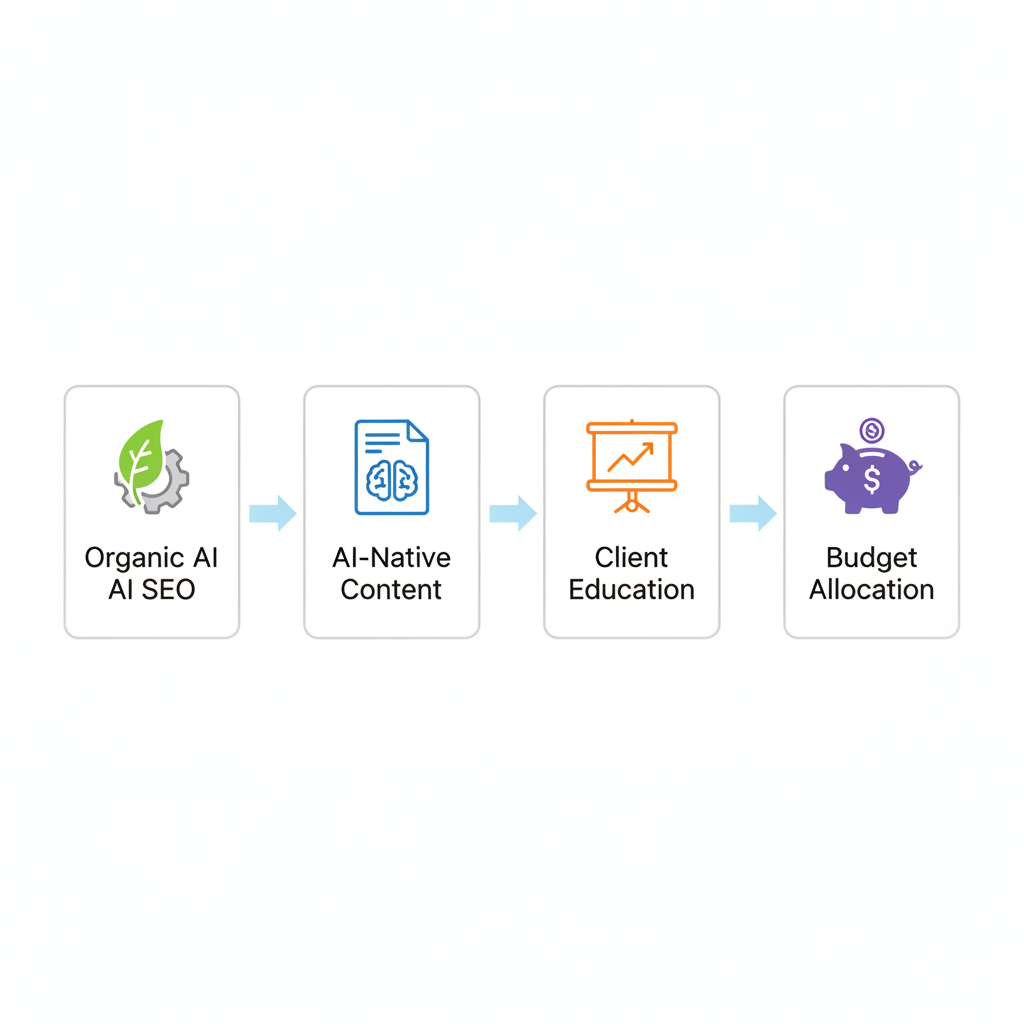
Step 1: Master Organic AI Search Optimization
Before paid opportunities arise, the primary focus should be on organic visibility within AI-generated answers. AI models source information from the web to formulate their responses. By creating high-quality, authoritative content that is easily digestible by AI, agencies can position their clients to be cited in organic results. This establishes trust and authority, creating a powerful 'two swings at the bat' advantage when paid placements become available—ranking both organically and with a paid ad.
Step 2: Develop AI-Native Content Strategies for Clients
Shift client content strategies to be 'AI-first'. This involves creating clear, factual, and well-structured content that directly answers common user questions. Focus on building comprehensive resource hubs, detailed guides, and data-driven articles that position a client's website as a reliable source for AI models to reference. This not only aids in organic AI ranking but also builds a content library that can be repurposed for future ad campaigns.
Step 3: Educate Clients and Set Expectations
Begin conversations with clients about the future of AI advertising now. Frame it as a new, high-potential channel and a source of competitive advantage. Explain the early adopter opportunity and the importance of preparing through organic optimization. This proactive communication builds trust and helps secure buy-in for experimental budgets when the time comes.
Step 4: Prepare for Early Adopter Budgets
Advise clients to allocate a portion of their marketing budget for experimentation on new platforms. When ChatGPT ads launch, having a pre-approved budget will allow for immediate action, enabling clients to benefit from the initial low-cost, high-performance window. Emphasize that the goal of this initial spend is learning and data acquisition as much as direct ROI.
Common Mistakes Agencies Must Avoid
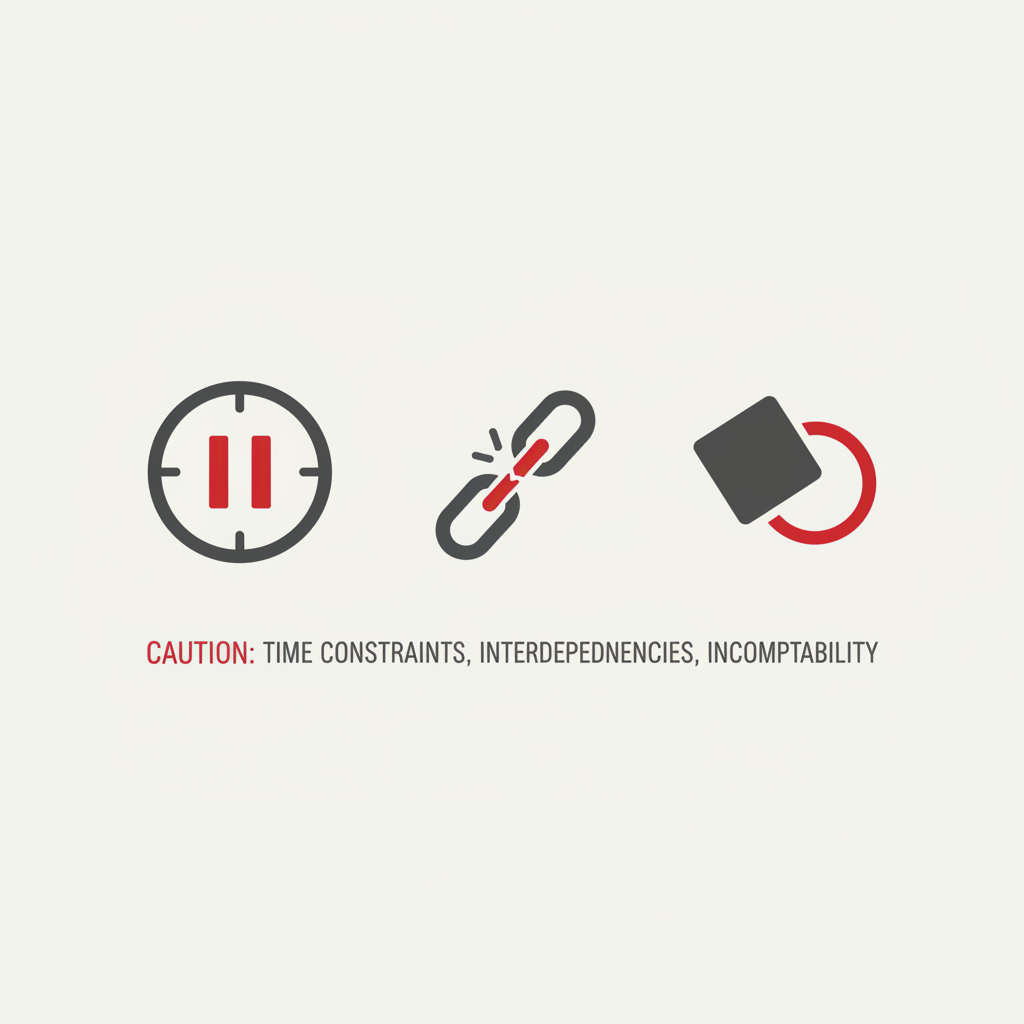
Navigating this new terrain requires avoiding common pitfalls that could leave an agency and its clients behind.
Waiting for the Official Launch
The biggest mistake is inaction. The groundwork for success in AI advertising is laid by achieving organic visibility now. Agencies that wait for an official ad platform announcement will start from a significant disadvantage.
Ignoring Organic AI Optimization
Treating paid AI ads as a separate channel from organic AI presence is a flawed approach. A strong organic foundation amplifies the effectiveness of paid campaigns by increasing brand visibility and credibility within the same user interface.
Applying Old Strategies to a New Model
Simply porting Google Search or Meta ad campaigns to a conversational AI platform is unlikely to be effective. The context is different, and users will expect a more seamless, value-driven experience. Agencies must plan to develop new creative and messaging that feels native to a conversational format, avoiding disruptive or irrelevant ad placements that could break user trust.
Related Tools
Frequently Asked Questions
When are ads expected to launch on ChatGPT?
While there is no official launch date, industry analysis and developments within OpenAI's platform suggest a potential rollout in the near future. The focus for now should be on preparation rather than waiting for a specific date.
How will ChatGPT ads be different from Google Search ads?
ChatGPT ads will likely blend the user's immediate query (intent) with a deep contextual understanding of their conversation history and preferences. This allows for more personalized and nuanced targeting than traditional keyword-based search ads, moving beyond simple demand capture.
What is the most important thing our agency can do to prepare for ChatGPT ads?
The single most important preparation step is to focus on organic AI search optimization. By ensuring your clients' content is frequently cited in AI-generated answers, you build a foundation of authority and visibility that will complement and enhance future paid advertising efforts.
How can we convince clients to invest in preparing for a platform that doesn't exist yet?
Frame the preparation as a low-risk, high-reward investment in future-proofing their brand. The work done for organic AI optimization—creating high-quality, authoritative content—also benefits current SEO and establishes them as thought leaders, providing immediate value while preparing for the next big advertising channel.
Will AI-generated ads feel intrusive to users?
This is a primary challenge for AI platforms. The most successful ad integrations will likely be those that feel native and add value to the user's conversation. Formats like sponsored shopping results or helpful app integrations are less likely to be perceived as intrusive compared to traditional banner ads.
Key Terms
- Conversational AI Advertising
- A form of digital advertising where paid placements are integrated directly into the responses of an AI chatbot or virtual assistant, based on the context of the user's conversation.
- AI Search Optimization (AIO)
- The process of creating and structuring web content in a way that makes it more likely to be discovered, understood, and cited as a source by artificial intelligence models when they generate answers.
- Intent-Based Advertising
- An advertising model that targets users based on their expressed intent, typically identified through search queries or other explicit actions indicating a desire to find information or make a purchase.
- Attention-Based Advertising
- An advertising model, common on social media, that aims to capture a user's attention and generate interest or demand for a product or service, often without pre-existing user intent.
- Early Adopter Advantage
- The strategic benefit gained by being one of the first to use a new technology or platform, often characterized by lower costs, less competition, and higher engagement rates.