
How to Run Paid Ads: A Strategic Guide for Business Growth
This guide provides a comprehensive framework for planning, launching, and scaling paid advertising campaigns. Learn foundational principles, step-by-step workflows, and advanced strategies to drive business growth, regardless of your industry or current revenue.
Sections
Foundational Principles of Paid Advertising
Before launching any campaign, it's crucial to understand the core principles that dictate success. These fundamentals revolve around understanding your customer, building trust, and crafting an irresistible offer.
Identify Customer Pain Points
The most effective ads don't just showcase a product; they solve a specific problem. Start by identifying the primary pain points of your target audience. For example, a dentist running a clinic may be tired of working weekends or dealing with administrative calls. An ad speaking directly to that frustration—offering a solution like a recruiting service—will capture attention far more effectively than a generic ad. Similarly, a second-home owner's pain is paying a mortgage on an empty, unused property. Your ad's hook should address this pain directly.
The Central Role of Trust and Proof
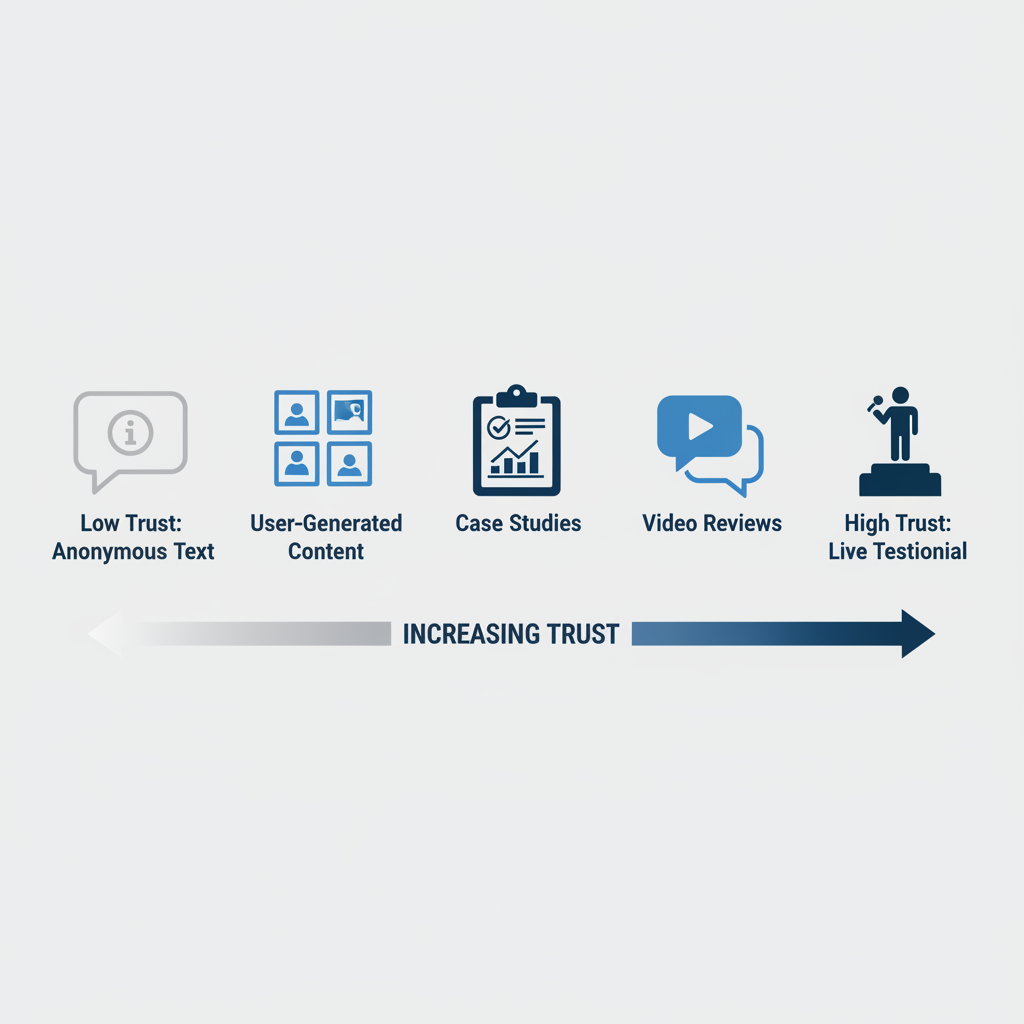
In a crowded market, trust is a valuable currency. While many businesses make similar promises, your proof is what makes your claims believable and unique. Focus on showcasing customer success stories and testimonials. The most compelling proof is the hardest to fake. Consider the spectrum of proof: on one end is a faceless, text-based testimonial; on the other is a person, live on stage, who perfectly matches your target customer profile and shares specific, transformative results. The closer you can get to the latter, the more trust you will build. Allocate a significant portion of your creative resources—as much as 80%—to highlighting customer proof rather than your own promises.
Offer-Driven vs. Brand-Driven Strategies
The right strategy depends on your business model. For local businesses like an acupuncture clinic, campaigns can be very offer-driven. Trust is inherently higher due to the local presence, so a compelling, low-cost introductory offer (e.g., a $19-$29 initial treatment) can be highly effective. For national or online businesses, building brand and trust over time is more critical. This often involves providing significant value upfront through lead magnets before asking for a sale.
A Step-by-Step Framework for Launching Paid Ad Campaigns
A structured approach to campaign creation ensures all critical components are in place for optimal performance. Follow these steps to build a robust advertising process from the ground up.
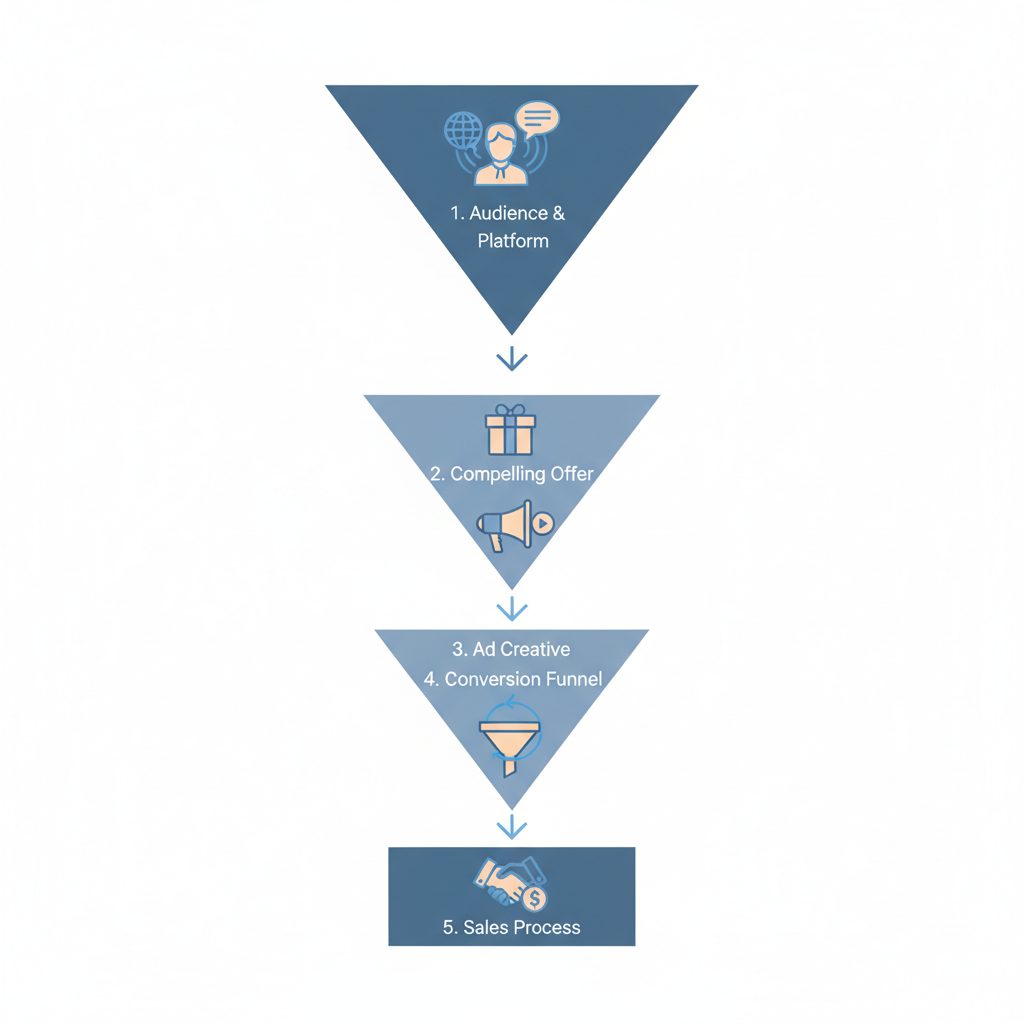
Step 1: Define Your Target Audience and Platform
Start with a clear picture of who you are trying to reach. For B2B services targeting industries like home services (e.g., roofers), platforms like Meta (Facebook and Instagram) can be effective due to their powerful targeting capabilities. If you have an existing customer list, use it to create a lookalike audience. This instructs the ad platform to find new users who share characteristics with your best customers, providing a highly relevant starting point for your targeting.
Step 2: Develop a Compelling Offer or Lead Magnet
Your offer is the core of your campaign. It needs to be valuable enough to persuade a potential customer to take action. This could be a low-cost initial service, a free audit, a detailed case study, or a downloadable guide. For a B2B vacation rental company, this might be a free estimate of potential earnings, supported by case studies of similar homes. For a business coaching service, a valuable lead magnet could be a detailed framework or playbook. Invest time in making this asset genuinely useful, as it sets the tone for the customer's entire experience with your brand.
Step 3: Create High-Impact Ad Creative
Your ad creative must stop the scroll and communicate your value proposition quickly. Let your clients do the talking through testimonials. Showcasing real people who look like your target customer achieving the results your customer desires is the most powerful creative strategy. Frame your offer in terms of clear ROI. For instance, a VA service for roofers can calculate the annual savings per employee and present a guarantee, making the value proposition tangible and compelling.
Step 4: Build a Conversion-Focused Funnel
A typical and effective funnel directs users from an ad to a landing page where they can opt-in for your offer. After opting in, they are taken to a thank-you page that includes a call-to-action to book a call or schedule an appointment. This simple sequence—Ad > Landing Page > Thank You Page/Scheduler—works across many industries. The key is to manage friction. If you receive too many low-quality leads, add friction (like a short application or a video sales letter) to filter for more qualified prospects. If you aren't getting enough leads, remove friction to make it easier for people to opt in.
Step 5: Implement a Lead Qualification and Sales Process
Generating a lead is only half the battle. You need a reliable process to convert that lead into a customer. This involves calling every lead that opts in, even if they've already booked a meeting. This call serves to confirm the appointment, further qualify the lead, and build rapport. For a local service like acupuncture, this process involves getting a card on file during scheduling to secure the appointment and then upselling a longer-term treatment plan during the initial visit.
Scaling Your Paid Advertising Efforts
Once you have a profitable campaign, the next challenge is to scale it without sacrificing performance. This requires a systematic approach to creative testing and budget allocation.
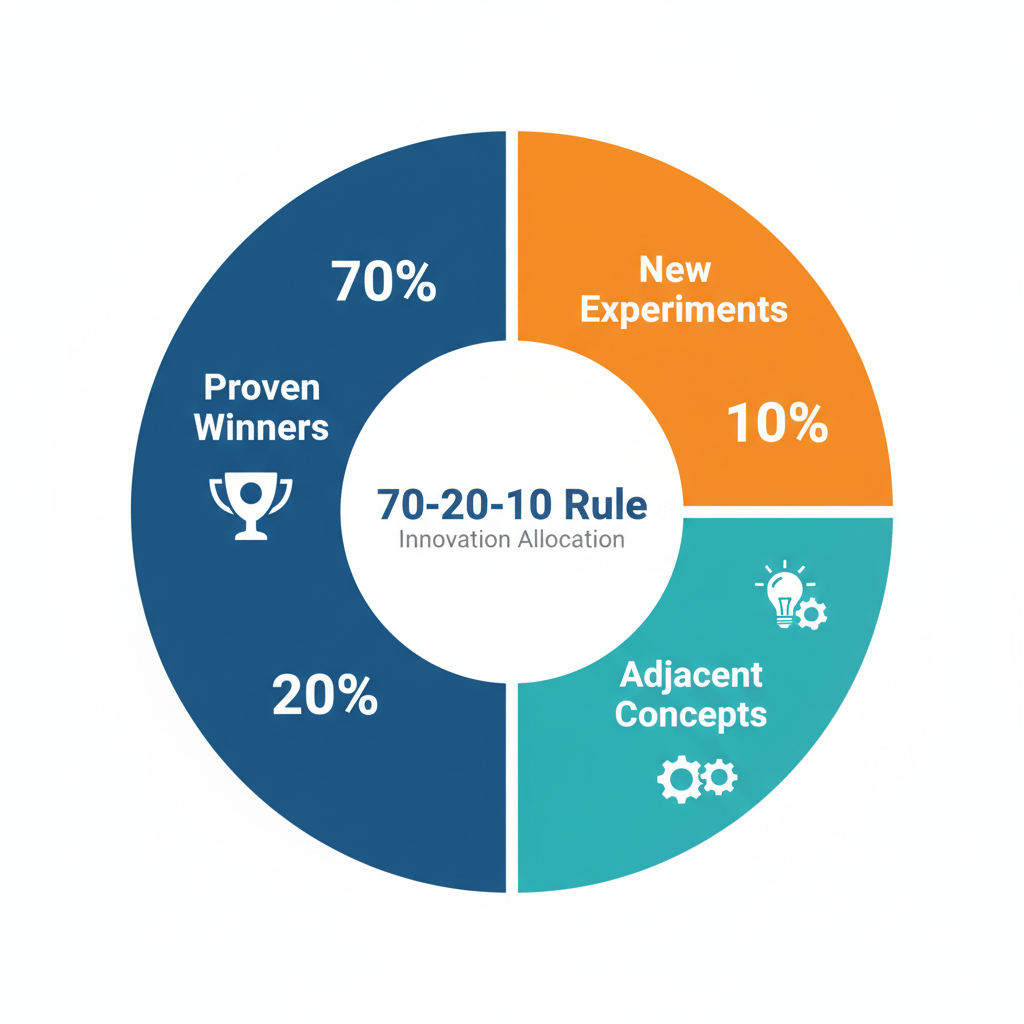
The 70-20-10 Rule for Creative Testing
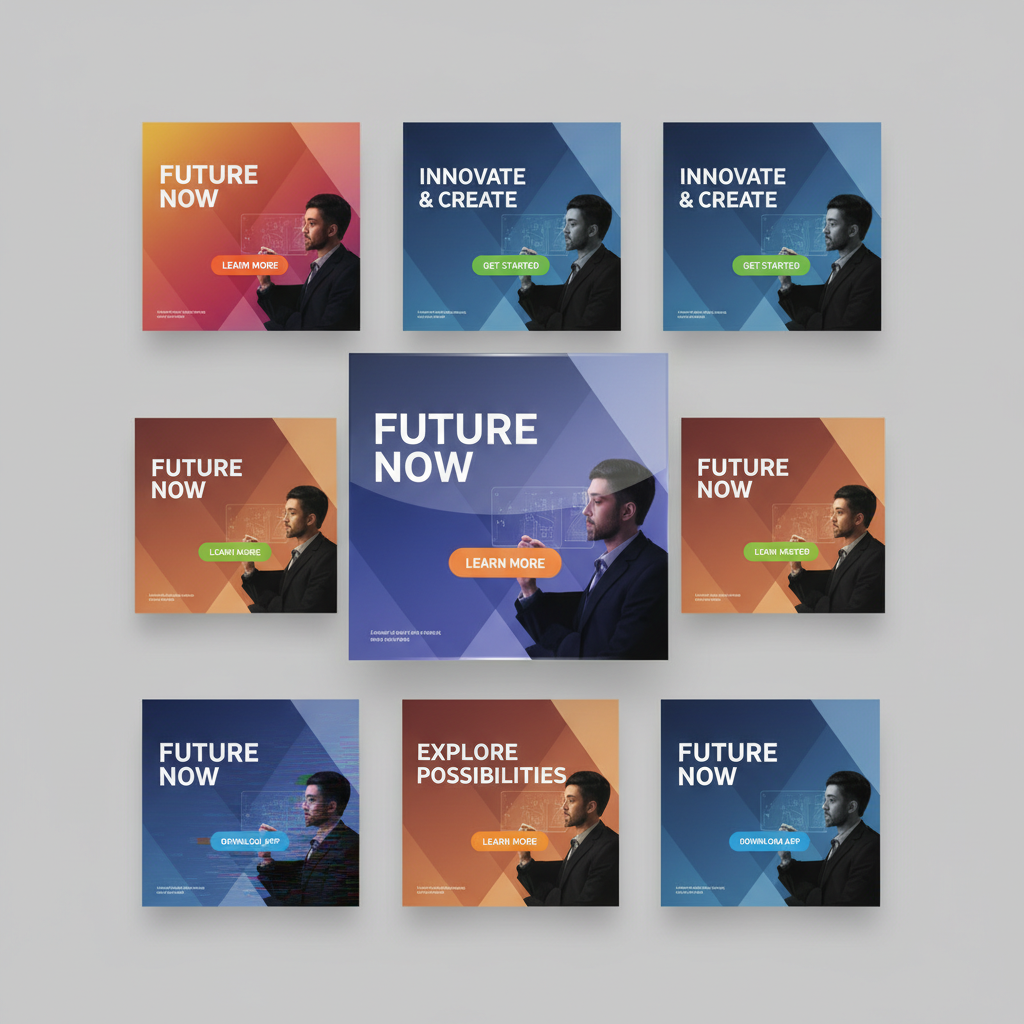
To scale sustainably, structure your creative efforts and budget using the 70-20-10 model. This framework, tested by major platforms, allocates resources effectively for both stability and innovation.
- 70%: Dedicate 70% of your resources to your proven, winning ads and their direct variations (permutations). This is your bread and butter and ensures consistent results.
- 20%: Allocate 20% to adjacent ideas—creatives that are similar in style or concept to your winners but explore new angles.
- 10%: Use the final 10% for experimental, high-risk, high-reward ideas. These are your "wild ass ideas" that could unlock the next big win.
Leverage Retargeting Across All Platforms
Not every visitor will convert on their first visit. Implement a global retargeting strategy across all relevant platforms (Meta, Google Display Network, YouTube). By installing tracking pixels on your website, you can show follow-up ads to everyone who has visited your site but didn't convert. This "shadow funnel" is almost always profitable because you are marketing to a warm audience that has already expressed interest.
Driving Down CAC and Increasing LTV
True scale comes from improving your core unit economics: decreasing your Customer Acquisition Cost (CAC) and increasing your Lifetime Value (LTV). To lower CAC, analyze your top-performing ads. Identify the common elements in the first 3 seconds—the hook—and model new creatives after them. To increase LTV or Average Order Value (AOV), explore bundles, subscriptions, and payment plans. Even low-ticket items can significantly boost AOV when bundled as a year's supply with a high-ticket purchase.
Platform-Specific Strategies and Tactics
While the core principles apply everywhere, different platforms have unique strengths. Tailoring your approach can unlock better results.
Meta (Facebook & Instagram) for Diverse Targeting
Meta's strength lies in its sophisticated targeting and its ability to reach a wide demographic. It's an excellent starting point for many businesses, from local services to B2B and e-commerce. The platform's AI is adept at finding users based on interests, behaviors, and the content of your ad copy and creative itself.
PPC for High-Intent Audiences
Pay-per-click (PPC) platforms like Google Search are intent-based. You're reaching users who are actively searching for a solution you provide. While lead quality is typically very high, it's often more expensive. PPC is a powerful channel, especially for businesses with a clear, established need in the market, like roofing or other home services.
Using Group Funnels for Community Building
For coaching, consulting, or high-ticket services, a group funnel can be highly effective at building trust and lowering acquisition costs. In this model, the lead magnet is a free community (e.g., a Facebook Group or Skool community). This functions like a more engaging, long-term email nurture list. Conversion mechanisms within the group can include free onboarding calls, exclusive video series, weekly webinars, and direct outreach from appointment setters to engaged members.
Common Mistakes to Avoid in Paid Advertising
Many promising campaigns falter due to avoidable errors. Be mindful of these common pitfalls to ensure your ad spend is effective.
Neglecting Customer Proof and Testimonials
The single biggest mistake is focusing too much on your own promises instead of your customers' results. Your claims are not unique, but your proof is. Let satisfied customers be the heroes of your ads. This builds credibility and helps prospects see themselves achieving similar success.
Creating Too Much or Too Little Friction
Friction in a funnel is a tool to be managed. Too much friction (e.g., a long, complicated application for a low-value offer) will kill your lead flow. Too little friction can lead to a high volume of unqualified leads that waste your sales team's time. Continuously adjust the level of friction in your opt-in process to balance lead volume with lead quality.
Failing to Systematically Test and Iterate Creative
When you find a winning ad, the work isn't over. The goal is to squeeze as much performance out of that winner as possible. Create dozens of variations: change the headline, the first 3 seconds, the background music, the color grading, or the call-to-action. A single successful creative concept can fuel your campaigns for months if you systematically iterate and test its components.
Related Tools
Frequently Asked Questions
How do I start running ads for a local business?
Local businesses often see success with offer-driven campaigns on platforms like Meta. Trust is higher locally, so a compelling, low-friction introductory offer (e.g., a discounted first service) can effectively generate high-quality leads. Focus on a simple funnel that captures contact information and facilitates easy scheduling.
What is the best way to scale ads that are already profitable?
To scale working ads, first increase the budget as long as your ROAS remains acceptable. Concurrently, use the 70-20-10 rule to test new creative: 70% of effort on variations of your winner, 20% on similar concepts, and 10% on new ideas. Also, implement a cross-platform retargeting strategy to capture unconverted website visitors.
My ad leads are low quality. What should I do?
If your lead quality is poor, first try adding 'good friction' to your funnel. This could be an application form, a multi-step opt-in, or a video sales letter that pre-educates prospects. These steps help weed out uncommitted individuals. If quality is still low after adding friction, your ad targeting may be off.
How can I improve my ad creative without starting from scratch?
Analyze your best-performing ads and identify the winning components, especially the hook in the first three seconds. Systematically create variations by changing headlines, visuals, calls-to-action, and ad copy. Reskinning a single winning ad into dozens of variations is a highly efficient way to generate fresh creative.
How do I build trust with cold traffic from paid ads?
Build trust by heavily featuring customer proof. Use testimonials, case studies, and user-generated content in your ads. Your proof is more unique and believable than your promises. Additionally, offering a high-value lead magnet or using a community-based group funnel can establish credibility before you ask for a sale.
Key Terms
- ROAS (Return on Ad Spend)
- A marketing metric that measures the amount of revenue earned for every dollar spent on an advertising campaign. It is calculated by dividing the revenue generated by ads by the cost of those ads.
- Lookalike Audience
- A targeting option used by ad platforms like Meta. It identifies new people who are likely to be interested in your business because they share similar characteristics with your existing best customers.
- Lead Magnet
- A free item or service given away for the purpose of gathering contact details. Examples include free guides, case studies, webinars, or a free initial consultation.
- CAC (Customer Acquisition Cost)
- The total cost of sales and marketing efforts required to acquire a new customer. A key metric for measuring the profitability and efficiency of advertising campaigns.
- LTV (Lifetime Value)
- A prediction of the net profit attributed to the entire future relationship with a customer. Increasing LTV is a key lever for scaling a business profitably.
- PPC (Pay-Per-Click)
- An internet advertising model used to drive traffic to websites, in which an advertiser pays a publisher when the ad is clicked. Search engine advertising is a common form of PPC.
- Retargeting
- An advertising strategy that involves showing ads to people who have already visited your website, used your mobile app, or shared their contact information with you. It is used to re-engage warm prospects.
- VSL (Video Sales Letter)
- A video designed to sell a product or service. In funnels, it's often used on a landing page to educate potential customers and persuade them to take the next step, acting as a form of 'good friction' to qualify leads.