
A Strategic Guide to the Facebook Ads Library for Competitor Research
Leverage Meta's transparency tool to analyze competitor strategies, deconstruct high-performing creatives, and build data-informed campaign hypotheses.

Sections
Understanding the Facebook Ad Library's Role in Research
Originally developed by Meta to increase advertising transparency, the Facebook Ad Library has become an essential resource for marketers. It provides a searchable database of active and inactive ads across Meta's platforms, including Facebook and Instagram. This free tool offers a direct view into the advertising strategies used across various industries, making it invaluable for competitive intelligence and creative research.

How to Conduct Ad Research in the Library
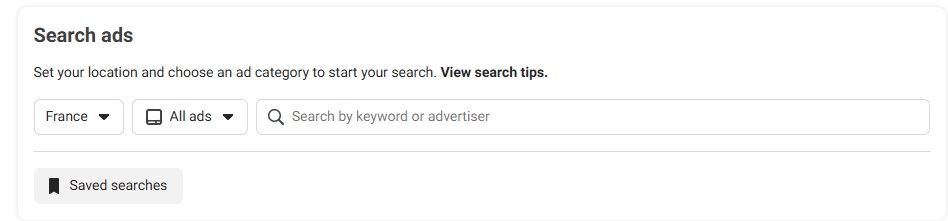
Accessing the library does not require a Meta account, making it universally available for analysis. The core functionality revolves around two primary search methods. Users can search by a specific advertiser's name to see their entire ad history or search by a keyword to find all ads containing that term in their copy.
To narrow the results, researchers can apply filters such as the target country. By default, the ad category should be set to "All Ads" to ensure a comprehensive view of commercial advertisements. These basic search and filtering capabilities form the foundation of any strategic investigation.
A Framework for Creative Analysis
Effective ad research goes beyond simple observation; it requires a structured approach to deconstruct why certain ads succeed. Analyzing creative elements systematically helps uncover patterns and trends. This involves looking at ad formats, messaging structures, and platform-specific adaptations to understand an advertiser's complete creative strategy.
Deconstructing Ad Formats
The choice of ad format, such as short-form video or a multi-panel carousel, provides clues about an advertiser's objective. Video may be used to grab attention and demonstrate a product, while carousels can be effective for telling a multi-part story or showcasing a range of products. Identifying the dominant formats used by top performers in a sector can inform your own creative development.
Analyzing Messaging and Copywriting
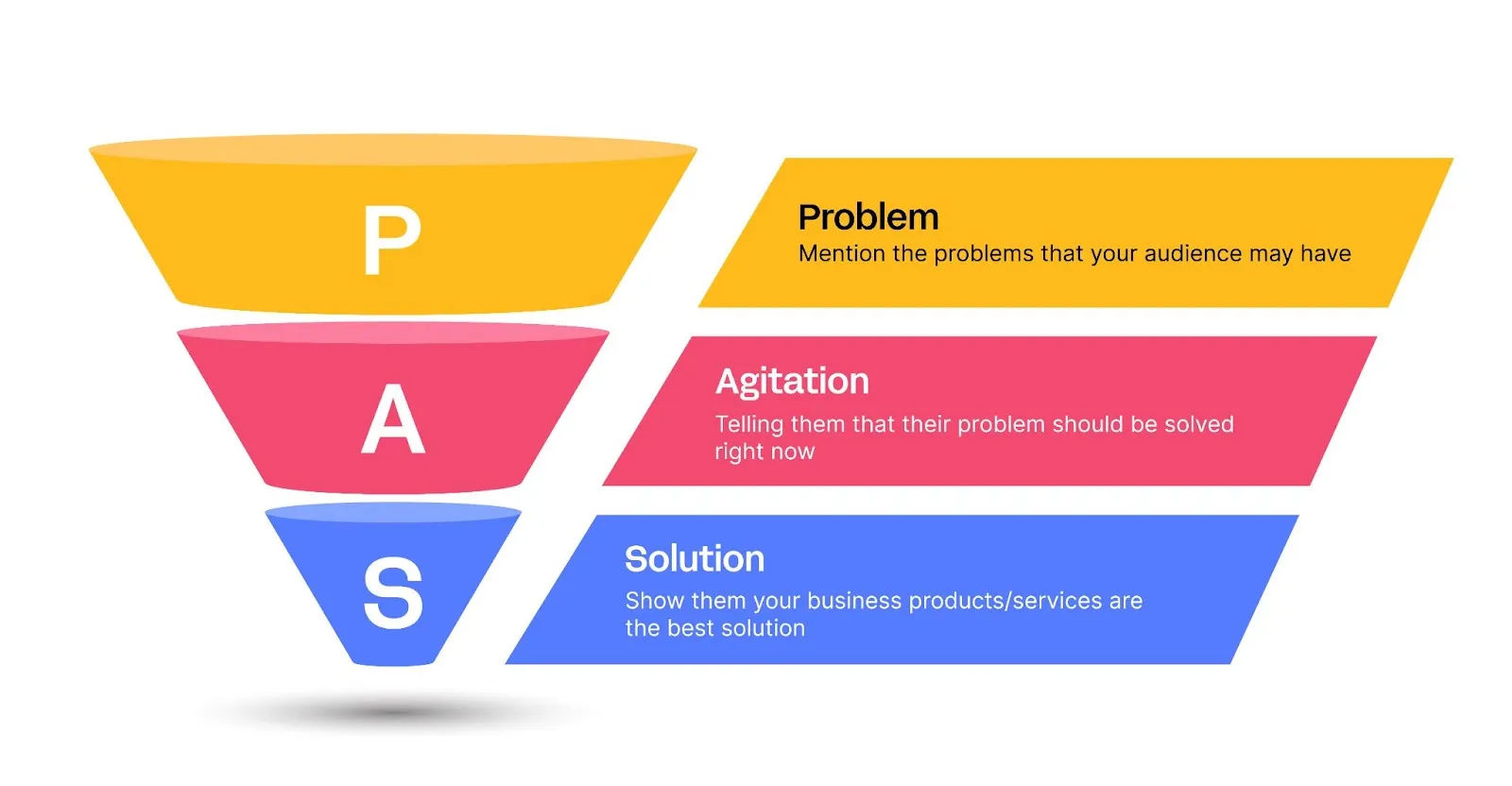
Successful ad copy often follows established persuasive frameworks. Two common models are AIDA (Attention, Interest, Desire, Action), which guides a prospect through a decision-making process, and PAS (Problem, Agitate, Solution), which focuses on resolving a customer's pain point. Analyzing ad copy to identify these structures reveals how competitors craft their core message to resonate with their audience.
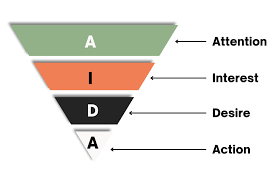 AIDA marketing model: Attention, Interest, Desire, Action."
data-placeholder="aida-model-diagram.webp"
loading="lazy"
/>
AIDA marketing model: Attention, Interest, Desire, Action."
data-placeholder="aida-model-diagram.webp"
loading="lazy"
/>
Interpreting Platform-Specific Nuances
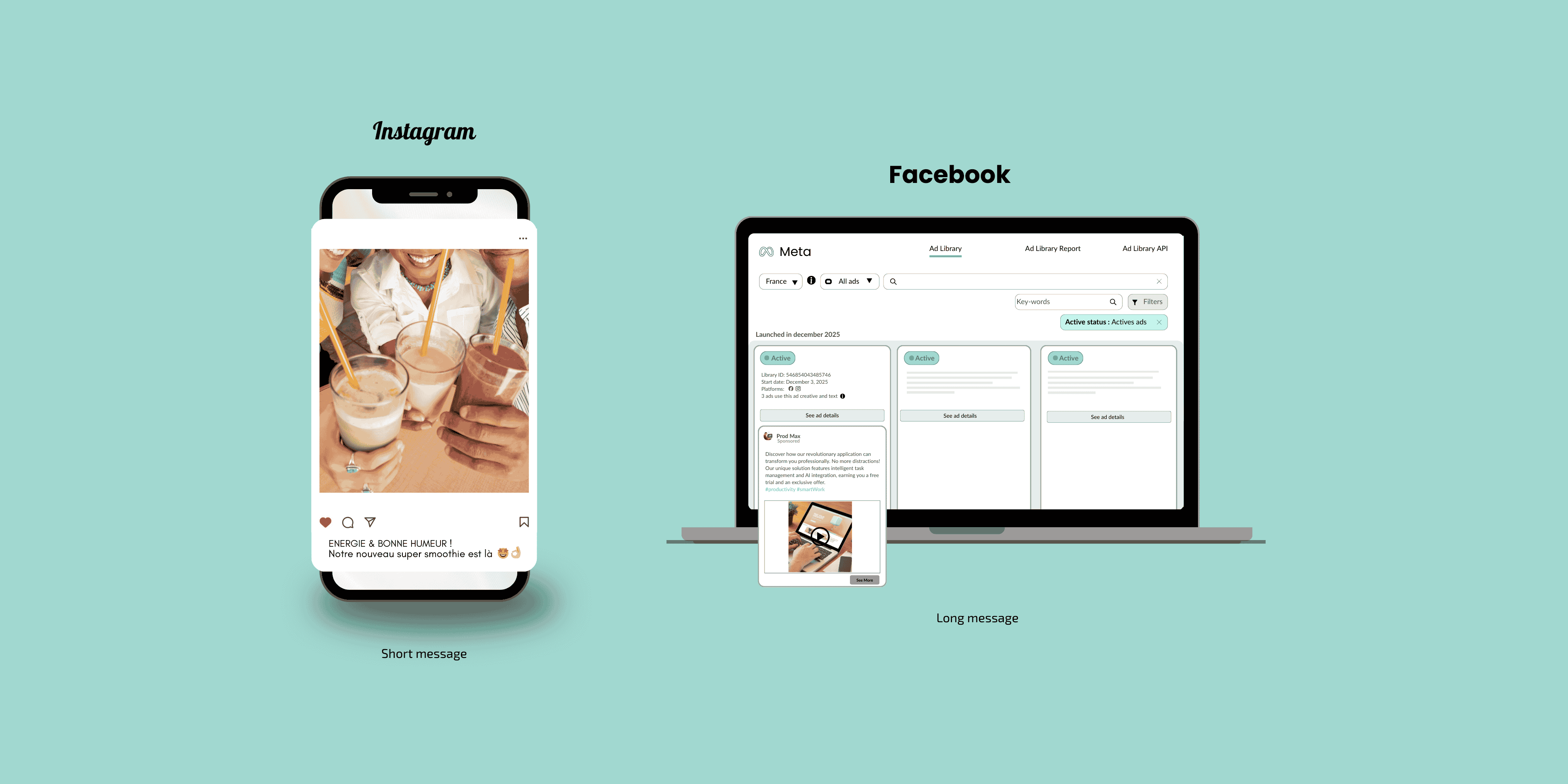
Ads are not one-size-fits-all; their presentation changes based on the platform. On Instagram, the emphasis is typically on strong visuals and concise copy. On Facebook, users may be more receptive to longer, more detailed text that builds a comprehensive argument. Filtering analysis by platform is crucial for understanding these contextual differences.
Deriving Strategic Insights from Ad Data
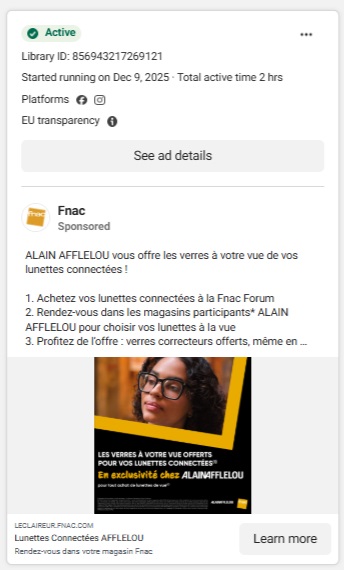
The Ad Library contains several data points that, when interpreted correctly, reveal deeper strategic insights into a competitor's campaign. By analyzing metrics like ad longevity, call-to-action choices, and available targeting information, you can form a clear picture of their goals and priorities. These insights are the bridge between simple observation and actionable campaign hypotheses.
Using Ad Longevity to Identify Top Performers
The duration an ad has been active is a strong indicator of its performance. Advertisers do not continue to invest in campaigns that are not delivering a positive return. Ads that have been running for several weeks or months can be considered proven successes and should be studied closely to understand their core message, offer, and creative execution.
Decoding Funnel Strategy with CTAs
The call-to-action (CTA) button directly states the advertiser's desired outcome for that ad. A "Shop Now" CTA indicates a focus on immediate conversion at the bottom of the funnel. A "Sign Up" or "Download" CTA signals a lead generation strategy, while a "Learn More" button often points to an awareness or educational objective at the top of the funnel.
Uncovering Targeting Clues
While the library hides granular targeting details, it does provide some valuable clues. For some ads, it shows a breakdown of spend by geographic location, age, or gender, revealing an advertiser's core demographic and market priorities. Additionally, observing whether an ad runs only on Instagram can suggest a focus on a younger audience.
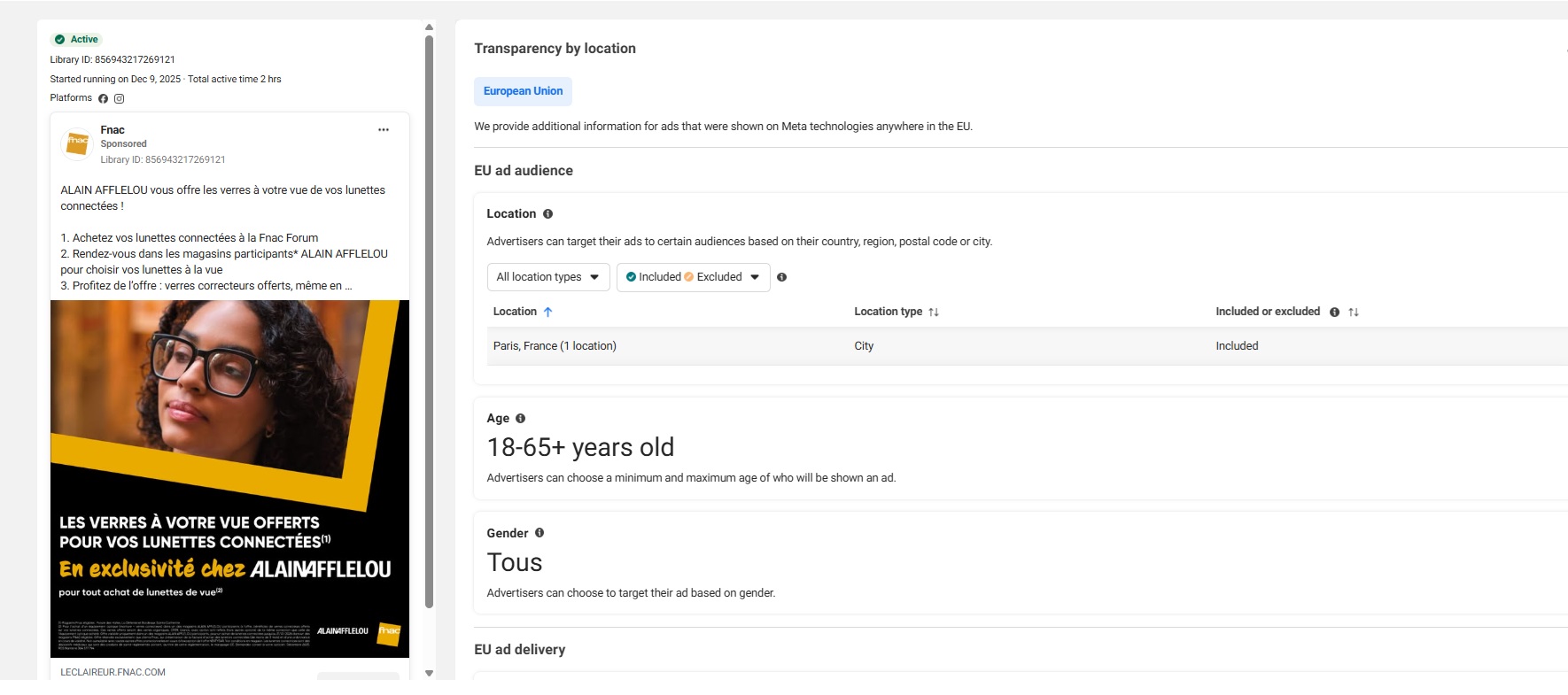 ad spend breakdown by geographical region."
data-placeholder="ads-library-targeting-clues.webp"
loading="lazy"
/>
ad spend breakdown by geographical region."
data-placeholder="ads-library-targeting-clues.webp"
loading="lazy"
/>
Practical Workflow for Competitor Ad Analysis
Follow a structured process to turn ad library browsing into strategic insights. This workflow ensures that research is focused, efficient, and produces actionable outcomes for your own campaign planning.
- Step 1: Define your research objective, such as understanding a competitor's messaging for a specific product or identifying top-performing ad formats in your industry.
- Step 2: Use the advertiser and keyword search functions to gather a relevant set of ads. Start with your closest competitors or brands you admire.
- Step 3: Apply essential filters, including target country and platform (e.g., Facebook, Instagram), to refine the results to the most relevant context.
- Step 4: Analyze the run duration of each ad to isolate the long-running campaigns, as these are the most likely to be profitable and successful.
- Step 5: Deconstruct the top-performing ads by examining their format, visual elements, copy structure (AIDA/PAS), and call-to-action.
- Step 6: Synthesize your findings into a clear, testable hypothesis for your own campaigns, such as "Using a PAS-style video ad will generate more leads than our current image-based ads."
Common Pitfalls in Ad Library Research
While the Ad Library is a powerful tool, misinterpreting its data can lead to flawed conclusions. Avoiding these common mistakes ensures that your analysis remains grounded and strategically sound.
- Mistake: Assuming all ads are equally important. Principle: Prioritize analysis on ads with the longest run times, as they are the strongest indicators of sustained success.
- Mistake: Analyzing ads without platform context. Principle: Always filter by platform (e.g., Facebook vs. Instagram) to understand how creative and copy are adapted for different user behaviors.
- Mistake: Ignoring the call-to-action button. Principle: Treat the CTA as a direct signal of the ad's strategic goal, whether it's conversion, lead generation, or awareness.
- Mistake: Looking for data that isn't there. Principle: Understand the tool's limitations; it will not reveal exact ad spend, ROI, or detailed interest-based targeting. Focus on the available clues.
- Mistake: Focusing only on visuals or copy. Principle: Analyze how visuals, copy, format, and CTA work together as a cohesive unit to achieve a specific objective.
- Mistake: Protecting brand reputation passively. Principle: Proactively search for your own brand name and products to identify unauthorized use of your assets or counterfeit goods.
Related Resources
Further Reading
Related Articles

Ads Library Guide: Competitor Research & Creative Analysis
Learn how to use ad libraries to analyze competitor campaigns, identify winning creative, and refine your advertising strategy.