
Mastering X (Twitter) Ad Creative: Analysis and Strategy for Campaign Success
Learn how to leverage ad intelligence and structured creative analysis to develop high-impact advertising campaigns on the X platform (formerly Twitter). Discover proven techniques derived from top-performing ad examples across various industries.

Sections
The Strategic Role of X (Twitter) in Modern Ad Intelligence
The X platform (formerly known as Twitter) holds significant potential for digital marketers, boasting over 528 million monetizable monthly active users in 2023. Understanding effective ad creative on this network is essential for generating meaningful engagement and return on investment. This guide examines successful campaign strategies and formats utilized on X to inform structured creative research.

Framework for Analyzing High-Performing X Ads
The systematic review of competitor advertising is fundamental to developing successful campaigns. Ad intelligence involves filtering and comparing creative assets across various platforms to distill actionable insights regarding format, messaging, and audience targeting. Effective analysis moves beyond simple observation to structured comparison.
The selection of exemplary ads for analysis relies on specific performance indicators. These criteria ensure that the observed tactics are effective in achieving core marketing objectives.
Key Creative Analysis Criteria
- Ad Script and Messaging: Assessing the clarity, psychological hook, and narrative flow of the written or spoken content.
- Editing Pace and Flow: Evaluating the tempo and dynamism of video or visual presentations to ensure maximum attention retention in a fast-scrolling environment.
- Ad Longevity: Identifying creatives that maintain high performance over extended periods, signaling sustained audience resonance.
- Visual and Emotional Appeal: Analyzing the use of compelling imagery, humor, or cause-related themes designed to evoke a strong emotional response.
- Target Audience Relevance: Determining how closely the ad addresses the core needs, aspirations, or pain points of the intended viewer.
Campaign Hypothesis Formulation through Creative Analysis
By studying successful creative executions on X, marketers can derive structured hypotheses for their own testing workflows. These examples demonstrate diverse strategies, including focusing on convenience, leveraging social proof, creating urgency, and integrating brand messaging with user lifestyle values.
One primary strategy involves reducing user friction by emphasizing accessibility. The online therapy ad shown below, for instance, used a question as a hook and highlighted 24/7 online access, effectively minimizing common barriers associated with traditional services.

Visual demonstrations are crucial, particularly for technical products. When marketing tools like AI photo enhancers, vivid split-screen images showcasing transformation or creative output can speak louder than descriptive copy, illustrating capability without limitation.

Tapping into local consumer culture is another powerful tactic. Custom tailoring advertisements, such as the location-specific suit promotion, establish a sense of exclusivity and belonging by directly referencing a specific region or city lifestyle.

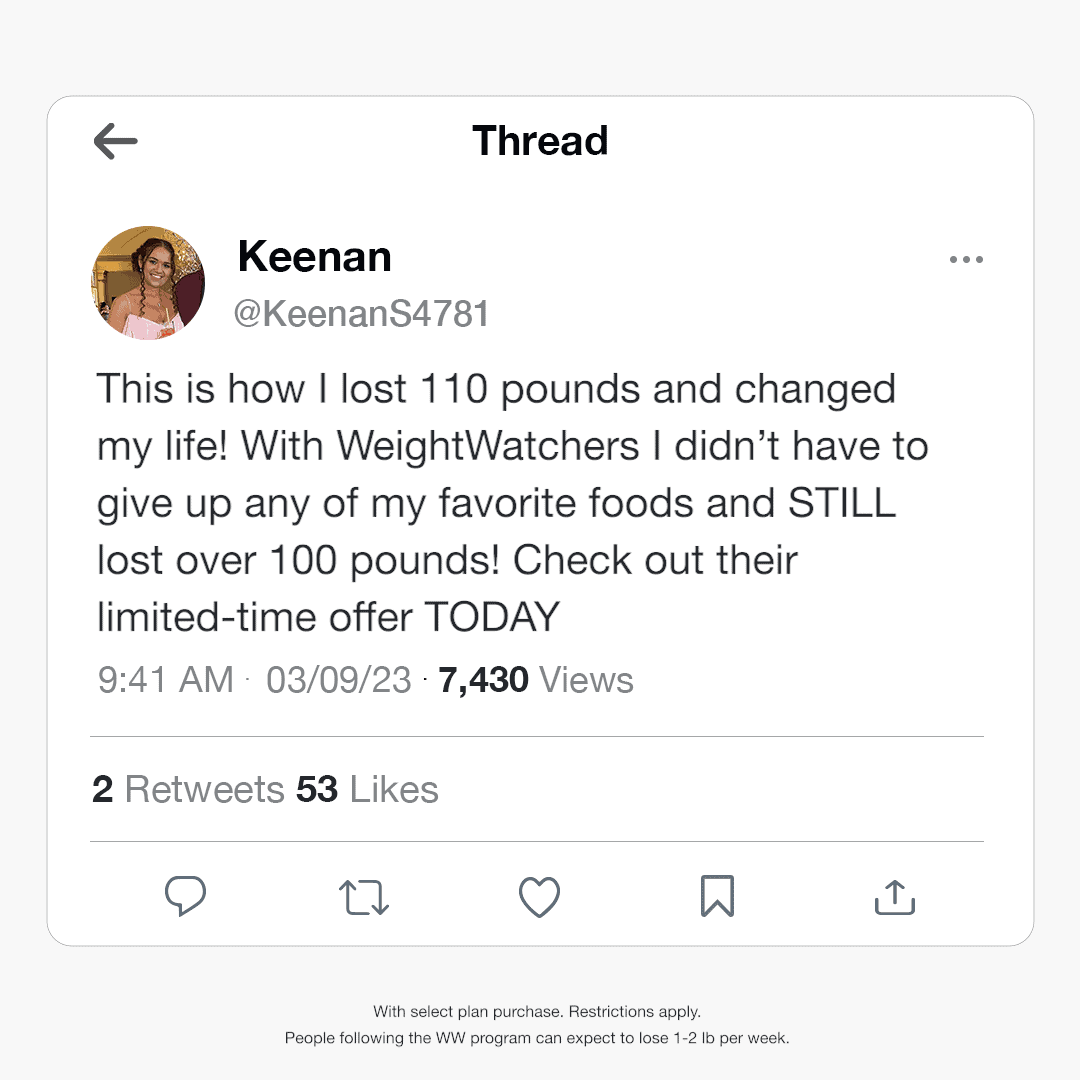
Authentic social proof, often delivered through testimonials, establishes trust. Featuring a customer’s real success story—for example, describing significant health achievements without major sacrifices—makes the program feel sustainable and relatable.
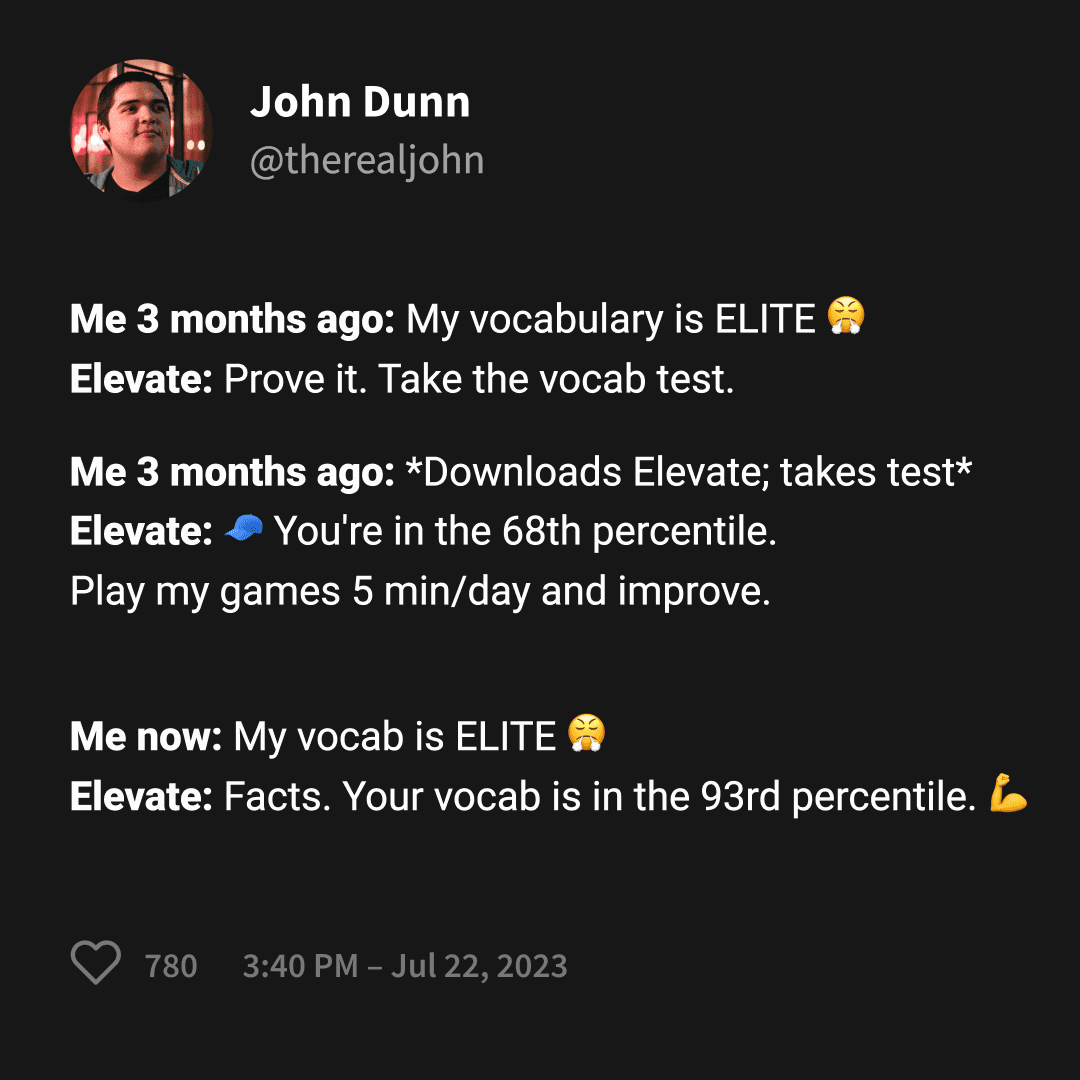
Humor and relatable narratives increase memorability. Ads that use a lighthearted success story, like an educational app demonstrating immediate skill improvement following a humbling initial test, connect with users seeking fun, achievable self-improvement.
Providing valuable resources positions a brand as an expert partner. A web platform directing store owners to a holiday selling guide with a simple checklist reinforces credibility and supports potential long-term business partnerships.

Connecting the product to broader societal concerns, such as environmental impact, attracts conscious consumers. The ad comparing everyday choices visually highlights the brand's commitment to sustainability and waste reduction.

Leveraging third-party credibility through influencer collaborations can significantly boost brand trust and awareness, especially for lesser-known services. Featuring recognized journalists or domain experts adds immediate value to the brand’s message.
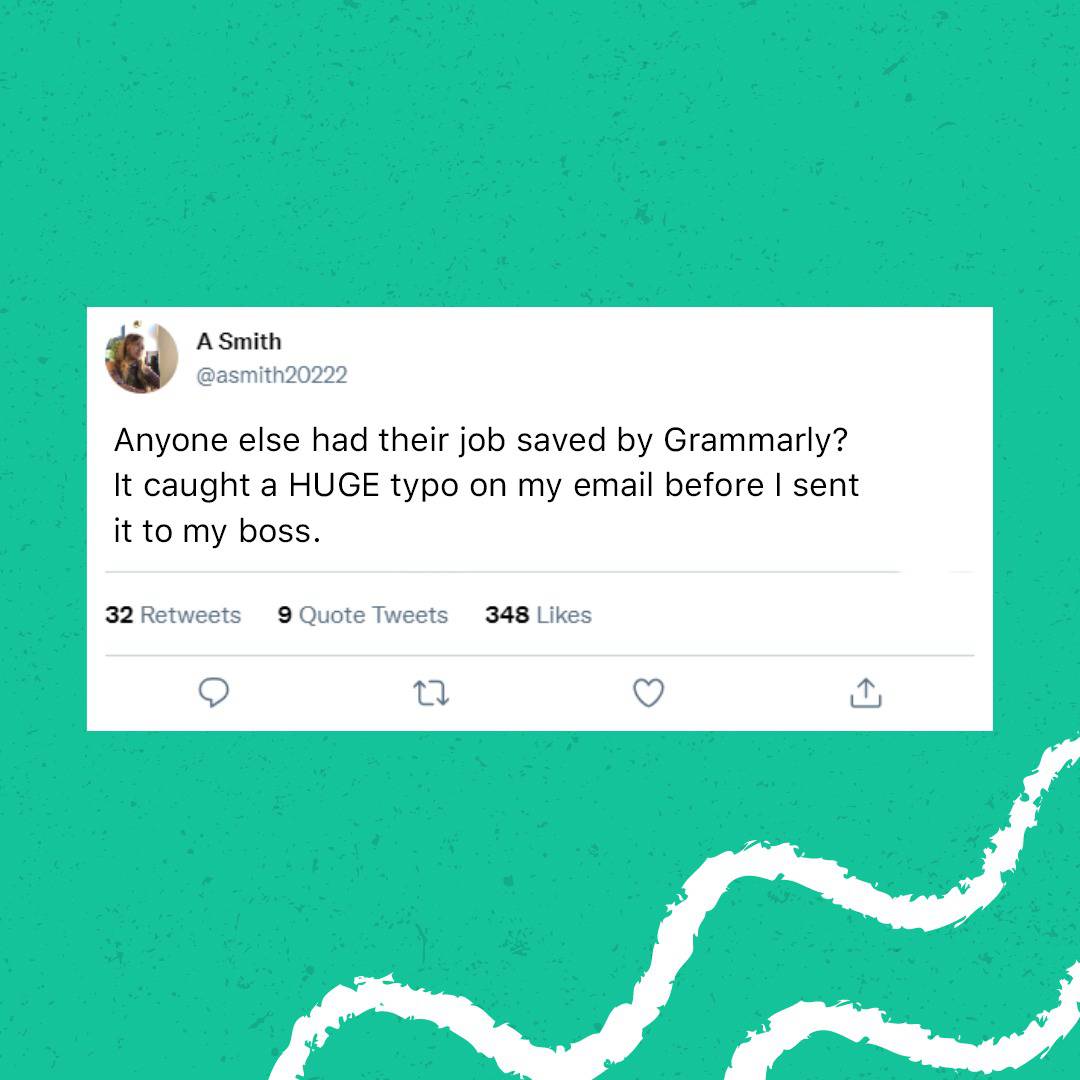
Showcasing real customer experiences to demonstrate immediate product benefits can be highly effective. The writing assistance ad, which uses a relatable scenario of catching a critical typo just in time, highlights the tool’s protective function.
Specific, positive reviews that articulate how a product resolves a common challenge authentically build social proof. A beverage advertisement crediting the organic blend as the "number one reason" for quitting coffee illustrates a clear, healthier solution.

Visual comparison is a robust technique for highlighting feature advantages instantly. Showing a sleek, modern product side-by-side with a bulkier, standard counterpart clearly communicates differences in function and style.

Adopting a user-generated content (UGC) aesthetic helps ads feel less intrusive and more authentic. The travel app, for example, successfully integrated a traveler's photo and a simple caption, implying significant savings are easily accessible.
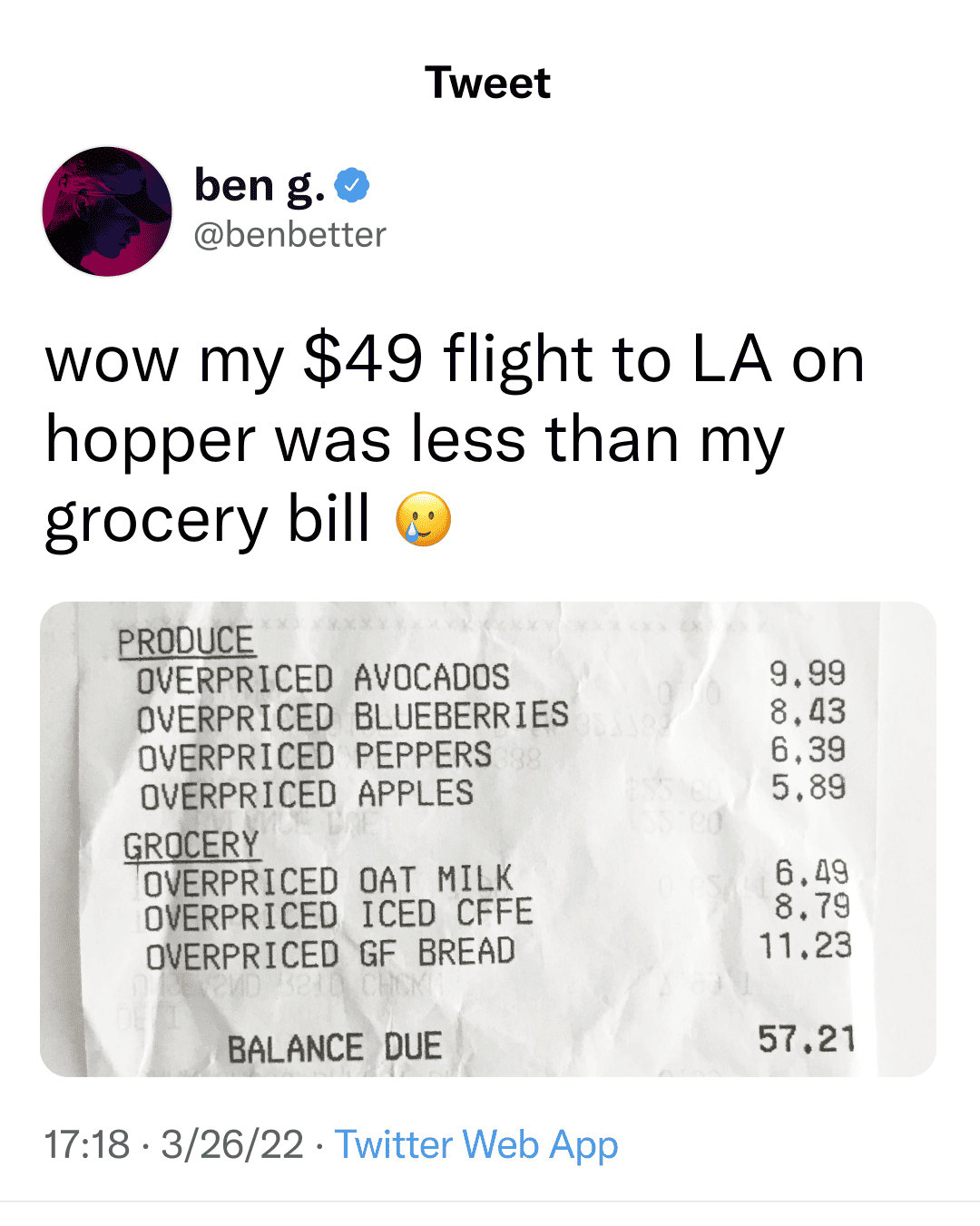
Creating impact requires understanding the target audience’s core aspirations. A platform connecting freelancers with remote opportunities successfully resonated with the desire for freedom and flexibility by featuring imagery associated with the digital nomad lifestyle.

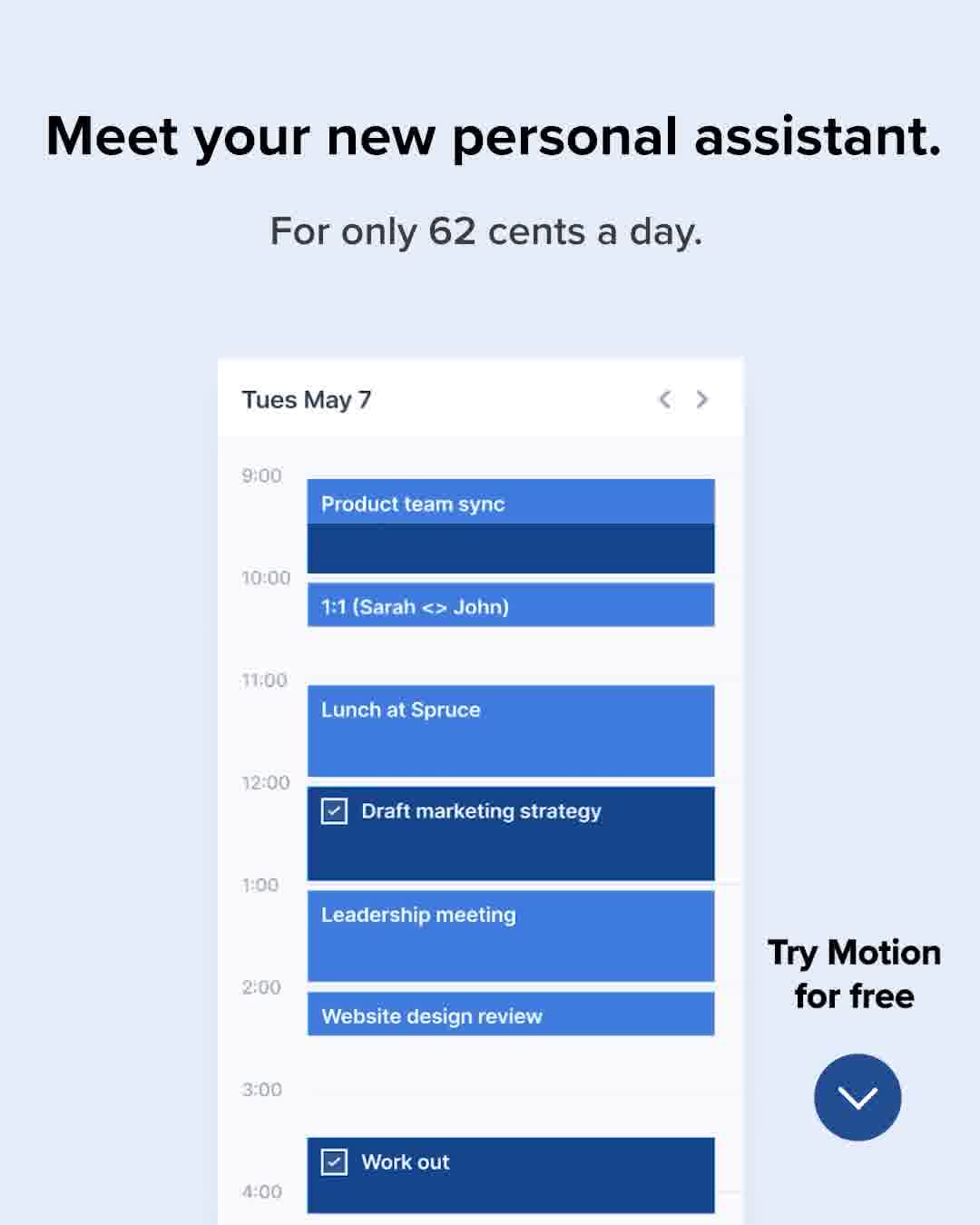
Relatable storytelling, often delivered as a before-and-after scenario, vividly demonstrates practical benefits. The productivity application used a story of someone struggling with meetings being saved by an AI assistant, showcasing work-life balance improvement.
Finally, leveraging powerful imagery and addressing universally important causes can evoke emotion and inspire action. A public health organization successfully utilized symbolic imagery on a key awareness day to connect deeply with its audience.

Practical Workflow for Ad Creative Iteration
Optimizing campaigns on X requires a systematic process for translating competitor intelligence into new, structured creative tests. This process ensures continuous learning and performance improvement.
The following steps provide a practical roadmap for leveraging ad intelligence in campaign execution:
- Step 1: Identify and Filter Successful Creatives: Utilize ad research tools to discover ads with high estimated longevity and audience relevance across X and other platforms (e.g., Facebook, Instagram, TikTok).
- Step 2: Define the Core Messaging Angle (The Hook): Analyze the introductory text or visual elements that immediately capture attention. Determine if the hook uses urgency, a relatable question, humor, or a specific benefit statement.
- Step 3: Structure the Visual Format Hypothesis: Based on successful examples (e.g., comparison photos, testimonial images, short dynamic videos), hypothesize the optimal visual format for conveying the product's value proposition.
- Step 4: Develop Scannable, Concise Copy: Draft ad copy adhering to platform best practices, prioritizing short texts typically between 71 and 100 characters for maximum readability and shareability.
- Step 5: Incorporate a Clear Value Proposition: Ensure the ad copy explicitly states the benefit (e.g., convenience, sustainability, cost savings) and clarifies how the product solves the audience's problem.
- Step 6: Implement Strategic Psychological Triggers: Integrate elements like limited-time offers or exclusivity cues to generate a sense of urgency (FOMO), compelling immediate action.
- Step 7: Specify a Single Call-to-Action (CTA): Conclude the creative with one strong, clear action prompt, avoiding multiple CTAs that could overwhelm or confuse the user.
Common Pitfalls in X Ad Creative Development
Creative testing inevitably involves avoiding common pitfalls that diminish ad effectiveness and budget efficiency. Identifying these mistakes early is crucial for maintaining profitable campaigns.
- Failure Pattern: Relying solely on text-based posts for high engagement. Corrective Principle: X is a highly visual platform; integrate compelling imagery or dynamic video to increase visibility and interaction significantly.
- Failure Pattern: Using vague, open-ended calls-to-action or including too many links. Corrective Principle: Ensure the CTA is singular, clear, and action-oriented (e.g., 'Click the link to learn more,' 'Buy now').
- Failure Pattern: Ignoring psychological triggers like urgency. Corrective Principle: Incorporate time-sensitive phrasing (e.g., 'LAST CHANCE,' 'Limited time offer') to motivate immediate user response.
- Failure Pattern: Creating overly long or dense ad copy. Corrective Principle: Optimize text length; the most effective posts are concise, typically falling between 71 and 100 characters.
- Failure Pattern: Developing creatives that look overtly like traditional advertisements. Corrective Principle: Aim for authenticity by adopting styles that resemble organic content, such as user-generated posts or casual storytelling.
- Failure Pattern: Focusing only on product features rather than user benefits. Corrective Principle: Frame the message around how the product solves a specific user problem, using success stories or relatable scenarios.
Frequently Asked Questions about X Ad Creative
What formats are available for advertising on X?
Brands can utilize a variety of ad formats to communicate their message effectively, including video ads, image ads, and carousel ads. Sponsored posts and promoted trends are also available tools for increasing overall campaign reach and engagement across the platform.
What constitutes "creative" in the context of X advertising?
Creative elements refer to all the visual and written components that comprise the advertisement. This includes the core images, videos, descriptive text, associated hashtags, and links used to attract and entice viewers to engage with the promotional content.
Which types of ads typically perform highest on X?
Ads that combine strong visual elements with concise, catchy messaging generally achieve the best performance. Research indicates that users are heavily focused on visual content, making the combination of compelling imagery and clear copy the optimal formula for maximizing successful engagement.
How can ad intelligence research improve my future campaigns?
Analyzing successful competitor examples teaches the necessity of strong visuals, engaging narratives, and precise CTAs. By studying effective campaigns within your industry, you can identify patterns in messaging and creative formats, allowing for the adaptation of successful strategies into your own structured creative tests.