
The Impact of Military Conflicts on Ecommerce Consumer Behavior
Military conflicts trigger profound shifts in global ecommerce, fundamentally reshaping consumer psychology, spending priorities, and logistical infrastructure far beyond the battlefield.

Sections
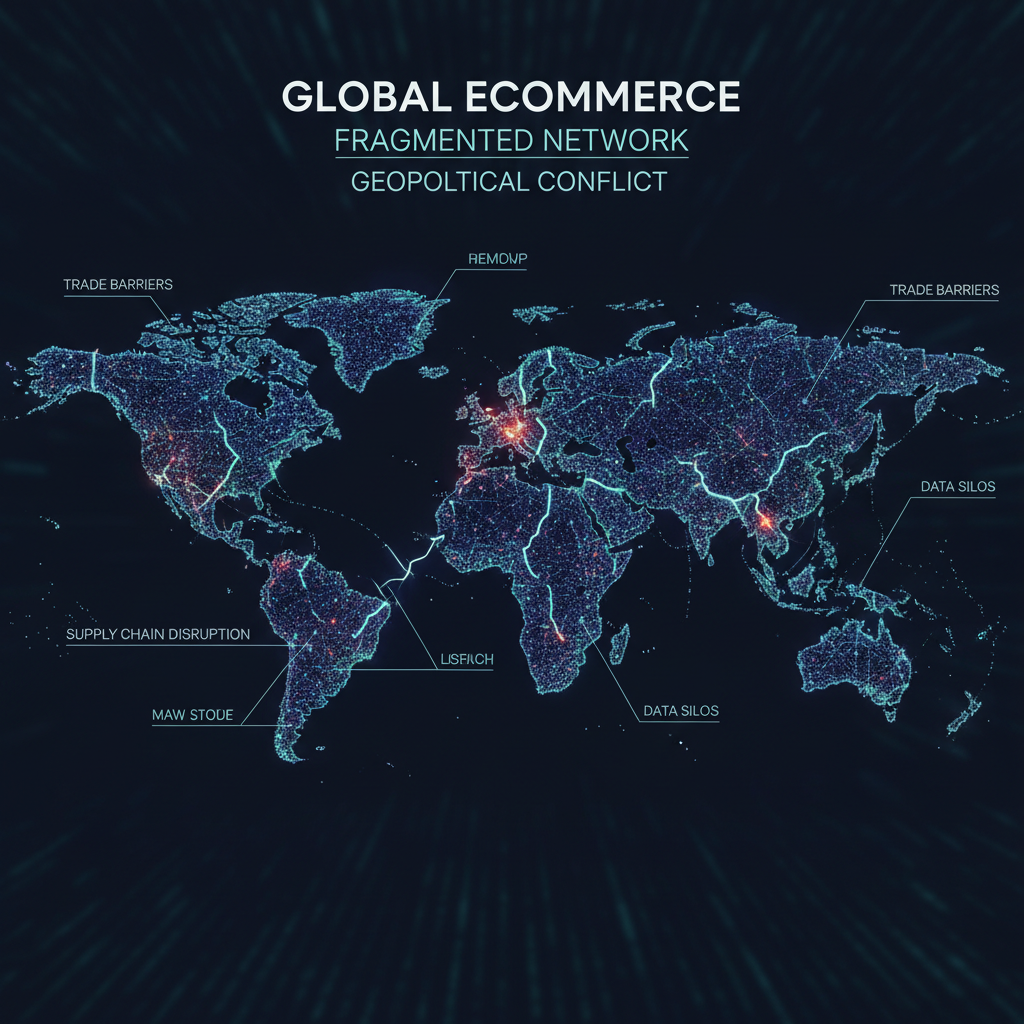
Military conflicts create systemic shocks that extend far beyond immediate combat zones, fundamentally altering the landscape of digital commerce. While physical destruction captures headlines, the ripple effects on consumer psychology and global supply chains represent an equally significant economic phenomenon. Warfare triggers rapid behavioral transformations, forcing merchants and platforms to navigate a volatile environment defined by heightened anxiety and radical shifts in purchasing priorities.
The Psychological Architecture of Wartime Commerce
Conflict operates as a massive psychological disruption that erodes consumer confidence. Research indicates that when stability is threatened, consumer sentiment plummets, replacing rational economic decision-making with anxiety-driven behaviors. This manifests as panic buying and hoarding, where individuals attempt to regain a sense of control over an unpredictable environment by stockpiling goods.
This fear mechanism is not limited to physical war zones. Through digital channels, "fear floods" propagate globally, causing consumers in safe regions to exhibit stress responses similar to those directly affected. Evidence from recent geopolitical tensions shows that even populations geographically distant from combat experience heightened price consciousness and pessimism, often ranking conflict as a primary concern above local economic issues.

Categorical Reallocation: The Shift to Essentials
One of the most consistent effects of conflict is the dramatic reallocation of household budgets from discretionary items to essential goods. During periods of instability, spending on food, medicine, and basic utilities surges, often consuming a significantly larger share of disposable income compared to peacetime. In extreme economic crises triggered by conflict, essential spending can jump from under half to over 80% of household budgets.
Conversely, discretionary categories such as fashion and luxury goods typically suffer immediate collapses in demand. Data suggests that even aggressive advertising in these sectors yields diminishing returns during the early stages of a conflict. However, recovery patterns often follow a hierarchy of needs; once immediate survival is secured, consumers gradually return to purchasing comfort-providing goods, though full discretionary recovery can be prolonged and uneven.
Price Sensitivity and the Erosion of Loyalty
War-induced inflation and economic uncertainty create a "price fog" that heightens consumer sensitivity to cost. Brand loyalty, often built over years, can evaporate in weeks as financially pressured consumers switch to discounters or private-label alternatives. Research highlights that during conflicts, a significant majority of consumers may defect from preferred brands to competitors offering better value.
This erosion of loyalty is driven by both income constraints and a psychological need for value optimization. Loyalty programs based on emotional connection or long-term rewards often fail to retain customers when immediate financial survival is the priority. Instead, consumers actively trade down, seeking tangible savings over brand affinity.
Geopolitical Consumption and Boycotts
Modern conflicts transform shopping carts into political tools. "Geopolitical consumption" describes the phenomenon where purchasing decisions are driven by patriotism, animosity toward adversaries, or ethical positioning. This results in widespread boycotts of brands perceived to be aligned with opposing sides, as well as "buycotts" where consumers actively prefer domestic or allied-nation products.
Multinational corporations often face a binary choice: withdraw from conflict zones and incur operational losses, or remain and risk reputational contagion and global boycotts. Recent events demonstrate that organized consumer activism can inflict measurable financial damage, forcing major global brands to restructure operations or issue corrections to mitigate sales declines.
Infrastructure and Payment Fragmentation
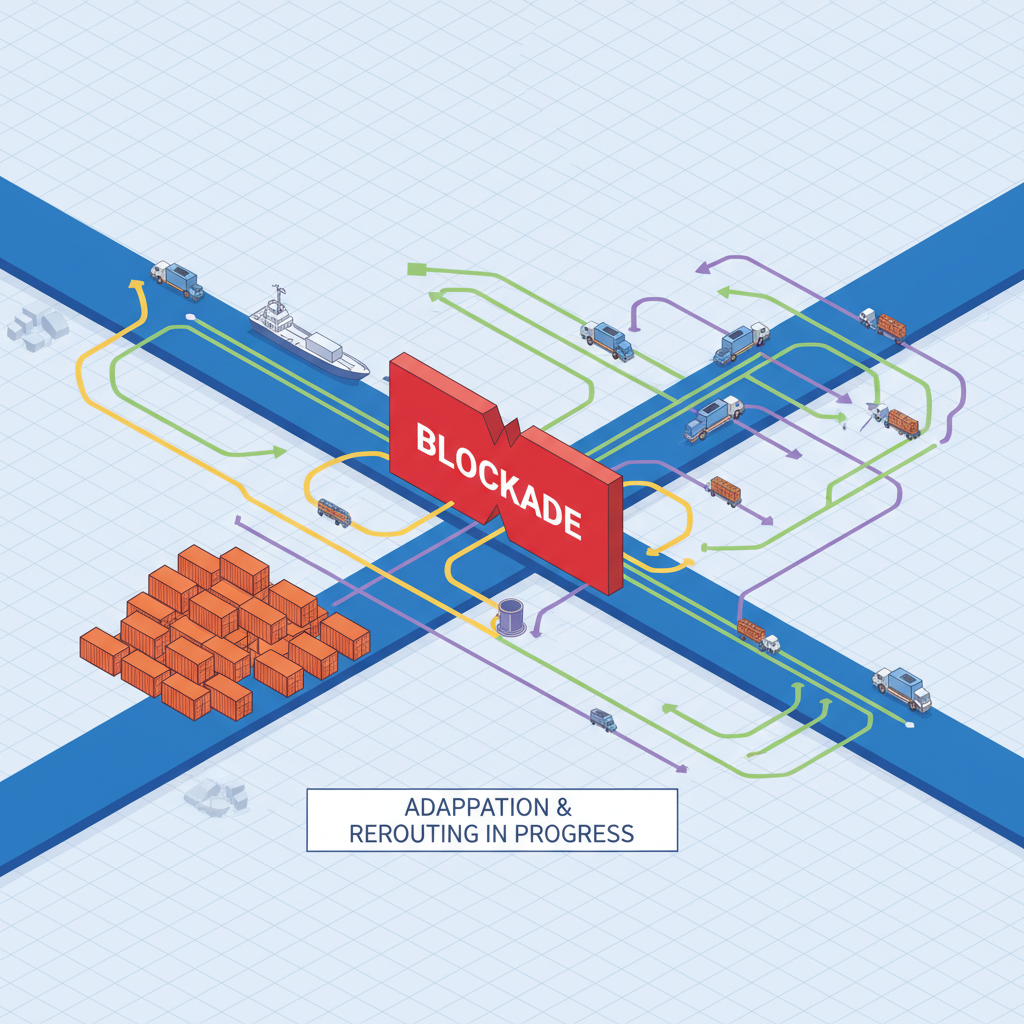
Operational disruption often compounds demand-side shocks. Sanctions regimes and physical blockades fragment the global payments and logistics infrastructure, effectively Balkanizing the digital marketplace. The exclusion of banks from international payment networks and the closure of shipping routes—such as those in the Black Sea or Red Sea—force global trade into longer, more expensive detours.
This fragmentation compels businesses to implement complex compliance screenings and reroute supply chains. The result is often a retreat from a truly globalized ecommerce model toward regional hubs, where trade is conducted within aligned geopolitical blocs to ensure resilience against future disruptions.
Practical Workflow for Navigating Conflict
Merchants and platforms must adopt agile strategies to survive the dual shocks of consumer behavioral changes and operational barriers.
- Step 1: Rebalance Product Portfolios. Rapidly shift inventory focus toward essential goods and comfort items, as discretionary demand is likely to contract immediately upon conflict onset.
- Step 2: Calibrate Pricing for Transparency. Combat "price fog" by clearly communicating value and total costs; avoid aggressive discounting that damages brand equity but ensure competitiveness for essential items.
- Step 3: Diversify Logistics and Supply Chains. Establish redundancy in shipping routes and warehousing to prevent paralysis if primary corridors are blocked or sanctioned.
- Step 4: Implement Sanctions Screening. Integrate real-time compliance tools to filter transactions and prevent violations across fragmented jurisdictions.
- Step 5: Localize Brand Positioning. Adapt messaging to resonate with domestic sentiment, emphasizing local roots or support for the community to mitigate the risk of being viewed as a "foreign" entity.
Common Mistakes in Wartime Commerce
Organizations often misinterpret the severity and duration of conflict-driven shifts.
- Ignoring the Psychological State: Continuing peacetime marketing tones that fail to acknowledge the prevailing consumer anxiety can appear tone-deaf and alienate audiences.
- Over-Reliance on Historic Loyalty: Assuming that long-term customers will remain loyal despite price discrepancies ignores the financial imperatives of a war economy.
- Underestimating Boycott Power: Dismissing consumer activism as temporary noise can lead to permanent reputational damage and structural market share loss.
- Single-Source Logistics: Failing to diversify shipping partners leaves operations vulnerable to single-point failures when geopolitical tensions close specific trade routes.
- Assuming Rapid "Snap-Back": Planning for a quick return to pre-war consumption habits ignores evidence that conflicts often create lasting cohorts of price-sensitive, risk-averse consumers.
Understanding these macro-level shifts in consumer sentiment and supply chain dynamics is critical for adaptation. Platforms like AdLibrary help teams research how competitors and global brands adjust their creative messaging and strategic positioning during periods of geopolitical instability, enabling data-driven decisions in volatile markets.
Related Resources
- scale-ecommerce-brand-revenue">How to Scale an E-commerce Brand
Related Articles

The Impact of AI on Ad Creative Research and Testing
Learn how to leverage modern ad intelligence tools to analyze competitor creative, form data-backed hypotheses, and build effective testing workflows.

The Modern Toolkit: How Ecommerce Uses AI for Creative Research and Campaign Optimization
How ecommerce marketers use AI tools for competitor ad research, creative analysis, and on-site personalization to build high-performing campaigns.

Technical Guide: Executing Facebook Ad Campaigns for Ecommerce
Learn the essential workflows for Facebook Ads in ecommerce, from pixel installation and format selection to creative optimization and copy constraints.