
Optimizing Ad Creative: Applying the AIDA Framework for Conversions
The AIDA framework is a fundamental, four-step model used to design advertisements that guide consumers from initial awareness to final purchase. Understanding Attention, Interest, Desire, and Action helps marketers structure messaging and formats across diverse ad platforms.
-1.jpg%3F2026-01-21T07%3A44%3A02.956Z&w=3840&q=80)
Sections
The AIDA framework has functioned as a central concept in advertising since its development by Elias St. Elmo Lewis in 1898. This purchasing funnel provides a structured approach for creating digital marketing campaigns by aligning ad creative directly with cognitive processes during the consumer journey. Effective ads must address distinct psychological needs at each stage to ensure maximum engagement and conversion.
.jpg)
The AIDA Model Explained: Stages of the Customer Journey
AIDA is an acronym representing the four sequential steps a customer typically moves through before completing a purchase. While the journey is not always perfectly linear, this framework ensures that critical creative elements are not overlooked during campaign development.
Each component of AIDA corresponds to the marketer's objective and the customer's state of mind at that specific moment.
Attention (A): Achieving Initial Awareness
This initial phase focuses solely on interrupting the scroll or the search process to ensure the ad is noticed by the target audience. The customer is asking, "What is this?"
The goal is establishing fundamental brand awareness, not driving an immediate sale. Successful creative at this stage often relies on powerful visuals, disruptive hooks, and highly relevant targeting.
Interest (I): Generating Curiosity and Engagement
Once attention is captured, the ad must provide enough compelling information to sustain engagement. The customer begins shifting their perspective to, "I like this idea."
Creative assets should start addressing common pain points and showcase solutions the product offers. This often involves compelling storytelling or featuring high-level product utility.
Desire (D): Cultivating Emotional Necessity
The desire stage aims to transform mere liking into an emotional investment or a feeling of necessity. The consumer moves to thinking, "I think I need this now."
This phase requires demonstrating the product's unique value proposition and articulating justifiable value for the cost. Social proof and appeals to emotion are crucial components of desire-focused creative.
Action (A): Driving Final Conversion
The final step ensures the consumer takes the desired next step, whether that is making a purchase, signing up, or downloading a resource. This is where the sale or lead acquisition is finalized.
The primary tool for the action stage is a clear, compelling, and visible Call-to-Action (CTA). Friction must be minimized to ensure immediate conversion.
Deconstructing the AIDA Creative Stages
Marketers conducting creative research across platforms like Facebook, Instagram, TikTok, and YouTube often filter for successful ads that excel at specific AIDA stages. Analyzing competitor performance can inform the messaging angles required for each step.
Attention: Securing the Hook
For search engine marketing, attention is captured by ensuring the ad copy matches the user's explicit search query, utilizing targeted keywords in titles and descriptions. In social media advertising, disruptive hooks or eye-catching thumbnails are required to stop rapid viewing behavior.

Creative ideas focus on immediate impact, such as using bold colors, relatable scenarios, or polarizing statements. For instance, a headline like "Dress for Adventure: Style for the Wild" aims purely to lure the viewer into the ad content.
Interest: Capturing Customer Curiosity
Generating interest involves transitioning from the general hook to specific utility related to the consumer's problems. Detailed product features and demonstrations become essential at this stage.
Formats like carousel ads are effective for showcasing multiple product features or benefits systematically. Video ads offer a dynamic way to demonstrate how a product works and solves real-world problems.
To enhance credibility and interest, ads can feature endorsements from industry experts or influencers, providing social proof. Focusing storytelling on a customer pain point ensures relevance before introducing the product as the ultimate solution.

Desire: Establishing Necessity and Urgency
Once interest is established, creative must elevate the product status from "nice to have" to "must have." This often requires leveraging psychological levers.
Establishing an emotional connection through storytelling, music, and compelling visuals helps generate investment. Consumers frequently make purchases based on how the item makes them feel.
Furthermore, building trust through social proof, such as customer testimonials, ratings, or reviews, mitigates perceived risk. Introducing scarcity or time-based offers, such as limited supplies or limited-time discounts, creates a necessary sense of urgency to push action.

Action: Finalizing the Conversion
The action phase is defined by the Call-to-Action, which must be highly relevant to the campaign goal. If the aim is lead generation, CTAs like 'Download Now' or 'Sign Up Now' are appropriate.
The CTA must be clear, straight to the point, and highly visible within the ad format. Critically, the corresponding landing page must deliver a message consistent with the ad and immediately guide the visitor toward conversion.
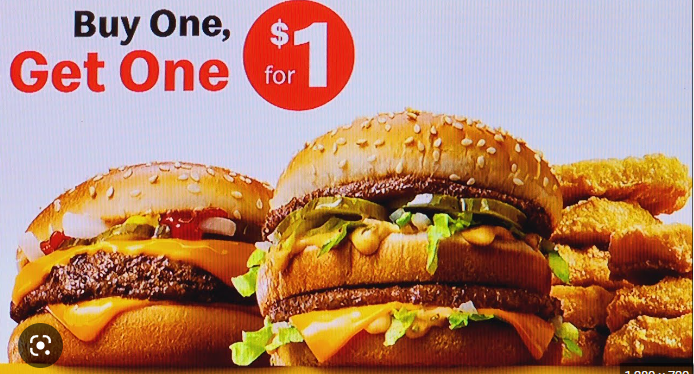
Incentives combined with urgency strengthen the CTA, such as phrases like "Buy now and save 40%" or "Limited time offer—get yours before they’re sold out!"
Practical Workflow: Structuring Ad Creative Campaigns
A structured workflow ensures that ad creative development systematically addresses each phase of the AIDA funnel. This approach facilitates better organization, analysis, and iteration of messaging angles.
- Step 1: Define Target Audience and Goal: Clearly identify the specific consumer segment and the desired action (e.g., purchase, sign-up, download). Understanding the customer profile is essential before drafting any creative concepts.
- Step 2: Develop Attention Hooks: Create multiple headlines, thumbnails, and opening seconds (for video) designed purely to stop the audience. Use filters within ad intelligence platforms to discover high-performing hooks on platforms like TikTok and Facebook.
- Step 3: Map Interest Assets to Pain Points: Structure content—such as video segments or carousel slides—to clearly articulate a problem and introduce the product as the solution. Focus on demonstrating key product features.
- Step 4: Craft Desire-Building Elements: Integrate elements of social proof (reviews, testimonials) and scarcity (limited offers). Ensure visual creative evokes an emotional connection, reinforcing the product's value proposition.
- Step 5: Design a Conversion-Ready CTA and Landing Page: Finalize explicit CTAs (e.g., Shop Now, Learn More) and verify that the destination landing page is optimized for the intended action and message. The page flow must be frictionless.
- Step 6: Launch and Analyze Performance by Stage: Deploy campaigns and track metrics that correspond to each AIDA stage (e.g., Attention: CTR; Interest/Desire: time on page, micro-conversions; Action: final conversion rate).
Common Pitfalls in AIDA Implementation
While the AIDA model is highly valuable, applying it incorrectly can lead to ineffective ad campaigns. Recognizing these common errors helps optimize the creative strategy.
-
Failure Pattern: Jumping directly to Action messaging.
Corrective Principle: If the audience lacks awareness or interest, aggressive sales language will alienate them. Ensure creative is tiered based on the consumer's current relationship with the brand.
-
Failure Pattern: Assuming the buyer journey is always perfectly sequential.
Corrective Principle: Acknowledge that loyal or impulse buyers may skip stages. Design creative that can simultaneously address Interest and Desire if necessary, rather than rigidly segmenting all messaging.
-
Failure Pattern: Over-relying on a single marketing tactic per stage.
Corrective Principle: Understand that one piece of content, like a video ad, can fulfill multiple AIDA stages (e.g., the hook achieves Attention, the product demo builds Interest, and testimonials generate Desire). Aim for integrated creative that moves the user fluidly.
-
Failure Pattern: Focusing exclusively on new customer acquisition.
Corrective Principle: Recognize AIDA's primary limitation is its focus on potential customers. Retaining existing customers requires different strategies, such as loyalty programs or personalized retargeting ads based on purchase history.
-
Failure Pattern: Positioning the CTA poorly or ambiguously.
Corrective Principle: The Action element must be highly visible and utilize specific verbs relevant to the goal. A generic or hidden CTA will reduce conversion rates significantly.
Frequently Asked Questions About AIDA for Advertising
How does AIDA relate to multi-platform ad coverage?
The core principles of AIDA apply universally, but the execution differs based on the platform and format. For example, Attention on YouTube relies heavily on the first five seconds of a video, while Attention on Google Search relies on headline relevance and keyword matching. Creative research tools aid in analyzing successful stage execution across diverse networks like Pinterest, AdMob, and X.
Can ad creative address multiple AIDA stages at once?
Yes, especially in formats like long-form video or elaborate carousel ads. While the framework provides a conceptual structure, highly effective creative often blends elements, such as using an Attention-grabbing hook immediately followed by Interest-generating problem/solution framing. This efficiency is critical for complex or high-price products.
What is the role of competitor analysis in the AIDA process?
Ad intelligence platforms allow marketers to study how competitors structure their creative assets—from messaging angles to media type—at different funnel stages. Filtering ad creatives by media type, platform, or country helps define benchmarks for effective Attention hooks or strong Desire drivers in specific niches.