
Product Selection Framework for Ad Campaigns: Demand, Supply, and Margin
Selecting the right products for paid media requires balancing consumer demand, inventory stability, and unit economics. This guide outlines a framework for evaluating merchandising decisions to maximize campaign profitability.
Sections
Effective media buying requires more than just compelling creative assets; it relies on strategic merchandising and rigorous product selection. Selecting the right inventory for promotion involves balancing three critical factors: consumer demand, supply chain stability, and profit margins, ensuring that campaigns remain sustainable and scalable.
Evaluating Consumer Demand and Seasonality
The foundation of a successful campaign is promoting products that the market currently wants. High-demand items, typically best-sellers, often convert at the highest rates because product-market fit is already established.
Seasonality plays a significant role in demand planning. For instance, apparel inventory like jackets will naturally outperform crop tops during winter months, and ad spend should shift accordingly to match these buying behaviors.
Beyond immediate sales volume, Lifetime Value (LTV) is a crucial component of demand. Some products may be excellent at acquiring new customers but result in low retention, while others might yield lower initial volume but drive consistent repeat purchases. Balancing acquisition drivers with high-LTV products is essential for long-term account health.
Analyzing Supply Chain Constraints
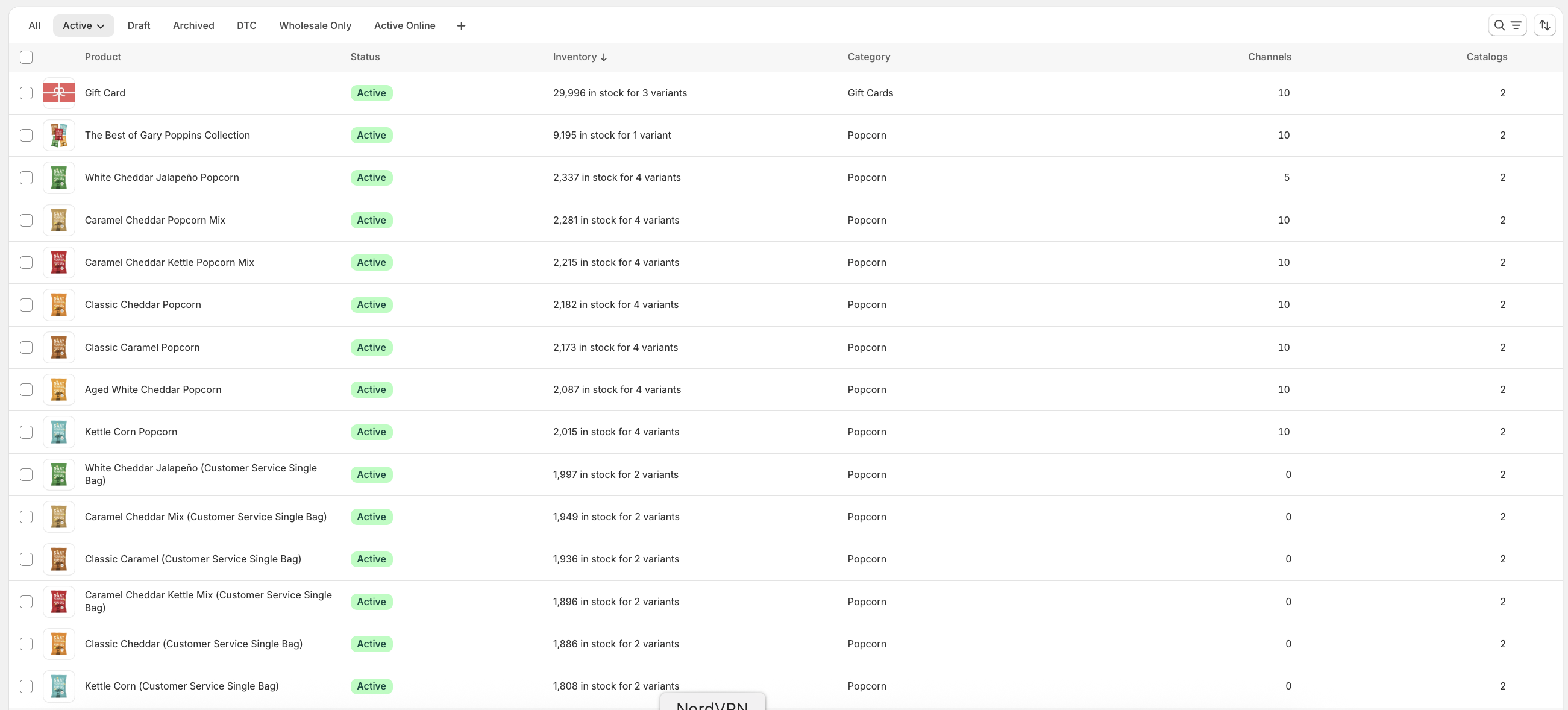
Advertising accelerates inventory depletion, making supply chain analysis a prerequisite for scaling. Marketers must assess whether days of inventory on hand exceed the lead time required to restock.
If ad spend drives sales faster than replenishment allows, the resulting stockouts can damage unit profitability and halt momentum. While selling through inventory aggressively can sometimes be a strategic move to acquire customers, it requires precise planning to avoid long gaps in revenue.
Calculating Unit Economics and Margin
Profitability in paid media is defined by the relationship between Gross Profit and the Cost of Acquisition (CAC). A product is viable for advertising only if the margin supports the ad costs required to sell it.
Example Unit Economics:
- Product Price: $100
- Gross Margin (80%): $80 Gross Profit
- CAC: $40
- Contribution Profit: $40
Even if the first order breaks even or takes a slight loss, a product may still be viable if the LTV from repeat purchases covers operating expenses and yields profit over time.
Strategic Scenarios for Decision Making
By plotting products against demand, supply, and margin, clear strategic paths emerge:
- High Demand, High Supply, High Margin: These are ideal candidates for aggressive ad scaling.
- High Demand, Low Supply: Pause acquisition campaigns. Reserve inventory for high-LTV returning customers until stock levels recover.
- High Demand, Low Margin: High risk for direct ads. Consider using these items in bundles to increase Average Order Value (AOV) or strictly for organic channels.
- Low Demand, Low Margin: Avoid paid support. Clear this inventory through low-cost channels like email or SMS.
Practical Workflow: Validating Product Viability
Before committing significant budget to a new product or campaign, follow this validation workflow to minimize risk.
- Step 1: Audit historical performance. Review sales data to identify best-sellers and products with high repeat purchase rates.
- Step 2: Calculate inventory runway. Compare current stock levels against projected sales velocity and supplier lead times.
- Step 3: Determine break-even targets. Use gross margin data to calculate the maximum CPA allowable for each SKU.
- Step 4: Test via owned channels. Promote the product to existing customers via email or SMS to gauge immediate interest without ad spend.
- Step 5: Launch controlled tests. Begin with a limited ad budget to validate conversion rates before scaling spend.
Common Mistakes in Product Selection
Avoiding these common errors can prevent wasted ad spend and inventory issues.
- Mistake 1: Ignoring lead times. Correction: Always factor in restocking speed; never scale ads for products that cannot be replenished quickly.
- Mistake 2: Focusing solely on frontend ROAS. Correction: Prioritize contribution profit and LTV to understand the true value of a customer acquired through a specific product.
- Mistake 3: Scaling unproven products cold. Correction: Validate demand with existing audiences (warm traffic) before spending on cold acquisition.
- Mistake 4: Overlooking seasonality. Correction: Align product push schedules with historical seasonal trends rather than forcing off-season inventory.
- Mistake 5: Neglecting operational costs. Correction: Ensure margins cover not just ad costs but also variable expenses like shipping and returns.