
Understanding Ad Transparency Libraries and Regulatory Standards
Ad libraries have evolved into essential tools for digital transparency, largely driven by regulations like the Digital Services Act. These repositories allow marketers and users to view active advertisements and verify compliance with modern safety standards.

Sections
Ad libraries have become a standard feature across major social platforms, serving as a critical resource for maintaining a safe and transparent online environment. Driven by regulatory frameworks such as the European Union’s Digital Services Act (DSA), these tools require large platforms to disclose detailed information about the advertisements running on their networks.
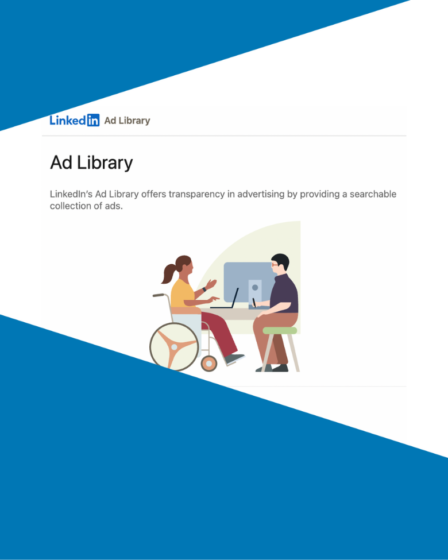 an ad library feature showing transparency options"
data-placeholder="linkedin-ad-library-feature.webp"
loading="lazy"
/>
an ad library feature showing transparency options"
data-placeholder="linkedin-ad-library-feature.webp"
loading="lazy"
/>
The Role of Ad Libraries in Digital Transparency
The implementation of ad libraries is often tied to legislative efforts to protect users from misleading content. For instance, significant phases of the Digital Services Act entered into force on August 25, 2023. This regulation mandates that social media giants provide greater visibility into their advertising ecosystems.
By making ad data accessible, these repositories allow researchers, marketers, and the general public to scrutinize paid content. The primary objective is to foster accountability and ensure that digital advertising adheres to safety standards designed to protect consumer interests.
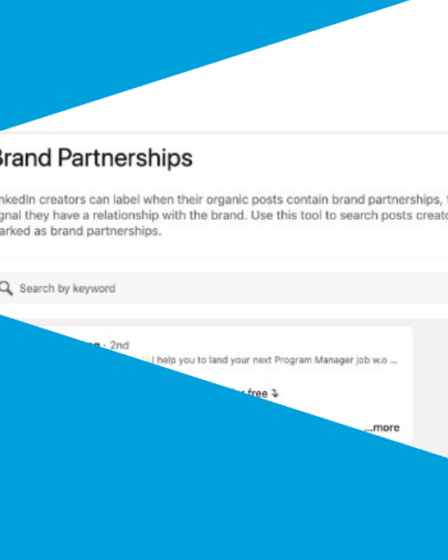
Leveraging Transparency for Market Research
While the regulatory push focuses on consumer protection, ad libraries also serve as powerful research utilities for advertisers. Access to a competitor's active ad inventory provides insights into messaging strategies and creative formats without requiring direct interaction with the ads.
Marketers can observe how brands navigate compliance requirements and adapt their creative assets for different regions. This visibility helps professionals understand the broader landscape of digital advertising, identifying trends in how companies present their products within the bounds of new regulations.
Practical Workflow for Ad Library Research
To effectively utilize ad transparency tools for research and analysis, follow this structured approach.
- Step 1: Identify the specific ad library or transparency tool associated with the platform in question.
- Step 2: Filter results by region to understand the impact of regulations like the DSA on local content.
- Step 3: Review the chronological launch dates of advertisements to gauge campaign duration and recency.
- Step 4: Analyze the creative assets to determine how transparency requirements influence visual and copy choices.
- Step 5: Document findings to inform internal compliance checks and creative strategy development.
Common Mistakes in Transparency Analysis
When using ad libraries for research, avoid these common pitfalls to ensure accurate interpretation of the data.
- Ignoring Regional Nuances: Failing to account for specific regulations like the DSA can lead to misinterpreting why certain ads appear only in EU territories.
- Overlooking Date Context: Disregarding the start dates of campaigns prevents accurate assessment of a strategy's longevity or relevance.
- Assuming Total Completeness: Believing every single historical ad is permanently available; some repositories have retention limits.
- Neglecting Format Variations: Focusing only on static images while missing video or carousel formats that may be driving performance.
- Misinterpreting Compliance Updates: Confusing platform feature updates with mandatory regulatory changes.
Frequently Asked Questions
What is the Digital Services Act (DSA)?
The Digital Services Act is a European Union regulation aimed at creating a safer and more transparent online environment. It establishes obligations for digital platforms to protect users from illegal content and misleading advertising practices.
When did the new phase of the DSA take effect?
The new phase of the Digital Services Act regarding enhanced transparency requirements for large social media platforms began on August 25, 2023.
Why are ad libraries important for users?
Ad libraries provide transparency that helps protect users by allowing them to see who is advertising and what content is being promoted. This visibility is crucial for identifying misleading ads and holding platforms accountable.
Related Resources
Further Reading
Related Articles

ChatGPT Ads Will Change Attribution Before They Change Media Buying
ChatGPT ads are live but attribution-blind. Here's why the measurement gap matters more than the ad format — and what media buyers should do this quarter.

Analyzing Digital Content Formats: A Marketer's Guide to Understanding Online Publication Trends
Learn how to analyze competitor content, from microblogs to corporate sites, to extract marketing insights and build successful campaign hypotheses.

Strategic Pillars for Digital Marketing in 2026: Search, AI, and Brand
Explore essential marketing pillars for 2026, covering topic-first SEO, AI search optimization, agentic commerce, and brand positioning consistency.