
A Strategic Guide to Pruning and Refining Ad Creative
Effective ad creative requires consistent maintenance and care to remain healthy and high-performing. A structured approach to pruning underperforming elements is essential for long-term growth.

Sections
Understanding the Creative Landscape
A successful advertising strategy is like a complex living garden, composed of many different creative elements that require regular maintenance. To keep campaigns healthy and looking their best, it's essential to prune and groom them with a structured, analytical approach.

The competitive advertising space can be viewed as an intricate maze of different messages, visuals, and formats. Each competitor's approach adds unique texture and interest, forming a complex puzzle for audiences to navigate.

Analyzing this landscape involves identifying hundreds of individual creative specimens, from bold, attention-grabbing visuals to subtle, evergreen messaging. Understanding how these elements are combined is the first step toward developing a winning route.
 hook in an advertisement."
data-placeholder="distinct-visual-hook-example.webp"
loading="lazy"
/>
hook in an advertisement."
data-placeholder="distinct-visual-hook-example.webp"
loading="lazy"
/>

Just as a garden contains a variety of plants, an ad ecosystem features diverse creative types. Some are like holly, with high-contrast elements, while others have a more uniform appearance. Each serves a purpose within the broader strategy.


Core Principles of Creative Research
Effective creative optimization relies on thoughtful preparation and the right tools. Before making any changes, it's crucial to establish clear guidelines, similar to how a landscaper uses twine to ensure a precise and even cut.
 reach hedge trimmer to precisely prune the top of a hedge, illustrating the use of specialized tools for creative optimization."
data-placeholder="tools-for-creative-optimization.webp"
loading="lazy"
/>
reach hedge trimmer to precisely prune the top of a hedge, illustrating the use of specialized tools for creative optimization."
data-placeholder="tools-for-creative-optimization.webp"
loading="lazy"
/>

This preparation ensures that every decision is deliberate and contributes to the overall health of the campaign. Setting up these guides beforehand prevents haphazard changes that can harm performance.

Ad intelligence platforms provide the specialized tools necessary for the job. Just as a gardener needs both large loppers for major cuts and fine shears for detailed work, marketers need tools for both high-level trend analysis and granular creative dissection.

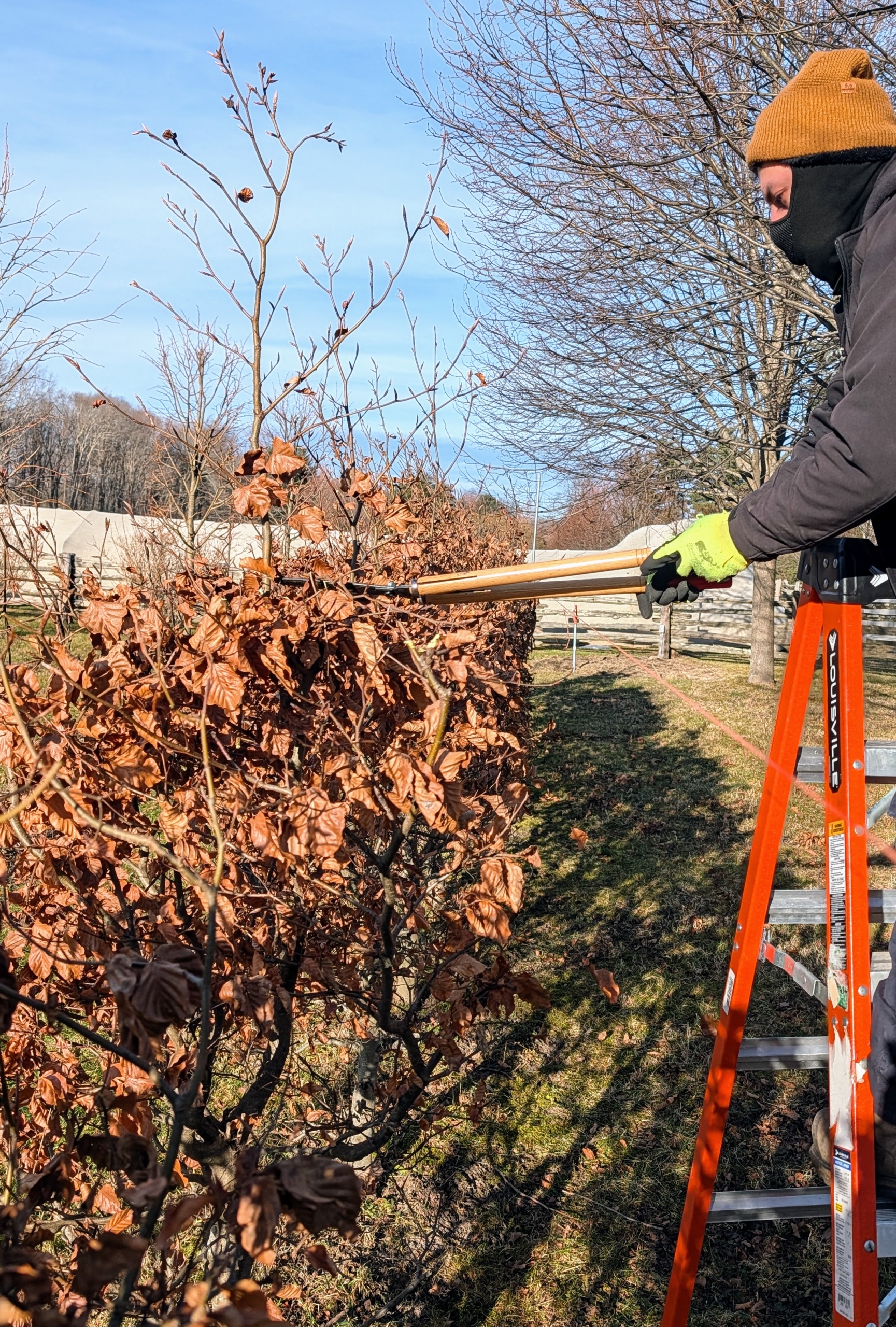 ad copy or visuals."
data-placeholder="specialized-approach-to-refining-ads.webp"
loading="lazy"
/>
ad copy or visuals."
data-placeholder="specialized-approach-to-refining-ads.webp"
loading="lazy"
/>
Analyzing Key Creative Components
Proper and regular trimming of creative assets promotes new growth and improves the flow of information to the audience. This process keeps campaigns aesthetically pleasing and strategically sound.

A precisely groomed creative strategy is not just about removing what doesn't work; it's about shaping what remains into a coherent and effective message.

The process also involves structured cleanup. Learnings from retired ads should be collected and archived, much like garden clippings are raked and added to a compost pile to enrich future efforts.


From Analysis to Actionable Hypotheses
A key part of creative maintenance is trimming elements that consume resources without contributing to the primary goal. This could mean removing an off-brand message or an underperforming call-to-action.
 ad spend or off-brand messaging."
data-placeholder="removing-inefficient-ad-spend.webp"
loading="lazy"
/>
ad spend or off-brand messaging."
data-placeholder="removing-inefficient-ad-spend.webp"
loading="lazy"
/>
Highly structured testing frameworks, like espaliered trees trained to grow against a wire, provide a disciplined way to manage creative variations. This technique ensures that each new element has room to mature while contributing to the overall structure.
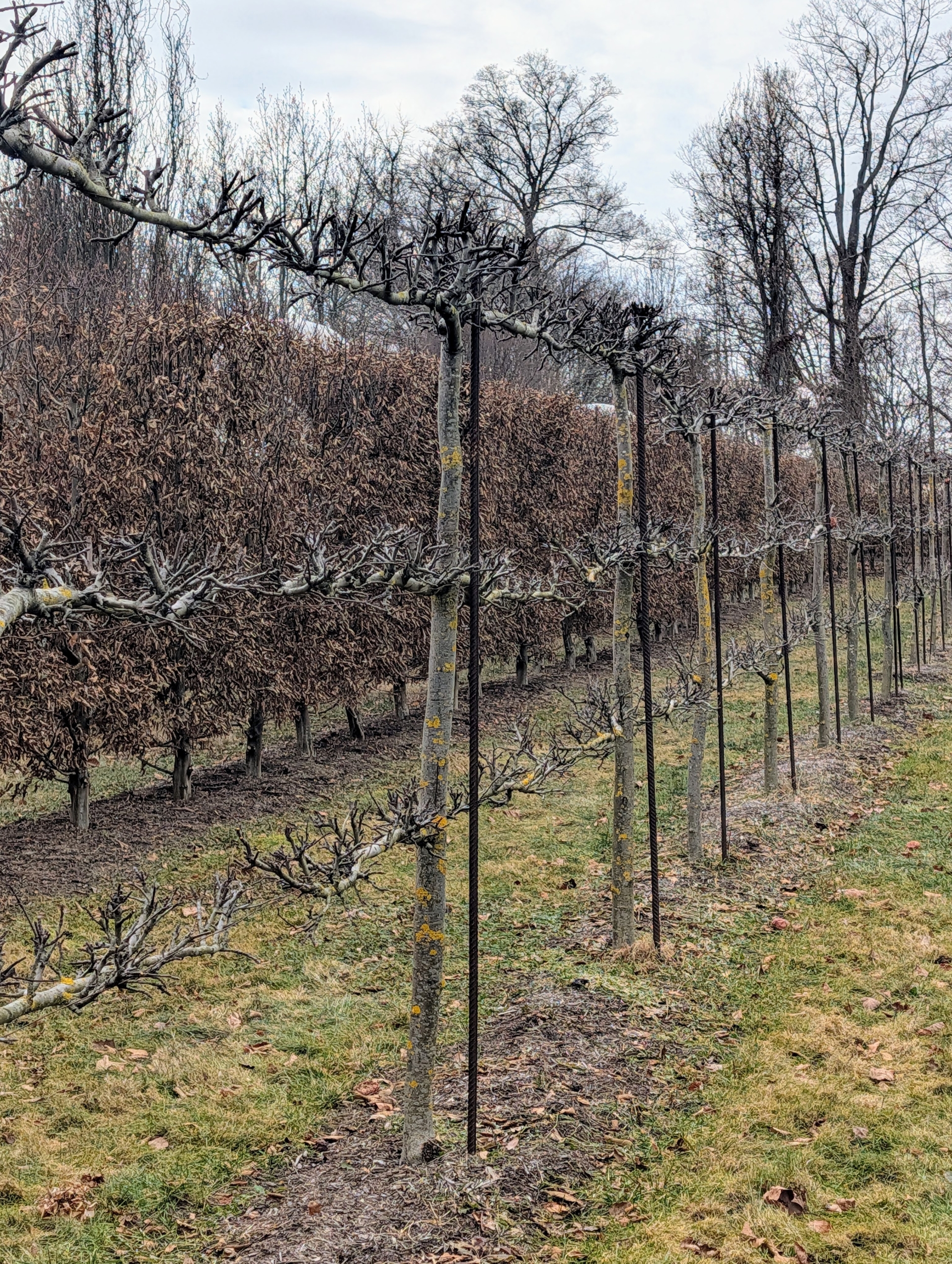
Maintaining consistency is also critical. Every creative asset should be shaped and trimmed to align with brand guidelines, ensuring a uniform and recognizable presence across all platforms.

A Practical Workflow for Creative Optimization
Developing a repeatable process is key to efficient and effective creative management. The goal is to build a system that can scale as your advertising efforts mature, allowing each campaign enough space to achieve its full potential.
 creative strategy."
data-placeholder="scalable-creative-strategy.webp"
loading="lazy"
/>
creative strategy."
data-placeholder="scalable-creative-strategy.webp"
loading="lazy"
/>
- Step 1: Map the Environment. Begin by identifying the core components of your and your competitors' creative strategies. Document the various ad formats, messaging angles, and visual styles in play.
- Step 2: Set Your Guides. Establish clear benchmarks and performance indicators before you begin pruning. Use these data points as your guide to ensure every cut is precise and purposeful.
- Step 3: Prune and Groom. Systematically trim underperforming ads, redundant messaging, and inefficient creative elements. Focus on improving clarity and directing resources toward what works.
- Step 4: Rake and Compost. After trimming, gather all the clippings. Document the learnings from retired creative and archive the data. This "compost" will fertilize future campaign ideas.
- Step 5: Cultivate New Growth. Use the space created by pruning to test new hypotheses. Introduce new creative variations based on your analysis, allowing them to grow within your structured framework.
Creative optimization is not a one-time project but a continuous process. An efficient team can move through this cycle quickly, constantly refining and improving the overall health of the advertising program.

Common Mistakes in Creative Management
Avoiding common pitfalls is as important as following best practices. Here are several mistakes that can hinder the growth and health of your creative strategy.
- Inconsistent Maintenance: Failure to regularly review and prune creative leads to waste and poor performance. Principle: Treat creative optimization as an ongoing, scheduled activity, not a reactive fix.
- Ignoring Foundational Structure: Launching new creative without considering how it fits into the overall campaign structure. Principle: Ensure every new ad has a clear purpose and placement within a well-defined strategy.
- Using the Wrong Tools: Relying on manual processes or inadequate data for analysis. Principle: Equip your team with specialized ad intelligence tools for efficient and accurate insights.
- Lack of Clear Guides: Making cuts and changes based on instinct rather than data. Principle: Always establish clear benchmarks and KPIs before making optimization decisions.
- Forgetting to Clean Up: Failing to document why certain ads were retired. Principle: Maintain a structured archive of past tests and their outcomes to inform future strategy.
- Preventing Air and Light: Overcrowding the ad space with too many similar creatives, leading to audience fatigue. Principle: Give strong concepts room to perform by pruning weaker variations and ensuring creative diversity.
Related Resources
Further Reading
Related Articles

DTC Ad Intelligence: Creative Frameworks That Drive Revenue in 2026
Three proven DTC creative frameworks for 2026 — Hook→Promise→Proof, Problem→Pivot→Payoff, Identity→Tribe→Status — built from live ad intelligence data, not guesswork.

Scaling Shopify Revenue in 2026: The Strategic App Stack for High-Growth Brands
The 2026 E-commerce Landscape: Moving Beyond App BloatIn the current digital advertising environment, the focus for high-performing Shopify stores has shifted f.

Analyzing High-Performing Ad Creative: A Framework for Marketers
A guide to deconstructing high-performing digital ads. Learn to analyze emotional appeal, social proof, and visual strategy to build better campaign hypotheses.

35 High-Growth DTC Subscription Brands to Watch in 2026
The Evolution of Direct-to-Consumer Subscription Models in 2026 Direct-to-consumer (DTC) subscription models have transitioned from simple convenience services .