
Managing Meta Ad Outages: Detection, Response, and Stabilization Strategies
When ad performance drops overnight, distinguishing between creative fatigue and platform outages is critical. This guide outlines how to identify system failures, manage budgets during volatility, and navigate the post-outage stabilization period.

Sections
Unexpected drops in ad performance are a routine challenge for media buyers, but distinguishing between a failed creative test and a platform-wide outage requires a specific analytical approach. Recent disruptions in Meta’s ad delivery systems have highlighted the volatility that can occur when backend infrastructure fails, often leaving advertisers with wasted spend and zero conversions before official confirmations are released.

identifying Silent Outages vs. Creative Fatigue
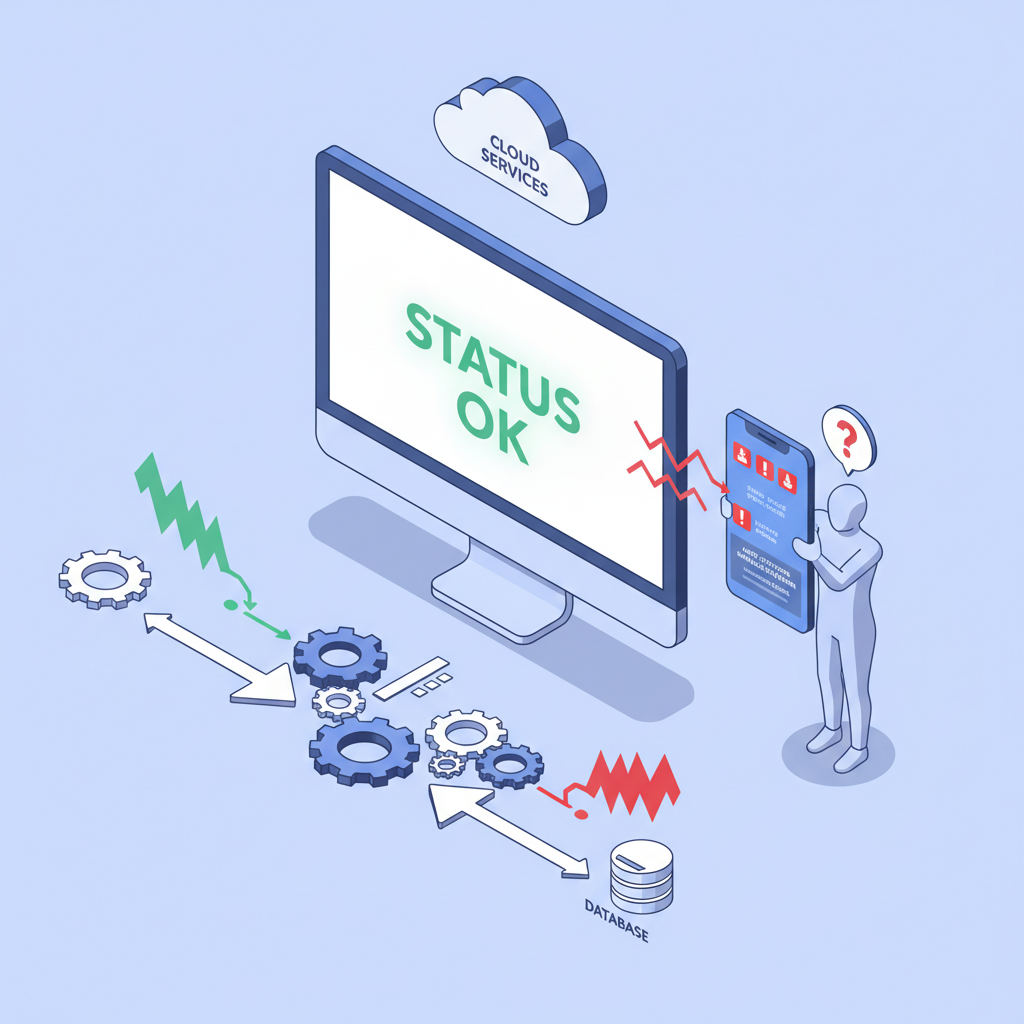
One of the primary frustrations during platform instabilities is the lag between actual performance degradation and official reporting. Advertisers frequently report seeing CPMs (Cost Per Mille) triple or conversions halt completely hours before a status page updates. Relying solely on green status indicators can lead to significant budget waste.
Experienced business owners who monitor metrics on an hourly basis are often the first to detect anomalies. Unlike agency workflows that may review data daily, granular monitoring reveals sudden drops in delivery or spikes in costs that do not correlate with historical trends. If a high-performing account drops 700% overnight without manual changes, it is likely an external infrastructure issue rather than sudden creative fatigue.
To Pause or Not to Pause?
When an outage is suspected or confirmed, the debate centers on whether to pause campaigns or let them run. There are two prevailing schools of thought:
- The Protective Pause: Turning off ads at the campaign or ad set level to prevent inefficient spend. This is common among smaller business owners protecting cash flow. Some advertisers prefer to pause immediately upon noticing sales drops and reactivate only after a full reset period, such as midnight the following day.
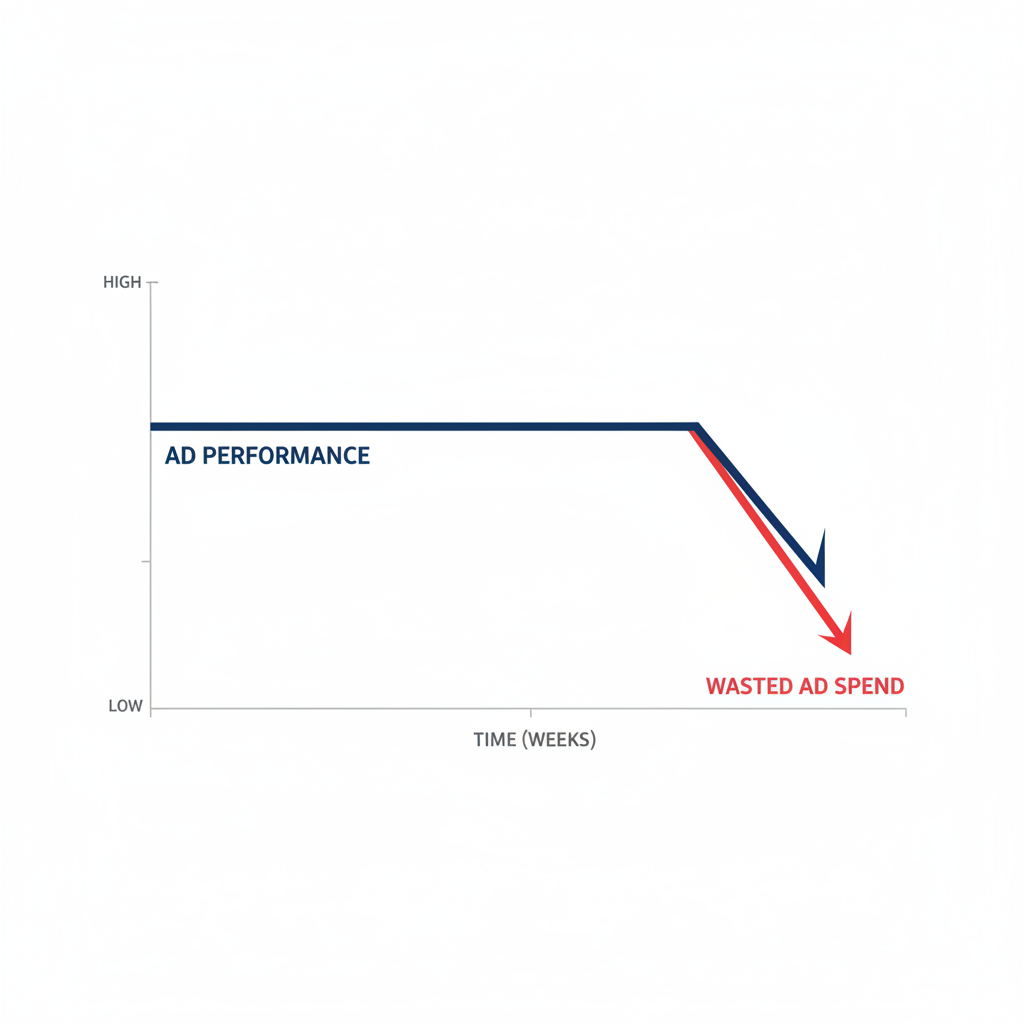
- The Algorithm Continuity: Leaving ads running to avoid resetting the learning phase. However, during severe outages where delivery is fundamentally broken, this often results in spending through daily caps with zero return.
 ad spend" loading="lazy">
The Stabilization Period
A common misconception is that performance returns to normal the moment an outage is marked as "Fixed." Data suggests that the aftershocks of an outage can last from 24 hours to several weeks.
Following a disruption, ad delivery algorithms often require time to recalibrate. Advertisers frequently observe a "post-outage hangover" where performance remains unstable even after the technical issue is resolved. Scaling immediately after a fix is declared can be risky; a period of observation is recommended to ensure CPMs and conversion rates have normalized.
Practical Workflow: Managing Volatility
When performance metrics deviate significantly from the baseline without clear cause, follow this diagnostic workflow:
- Step 1: Check Real-Time Communities: diverse communities often report outages hours before official status pages. Look for consensus on specific issues like "delivery" or "reporting."
- Step 2: Analyze Hourly Metrics: Zoom in on the last 6–12 hours. If spend is pacing normally but conversions have flatlined, it indicates a delivery or tracking severance.
- Step 3: Decide on Budget Protection: If the outage is confirmed, assess the risk. For severe delivery failures, pausing may be necessary to save budget, despite the risk of resetting learning phases.
- Step 4: Monitor for False Positives: Be wary of "auto-enhancement" updates or backend changes that may be rolling out simultaneously, as these can mimic outage symptoms.
- Step 5: Phased Reactivation: Once the system is reported fixed, wait 12–24 hours before increasing budgets or launching new creative tests.
Common Mistakes During Outages
Reacting emotionally or without data during platform instability can compound losses. Avoid these common errors:
- Trusting the Status Page Blindly: Official transparency pages often lag behind real-time issues. Green checkmarks do not always guarantee system health.
- Panic Editing Creatives: modifying ads during an outage confuses the data. If the platform is broken, the creative is likely not the problem.
- Scaling Immediately After a Fix: resuming high spend instantly can lead to inefficiency as the algorithm restabilizes.
- Expecting Automatic Refunds: Ad platforms rarely offer refunds for wasted spend during algorithmic glitches unless the outage is catastrophic and widely acknowledged.
- Ignoring CPM Spikes: A sudden doubling or tripling of CPM is a strong signal of inventory or delivery errors, not just competition.
- Attributing Outages to Bad Luck: Failing to cross-reference data with other advertisers prevents you from knowing if the issue is isolated or systemic.
Understanding the difference between a bad day and a broken system is essential for protecting ad spend. By validating widespread issues through community signals and adhering to a strict stabilization protocol, advertisers can minimize losses during technical blackouts.
For teams looking to validate whether competitors paused activity during suspected volatility, AdLibrary.com offers research tools to analyze active ad duration and historical campaign continuity.
Related Resources
Further Reading
Related Articles
-1.png%3F2026-01-21T07%3A43%3A59.668Z&w=3840&q=80)
Mastering the Meta Ads Learning Phase: Optimization Strategies and Reset Triggers
Learn how the Meta Ads Learning Phase works, why Learning Limited occurs, and strategies for budget calculation and campaign consolidation.

Meta Ad Library: The Complete Guide to Competitor Research
Learn how to use the Meta Ad Library for competitive intelligence. Discover how to analyze active ads, spot creative trends, and build better campaigns.

A Guide to Using the Meta Ad Library for Creative Research
A step-by-step guide to using the Meta Ad Library for competitive intelligence, creative analysis, and developing effective ad campaign hypotheses.

A Guide to Analyzing Competitor Ad Creative Strategies
Learn a step-by-step process for researching competitor ads, analyzing creative elements, and developing data-informed hypotheses for your next campaign.