
What Is a Blog? A Guide to Its Purpose, Types, and Benefits
A blog is a type of website or web page that is regularly updated with new content, typically written in an informal or conversational style.

Sections
A blog, short for “weblog,” is a digital publication on the internet where an individual or group regularly shares information, opinions, or experiences. Blog posts are typically displayed in reverse chronological order, ensuring visitors see the newest content first. What began as simple online diaries has evolved into a central tool for communication, marketing, and information sharing for both individuals and businesses.
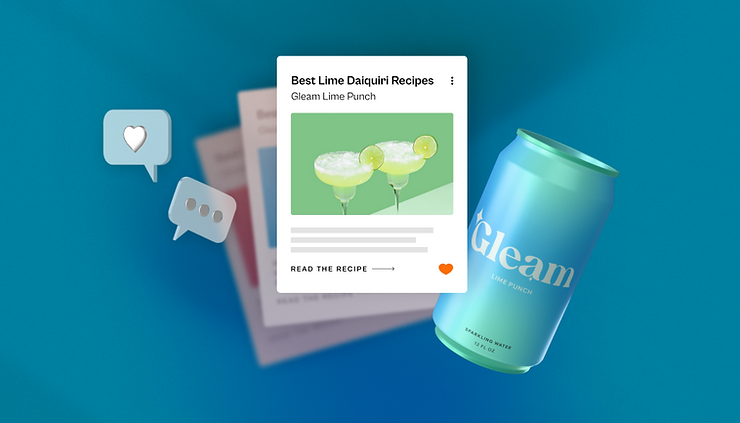
What a Blog Is and Why It Matters
At its core, a blog is a dynamic website focused on publishing content known as blog posts. Unlike more static websites, blogs thrive on frequent updates and are designed to foster conversation and community through features like comment sections. Their conversational tone makes complex topics more approachable and helps build a direct connection with the reader.
Blogs are important because they provide a platform to establish authority in a specific field, drive organic traffic through search engines, and build relationships with an audience. For businesses, a blog is a critical component of inbound marketing, attracting potential customers by providing valuable information. For individuals, it can be a vehicle for personal expression, professional networking, or even a source of income.
Core Components of a Modern Blog
While designs vary, most blogs share a common structure that helps users navigate and engage with the content. These elements ensure a consistent and user-friendly experience for visitors.
Header
Located at the top of the page, the header typically contains the blog's title or logo and a navigation menu. The menu guides visitors to different categories or important pages.
Content Body
This is the main section where blog posts are displayed. Each post includes a title, publication date, and the primary content, which can be a mix of text, images, and videos.
Sidebar
Often found to the left or right of the content body, the sidebar contains supplementary information. Common sidebar elements include a search bar, links to recent or popular posts, category lists, and social media links.
Comments Section
Found below each post, the comments section allows readers to share their thoughts and interact with the author and other readers. This feature is fundamental to building a community.
Footer
The footer is at the bottom of the page and usually includes copyright information, links to privacy policies or terms of service, and other essential navigation links.
Common Types of Blogs
Blogs can cover nearly any subject imaginable, but most successful blogs focus on a specific niche to attract a dedicated audience. This focus helps build credibility and relevance. Some popular blog categories include:
- Lifestyle: Covers a wide range of personal interests and daily life topics.
- Travel: Documents journeys, offers travel tips, and reviews destinations.
- Food & Health: Shares recipes, nutritional advice, and wellness tips.
- Fashion & Beauty: Focuses on trends, product reviews, and styling advice.
- Business & Finance: Provides market insights, financial guidance, and professional advice.
- Technology: Covers the latest tech news, gadget reviews, and software tutorials.
- Parenting: Shares experiences and advice related to raising children.
Key Benefits of Maintaining a Blog
Blogging offers significant advantages for both professional and personal goals. It serves as a powerful tool for marketing, communication, and establishing an online presence.
For businesses, a blog is essential for search engine optimization (SEO), as search engines favor fresh, relevant content. It supports inbound marketing by attracting an audience with useful information rather than direct advertising. Blogs also help keep customers informed about company news, product updates, and industry trends.
For individuals, a blog can establish professional expertise, opening doors for career opportunities. It also provides a platform for monetization through methods like affiliate marketing, advertising, or selling proprietary digital products like online courses.
How to Start a Blog: A Practical Workflow
Launching a blog involves several key stages, from initial concept to ongoing promotion. Following a structured process helps ensure a successful start.
- Step 1: Define Your Niche and Audience. Choose a specific topic you are passionate and knowledgeable about. Identify the target audience you want to reach with your content.
- Step 2: Choose a Platform and Hosting. Select a content management system (CMS) or website builder for your blog. You will also need to register a domain name and secure web hosting.
- Step 3: Design Your Blog. Pick a clean, responsive template that reflects your niche and brand. Customize the layout, colors, and fonts to create a unique look and feel.
- Step 4: Write and Publish Your First Posts. Develop initial content ideas and write several high-quality posts. Start with a catchy title, provide valuable information, and include a clear call-to-action or summary.
- Step 5: Promote Your Content. Share your blog posts on social media platforms and through email marketing to your subscribers. Use SEO best practices to help readers find your blog via search engines.
Common Blogging Mistakes to Avoid
New bloggers often make preventable errors that can hinder their growth. Avoiding these common pitfalls can help a blog succeed long-term.
- Mistake: Overly Promotional Content. Readers visit blogs for information, not a sales pitch. The corrective principle is to focus on providing genuine value and building trust first.
- Mistake: Inconsistent Publishing. An irregular posting schedule can cause readers to lose interest. The corrective principle is to maintain a consistent content calendar to keep the audience engaged.
- Mistake: Ignoring SEO. Writing great content is not enough if no one can find it. The corrective principle is to learn and apply basic SEO techniques, including keyword research and on-page optimization.
- Mistake: Unreadable Text Blocks. Long, dense paragraphs can overwhelm readers. The corrective principle is to break up text with short paragraphs, headings, bullet points, and images to improve readability.
- Mistake: Disregarding the Audience. A blog is a two-way conversation. The corrective principle is to actively engage with readers by responding to comments and soliciting feedback.
Frequently Asked Questions About Blogging
Understanding the fundamentals of blogging helps clarify its role and potential. Here are answers to some common questions.
What is a blog post?
A blog post is a single entry or article published on a blog. It is the fundamental unit of content within a blog and can include text, images, videos, and other media to share information on a specific topic.
How do bloggers make money?
Bloggers can generate income through various channels. Common monetization strategies include displaying ads, using affiliate links to promote products for a commission, publishing sponsored content, or selling their own products and services, such as e-books or consulting.
What is the difference between a blog and a website?
A blog is a type of website where content is updated frequently and presented in reverse chronological order. While all blogs are websites, not all websites are blogs. A standard website is often more static, with pages like a homepage, about us, and services that are not updated as regularly.
Related Resources
Further Reading
Related Articles

How to Start a Blog: A Comprehensive Guide for Beginners
Learn how to create a blog with this easy-to-follow guide. Covers picking a name, getting online, writing content, promotion, and monetization.