
How to Adapt Your SEO Strategy for AI-Powered Search
The rise of AI-powered search engines and generative AI overviews requires a fundamental shift in SEO. This guide outlines five durable strategies to optimize content for conversational queries, build topical authority, and align with the next generation of search technology.

Sections
Understanding the Shift to AI-Powered Search
Search behavior is evolving. Users now pose complex, conversational questions directly to search engines and Large Language Models (LLMs), expecting nuanced, comprehensive answers. As a result, search engines increasingly favor content that demonstrates deep expertise, first-hand experience, and a clear understanding of user intent. Traditional SEO tactics focused on individual keywords are no longer sufficient. A modern strategy must be built around topics, user journeys, and demonstrable authority to earn visibility in this new landscape.

Strategy 1: Aligning Content with Conversational AI
To rank in AI-driven search, content must be structured in a way that AI models can easily parse, understand, and cite as a credible source. This involves moving from a keyword-centric approach to a topic-centric one.
Adopt a Topic Cluster Model
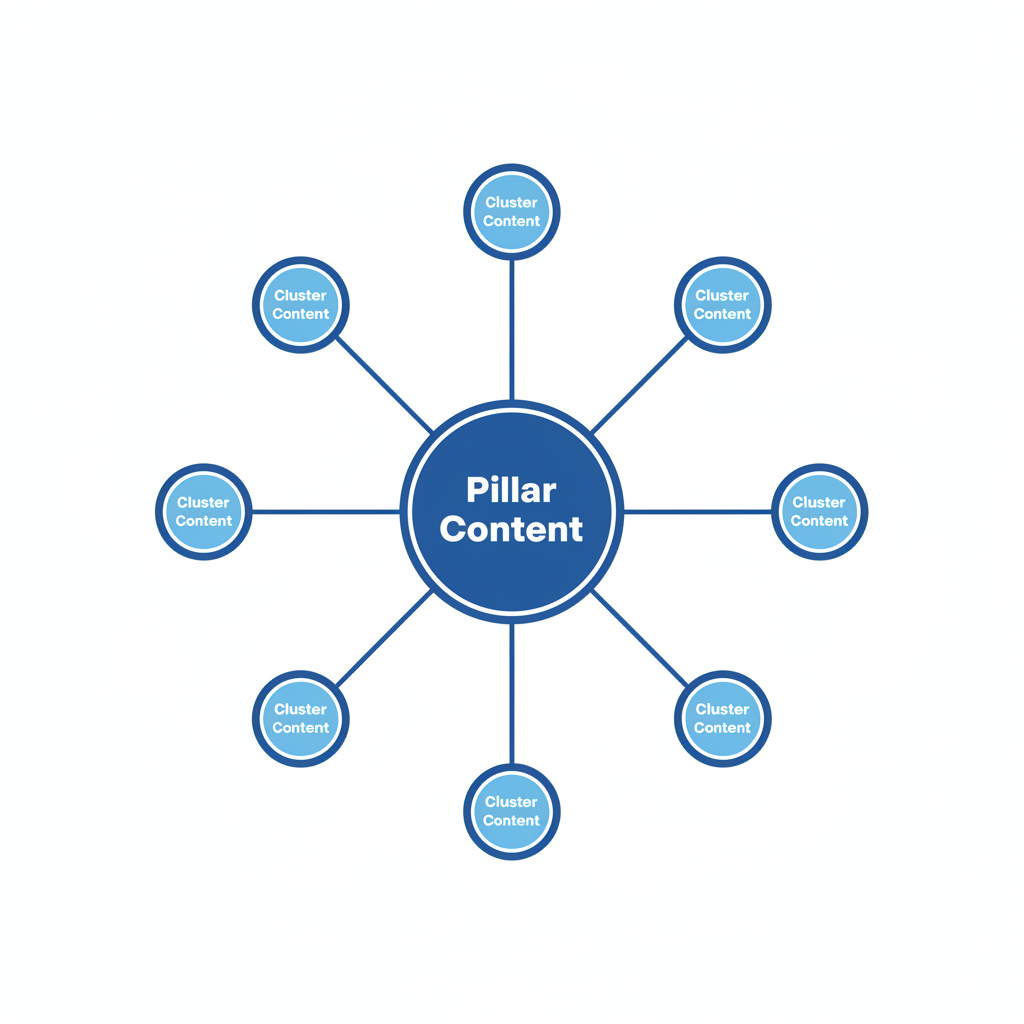
Instead of creating disconnected articles for every keyword variation, organize content into topic clusters. This model consists of a central, comprehensive 'pillar' page covering a broad subject, which links out to multiple 'cluster' pages that explore specific subtopics in greater detail. Each cluster page links back to the pillar page, creating a web of interconnected content that signals deep expertise on the subject to search engines.
Analyze AI-Generated Search Queries
AI search tools can provide valuable insight into how they gather information. When a tool like Perplexity answers a query, it often reveals the underlying web searches it performed. Marketers can analyze these secondary queries to identify critical subtopics and questions to address within their own content. By covering these areas, a website increases its chances of being used as a source for future AI-generated answers.
Prioritize First-Hand Experience and Detail
AI models are designed to synthesize existing information. To stand out, content must offer unique value that an AI cannot generate on its own. This includes sharing first-party data, detailing personal experiences, and providing in-depth, expert analysis. Content rich with unique insights is not only valuable to users but is also more likely to be prioritized and referenced by AI systems.
Strategy 2: Deepening Audience and Intent Research
Effective SEO today requires a sophisticated understanding of the target audience, moving beyond simple demographics to uncover their motivations, challenges, and decision-making processes.
Map Content to the Buyer Journey
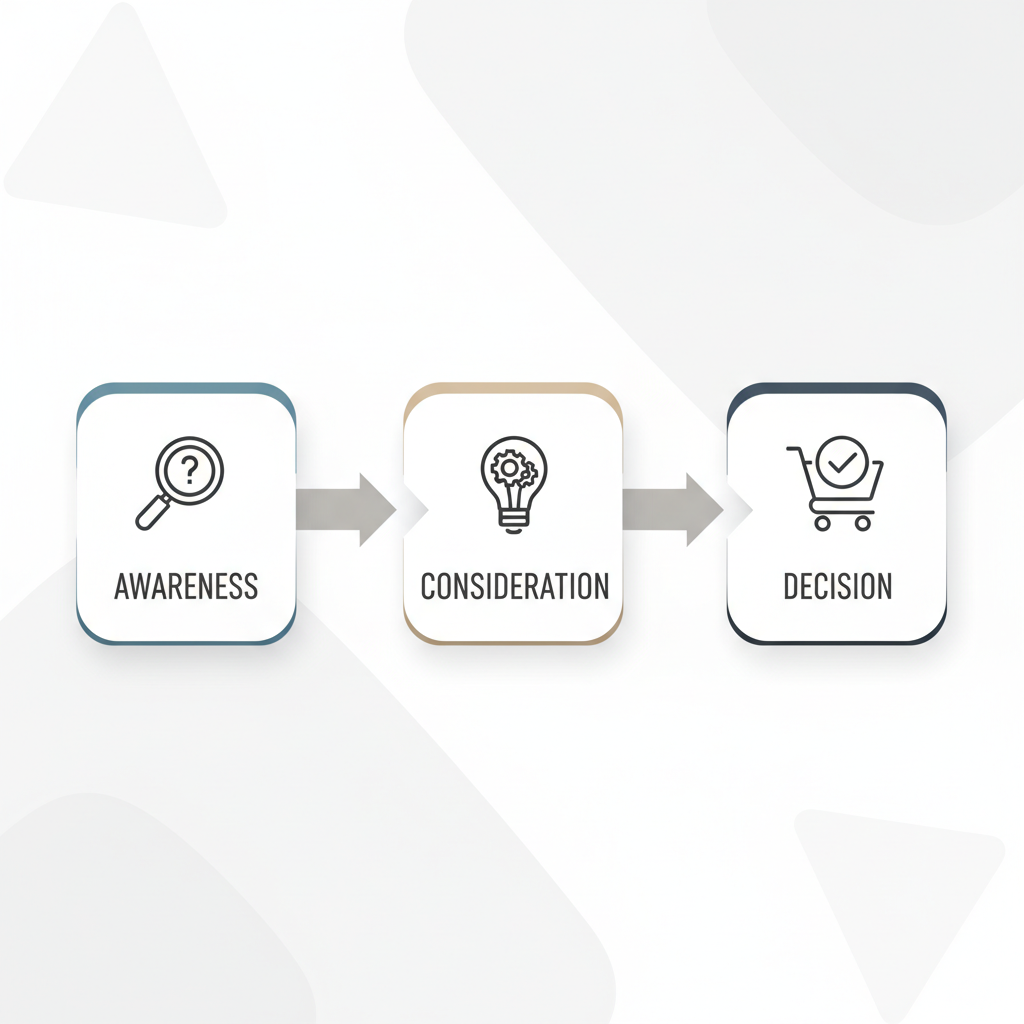
Identify the distinct stages a potential customer moves through, from initial awareness of a problem to the final purchase decision. For each stage, determine the questions they ask and the information they need. Develop content specifically tailored to address these needs, guiding them logically through their journey and building trust along the way.
Leverage Psychographic Profiling
Go beyond demographics (age, location) and focus on psychographics—the values, attitudes, interests, and personality traits of your audience. Use surveys, customer interviews, and analysis of online communities like Reddit to build psychographic profiles. For example, a skincare brand might identify profiles like the 'Skeptical Researcher' who values proven ingredients over trends, or the 'Influenced Newcomer' who relies on peer recommendations. This level of insight allows for the creation of highly resonant content.
Tailor Tone and Messaging
Use psychographic profiles to fine-tune the tone, style, and messaging of your content. For a persona that is skeptical of new trends but trusts peer reviews, content could highlight a product’s proven ingredients while also showcasing positive user testimonials. This nuanced approach ensures that the message connects with the intended audience on a deeper level.
Strategy 3: Integrating Commerce into Content
To maximize the value of organic traffic, especially as AI handles more informational queries, it's essential to seamlessly blend informational content with commercial opportunities.
Embed Actions Directly in Informational Content
Move beyond a simple call-to-action at the bottom of the page. Instead, integrate commercial actions contextually within the content itself. For an e-commerce site, this could mean embedding product modules within a how-to guide, allowing users to add items to their cart directly. For a service business, it could be placing a relevant 'Request a Quote' form within an article discussing a specific problem they solve.
Create Commercially Relevant Topics
Pivot the content strategy toward topics that naturally lend themselves to product or service recommendations. For example, an article about 'developing a morning skincare routine' provides a natural context to feature cleansers, serums, and moisturizers. This approach makes the commercial element helpful rather than intrusive, improving user experience and driving conversions.
Strategy 4: Capitalizing on Seasonal Trends
Nearly every business is affected by seasonality, which can be a powerful driver of customer interest when anticipated and leveraged correctly.
Identify Your Business's Seasonality
Look beyond obvious holidays. Seasonality can be driven by weather changes, tax deadlines, school schedules, or industry-specific cycles. Analyze search trends data to identify recurring peaks and troughs in interest related to your products or services.
Conduct Seasonal Keyword Research
Use tools that show search interest over time to discover what your audience is searching for during different seasons. A lawn care company, for instance, would find that users search for 'lawn aeration' in the spring but 'winterizing the lawn' in the fall. This allows for proactive content planning.
Time Content Publication and Optimization
Publish new content or refresh existing articles in the weeks leading up to a seasonal peak. This gives search engines time to index and rank the content just as user interest is beginning to surge. This timely approach can also increase visibility in discovery-based feeds like Google Discover, which often surface fresh, relevant content.

Strategy 5: Building Unshakeable Trust and Authority
In a world of AI-generated generic information, trust and authority are paramount. Businesses must lean into their unique expertise to become the definitive source of information in their niche.
Showcase In-House Expertise
Attribute content to real, credible experts within the organization. Create detailed author bios that highlight their experience and qualifications. Tapping into a founder's personal story or a lead engineer's technical knowledge adds a layer of authenticity that AI cannot replicate.
Generate Original Data and Insights
Become a primary source of information by conducting original research. This can be done by surveying customers, analyzing internal data, or conducting industry studies. Publishing unique statistics and findings makes the business a go-to source for journalists, researchers, and AI models seeking credible data to cite.
Develop Helpful Tools and Resources
Create value beyond written content by developing free tools, calculators, templates, or in-depth ebooks. For a mortgage broker, this might be a mortgage eligibility calculator. These resources serve as powerful assets for attracting links and demonstrating a deep commitment to helping customers, which builds immense trust.
A Practical Workflow for AI-First SEO
Implementing these strategies requires a structured approach. Follow this step-by-step workflow to modernize your SEO program.
- Audience Research: Begin by developing detailed psychographic profiles and mapping out the complete buyer journey for each key segment.
- Topic Ideation: Brainstorm broad topic clusters based on audience needs and pain points, not isolated keywords.
- AI Query Analysis: Use AI search tools to identify the specific questions and subtopics that need to be covered within each cluster.
- Content Creation: Produce detailed, expert-driven content that offers unique insights. Attribute articles to credible authors.
- Commercial Integration: Thoughtfully embed relevant product links or lead-generation forms directly within the content.
- Strategic Publication: Align your content calendar with identified seasonal trends to maximize visibility during periods of high interest.
- Authority Building: Actively promote original research, tools, and expert authors to build backlinks and establish thought leadership.
Common Mistakes to Avoid
As you adapt your strategy, be mindful of these common pitfalls:
- Focusing on single, high-volume keywords while ignoring the user's broader intent and journey.
- Creating generic, surface-level content that can be easily replicated by AI and provides no unique value.
- Ignoring psychographics and creating one-size-fits-all content that fails to resonate with any specific audience segment.
- Keeping content and commerce separate, forcing users to navigate away from helpful information to make a purchase.
- Failing to showcase unique, first-party expertise, making your brand appear indistinguishable from competitors.
Putting It All Together: The Integration Effect
While each of these five strategies is powerful on its own, their true potential is unlocked when they are integrated into a cohesive program. A deep understanding of your audience informs the topic clusters you build, which are then timed with seasonality, embedded with commercial actions, and backed by expert authority. Furthermore, the most successful digital marketing programs integrate SEO and content with other channels, such as conversion rate optimization (CRO), email marketing, and paid media, to create a holistic growth engine.
Related Tools
Frequently Asked Questions
How is SEO for AI search different from traditional SEO?
SEO for AI shifts the focus from individual keywords to comprehensive topic coverage and user intent. It prioritizes creating high-quality, expert-driven content structured for conversational queries, rather than simply optimizing for specific search terms.
What is a topic cluster in content strategy?
A topic cluster is a content architecture where a central 'pillar' page provides a broad overview of a topic. This pillar page links to multiple 'cluster' pages, each covering a specific subtopic in detail, which in turn link back to the pillar, signaling deep expertise.
Why are psychographics important for SEO?
Psychographics reveal the 'why' behind user behavior—their values, interests, and motivations. This understanding allows you to create content with a tone and message that deeply resonates with your target audience, improving engagement and building brand affinity.
Can content-driven commerce work for B2B or service businesses?
Absolutely. Instead of embedding products, a service business can embed contextual calls-to-action within their content. For example, a blog post about a complex problem can include a link to book a consultation or download a relevant case study.
How can a small business create original data for authority building?
Small businesses can create original data by surveying their existing customer base or email list, analyzing their own internal sales or operational data for unique trends, or partnering with another local business to conduct a small-scale industry poll.
Key Terms
- AI Overviews
- AI-generated summaries that appear at the top of Google's search results to provide a direct, concise answer to a user's query, often synthesizing information from multiple web pages.
- LLM (Large Language Model)
- An advanced artificial intelligence system trained on vast amounts of text data, designed to understand, generate, and respond to human language in a conversational way.
- Topic Cluster
- A content strategy where a central 'pillar' page on a broad topic links to multiple 'cluster' pages that cover related subtopics in greater detail, creating a strong internal linking structure.
- Pillar Page
- A comprehensive, authoritative piece of content that serves as the central hub for a specific topic cluster, providing a broad overview and linking to more detailed sub-pages.
- Buyer Journey
- The multi-stage process a potential customer goes through, from initial awareness of a problem or need (Awareness), through evaluation of solutions (Consideration), to making a purchase (Decision).
- Psychographics
- The classification of people according to their psychological attributes, such as attitudes, aspirations, values, and other criteria, used to inform marketing and content strategy.
- First-Party Experience
- Information and insights derived directly from an individual's or organization's own experiences, data, or expertise, rather than being aggregated from external sources.