
How to Master Social Media SEO: A Guide to Discovery and Ranking
User search behavior has fundamentally shifted from traditional search engines to social media platforms. This guide explains how to adapt your strategy for social media SEO, focusing on content that gets discovered, indexed, and ranked effectively on networks like Instagram, TikTok, and YouTube.

Sections
Why Social Media SEO is Essential
For many users, particularly younger demographics, social platforms are the new search engines. Billions of searches occur daily on platforms like Instagram and YouTube, often for product research, reviews, and how-to guides. If your content is not optimized for these environments, your brand remains invisible during critical moments of discovery.
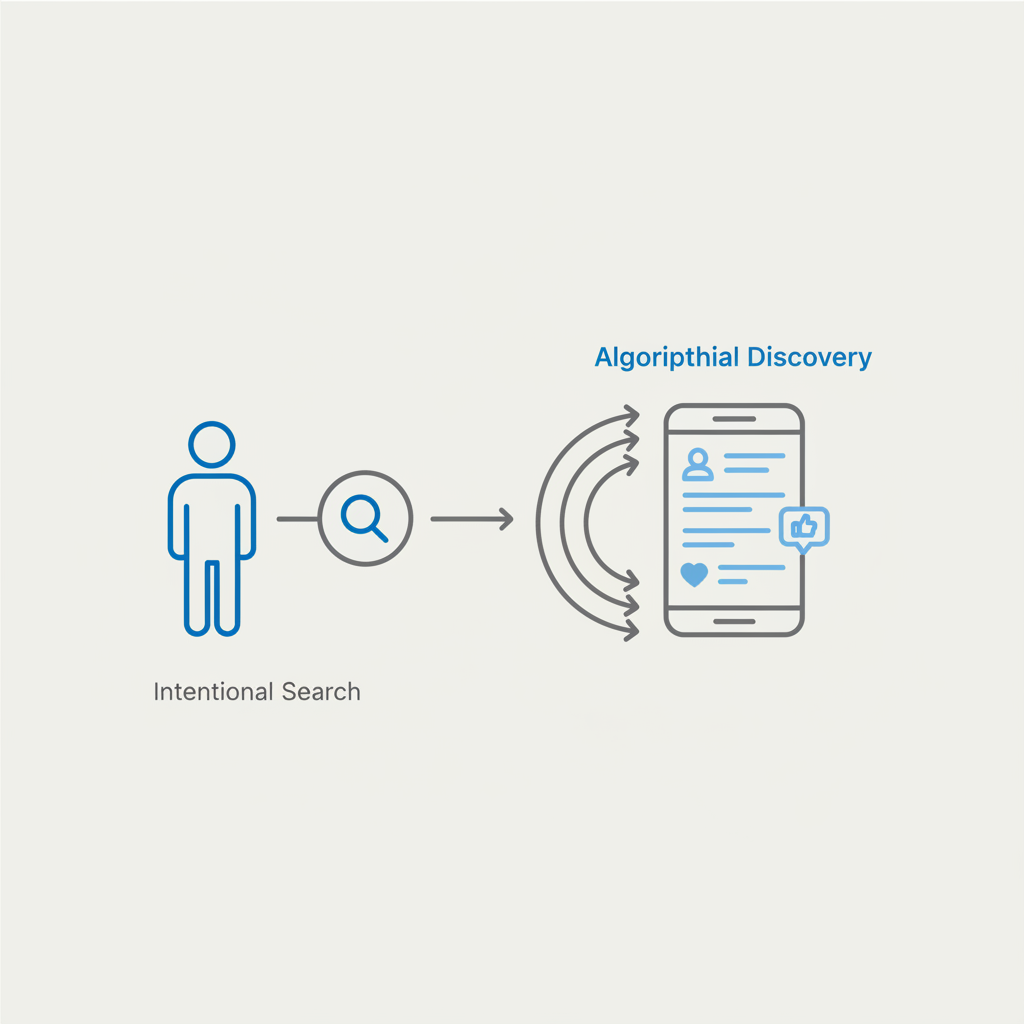
The Shift from Intentional Search to Feed-Based Discovery
Traditionally, SEO targeted users with existing intent who typed queries into a search engine. Today, discovery often happens passively within the social media feed. Algorithms surface solutions to problems users haven't actively searched for yet, shaping their preferences before they ever open a browser. This means content must be designed to interrupt the scroll and provide immediate value, answering a question before it's formally asked. The goal is to win visibility inside the feed, not just in the search bar.
How Users Search on Social Platforms
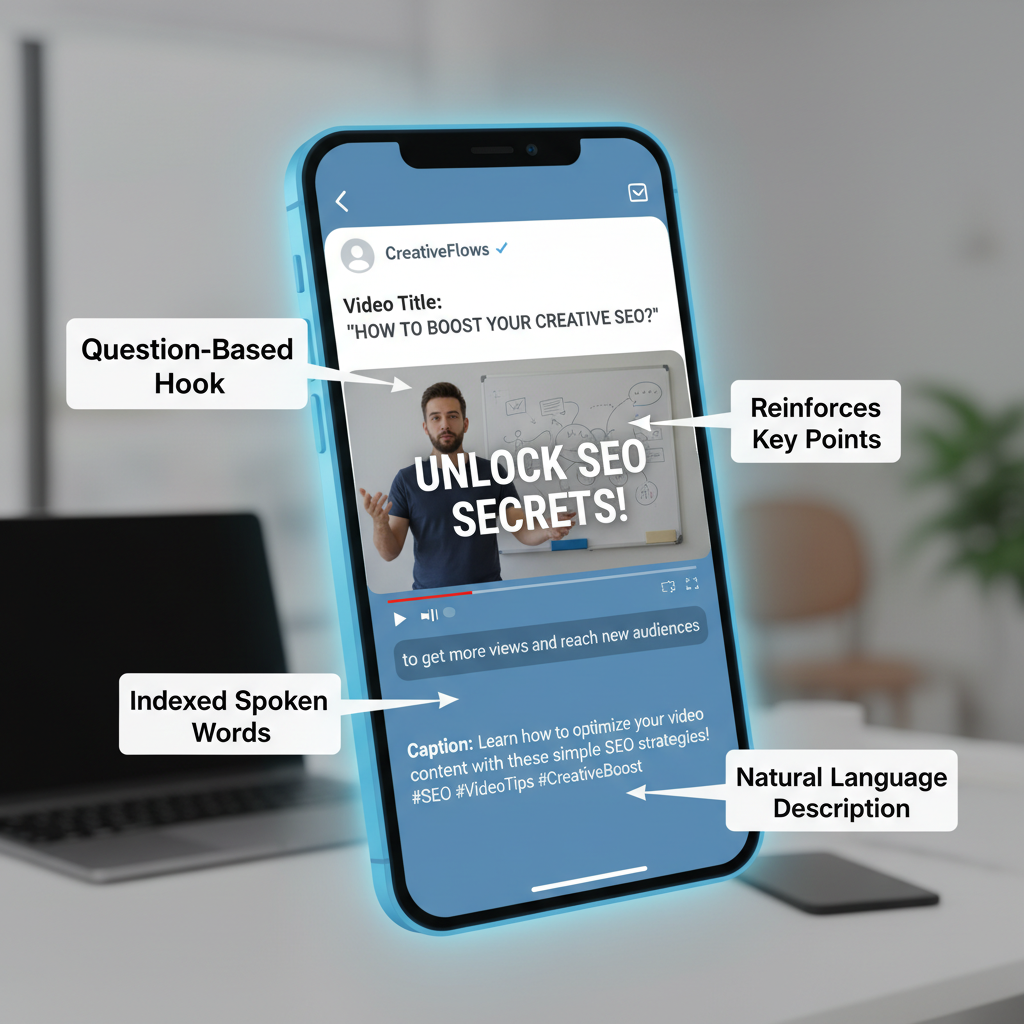
Social media search is conversational. Users type full questions and natural language phrases, not just isolated keywords. For example, a user is more likely to search for "how do I fix my dry skin in winter?" than "dry skin routine." Social platforms are adapting to this behavior by indexing captions, spoken words, and on-screen text to match this conversational intent. Content that mirrors this natural language is more likely to be recognized by the algorithm as a relevant answer and surfaced in search results.
A Step-by-Step Workflow for Social Media SEO
Treating your social content as a searchable asset requires a structured approach. By optimizing for how both users and algorithms discover information, you can significantly increase your visibility.
Step 1: Identify and Prioritize Your Platforms
Not all platforms are equal for search. User search frequency and demographics vary significantly. For B2C brands, prioritize platforms with high daily search activity like Instagram and YouTube. For B2B, focus on YouTube and LinkedIn, keeping in mind that search frequency on LinkedIn is typically lower. Align your platform choice with your target audience's behavior; for example, younger audiences gravitate towards TikTok and Instagram, while older demographics often use YouTube and Facebook.
Step 2: Research User Questions and Search Intent
Build your content strategy around the exact questions your audience is asking. Use research tools to identify long-tail, question-based queries relevant to your niche. This data provides a clear roadmap for creating videos and posts that directly address user needs. Frame your content around these queries to align with the natural language people use when searching for solutions on social media.
Step 3: Create Search-Optimized Content
Your content's framing is crucial for discovery. Every element should be optimized for searchability. Use question-based hooks that grab attention and state the problem you're solving. Show the solution or outcome first to provide immediate value. Your captions should be descriptive and use the same phrasing people type into the search bar. A generic caption like "Transform your skin" is invisible, while a search-optimized caption like "How to fix dry skin in winter: 3 dermatologist-approved tips" directly matches user intent.
Step 4: Structure Content for Algorithmic Indexing
Algorithms need structure to understand and categorize your content. Treat your captions like a blog post, using clear headlines, section breaks, and bullet points to make them skimmable. Add on-screen text to reinforce main points and include subtitles so the platform can index the spoken words in your video. This metadata provides clear signals to the algorithm about your content's topic and relevance, making it easier to match with the right audience and search queries.
Step 5: Leverage On-Platform Features and Transactions
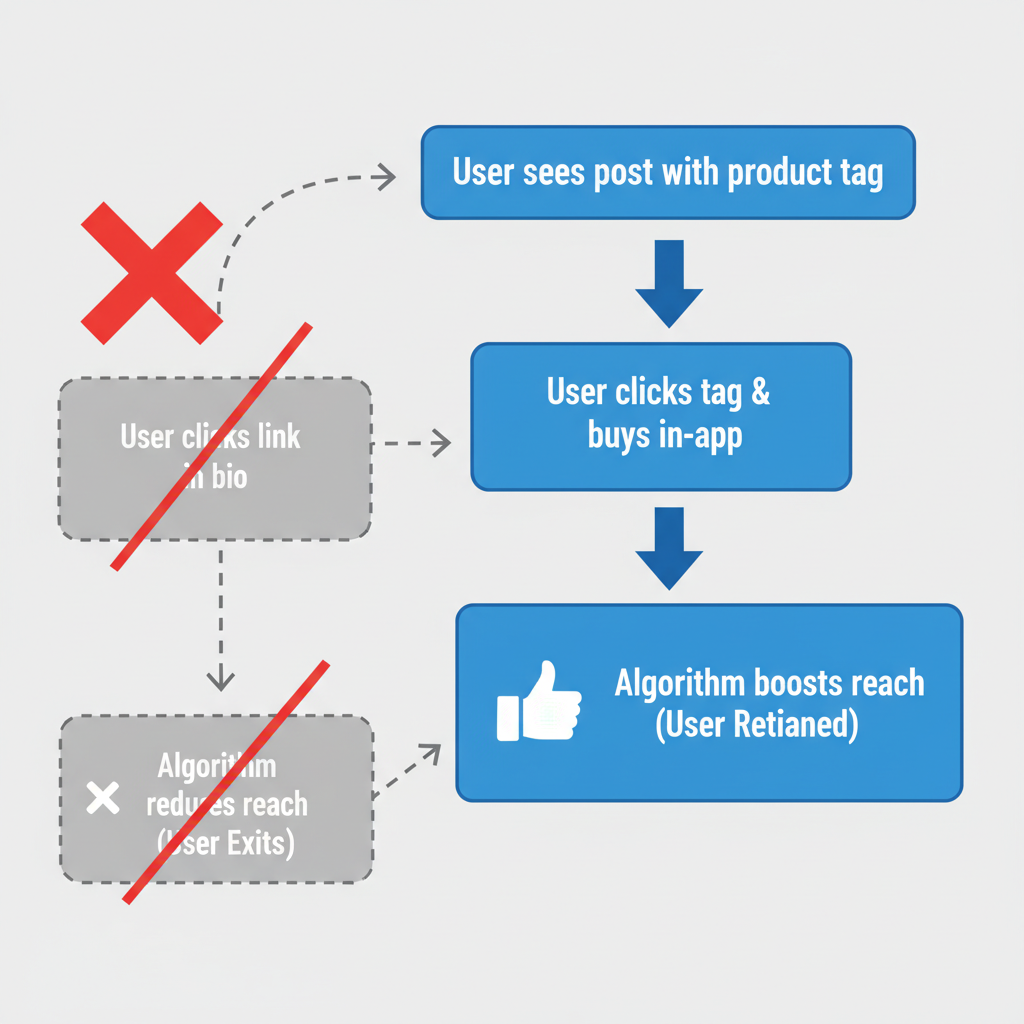
Social platforms reward content that keeps users within their ecosystem. On-platform actions, such as a purchase through a native checkout feature or a lead form submission, are powerful ranking signals. When a user completes an action without leaving the app, the platform sees it as a high-value interaction and is more likely to boost your content's reach. Prioritize using features like Instagram Checkout, TikTok Shop, and native lead forms over sending users to an external website. This aligns your goals with the platform's goal of user retention, leading to greater organic visibility.
Measuring the Impact of Your Social SEO Efforts
Effective measurement for social media SEO goes beyond traditional metrics like views and engagement. It focuses on search discovery and the content's influence across different digital ecosystems, including AI-powered search engines.
Key Metrics Beyond Views and Likes
Focus on metrics that signal search relevance and long-term value. Monitor the percentage of your reach that comes from search within each platform's analytics. A low percentage (e.g., under 10%) indicates your content is not yet optimized for search. Additionally, track shares and saves. These actions tell the algorithm that your content is valuable and worth resurfacing, boosting its visibility in both feeds and search results.

Tracking Your Visibility in AI Search Engines
Your social content also serves as a source for AI systems like ChatGPT and Google's AI Overviews. These systems often pull information and recommendations from social platforms like Reddit and YouTube. By creating helpful, question-based content, you position your brand to be cited as a trusted source in AI-generated answers. Monitor for brand mentions in these systems by asking relevant questions and seeing which brands appear. This indicates that your social content is building authority beyond the platform itself.
Common Mistakes to Avoid in Social Media SEO
Many brands fail to gain traction with social SEO due to common, avoidable errors. Understanding these pitfalls can help you create a more effective strategy.
Using Generic, Unsearchable Captions
Vague or overly clever captions that don't include relevant search terms are invisible to both users and algorithms. Always write descriptive captions that use the natural language and questions your audience is searching for.
Ignoring Natural Language and Full-Question Queries
Focusing only on single keywords is an outdated approach. Users search in full sentences. Content that doesn't match this conversational style will not be ranked for the most valuable, high-intent queries.
Creating Unstructured, Algorithm-Unfriendly Content
A video with poor metadata is difficult for platforms to index. Always structure your content for clarity with on-screen text, subtitles, and well-formatted captions to ensure the algorithm can understand and distribute it effectively.
Prioritizing Off-Platform Links
Constantly directing users to external websites can suppress your reach. Algorithms penalize content that encourages users to leave the platform. Prioritize on-platform features like native shops, lead forms, and DMs to increase engagement and visibility.
Related Tools
Frequently Asked Questions
Why is social media considered a search engine?
Social media platforms have become primary destinations for discovery and research, especially for product reviews and how-to content. Billions of users now turn to platforms like Instagram, TikTok, and YouTube to find answers, treating their search bars just like a traditional search engine.
What is the difference between feed-based discovery and traditional search?
Traditional search is intent-driven, where a user actively seeks an answer. Feed-based discovery is passive; algorithms show users content and solutions in their feed before they've even realized they have a problem, shaping their preferences early in the journey.
How can I find the questions my audience is asking on social media?
You can use SEO tools that analyze search queries across social networks and search engines to find popular questions and long-tail phrases. Additionally, pay attention to the comments on your posts and your competitors' posts to see what questions people are asking.
Why are on-platform transactions important for social media SEO?
When a user makes a purchase or fills out a form without leaving the app, it signals high value to the platform. Because platforms want to retain users, they reward accounts that facilitate these on-platform actions with increased organic reach and visibility.
Does social media content affect my visibility on Google or in AI search?
Yes. AI search engines like ChatGPT and Google's AI Overviews often cite content from social platforms like YouTube and Reddit as sources. Creating authoritative, question-answering content on social media can lead to your brand being mentioned in AI-generated responses.
Key Terms
- Social Media SEO
- The practice of optimizing social media content to be discovered through a platform's native search functions, increasing visibility and reach.
- Feed-Based Discovery
- The process by which users encounter new ideas, products, or solutions passively in their social media feed, curated by an algorithm, rather than through active searching.
- Algorithmic Indexing
- The process by which a social media platform's algorithm analyzes, understands, and categorizes content based on metadata like captions, on-screen text, and spoken words.
- On-Platform Transaction
- Any user action, such as a purchase, lead submission, or direct message, that is completed within the social media app without directing the user to an external website.
- Natural Language Query
- A search query phrased in a conversational, human-like manner, typically as a full question or statement, rather than a short list of keywords.